How to Garden With Children Guide
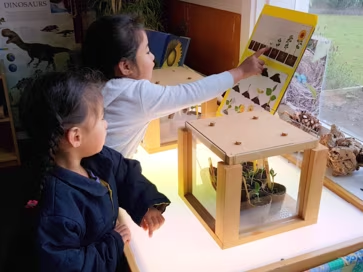
Gardening skills and knowledge are something we can pass on to future generations. A garden is a living classroom where children learn important skills to nurture tiny seeds or plants into flourishing flowers, or fruit or vegetables they can eat. It gives them the opportunity to get outside, enjoy family time together exploring the outdoors and creatures around them.


Five Top Tips for Gardening with Children
- Be in the garden together.
- Remember children are exposed to the same things as you while in the garden but take a different experience from it. Get down on their level and see what they see!
- Be a part of their experience and be guided by them – pay attention to what they are discovering in the garden and see what attracts their attention e.g. watering, bugs, digging etc!
- Create an area in the garden that children can design and define themselves. Let them plant whatever they want in their space – even if it’s not ‘right’.
- Give children their own set of tools and talk to them about garden safety and maintenance such as wearing gloves and cleaning and putting tools away afterwards.


What to Grow
Visit your local gardening centre and have fun exploring and choosing your plant seeds or seedlings together. Here are some child-friendly varieties:
Flowers
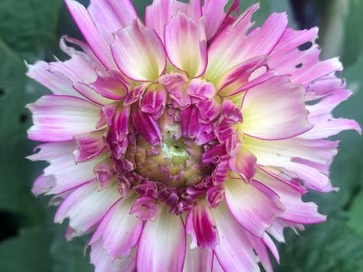
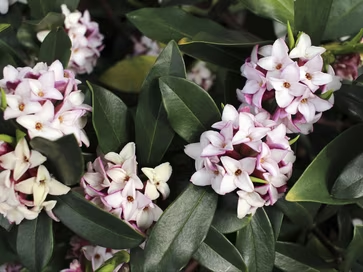
Children love flowers with bright colours and gorgeous scents. Talk to them about different types of flowers they can plant in the garden, such as nectar-producing varieties to attract beneficial insects like bees and other pollinators that play a major part in a garden’s ecosystem.
Flower varieties to try: Sunflowers, Cosmos, Zinnias, Marigolds, swan plants, any bulbs eg Daffodils, Freesias etc.
Grow edible flowers like nasturtiums and pansies - their flowers are both beautiful and edible.
Fruit and Vegetables
Gardening and healthy eating go hand in hand – when children help in the garden they are exposed to different vegetables and fruits and experience many tastes and flavours.
Vegetables
Grow grazing vegetables and fruit that can be eaten raw right from the plant.
- Sow seeds into containers like egg containers, or directly in the garden. Sprouts are simple to grow indoors and there are many seed selections to choose from.
- Purple beans, green beans, scarlet runners, long beans, dwarf beans – children will love the colours and sizes of the different varieties available. Discuss why some beans need support structures to climb up and let them help you secure the plant as it grows.
- Peas are an easy crop for children to grow. Choose from climbing or dwarf varieties or try tasty snow or sugar snap peas which can be eaten pods and all.
- Salads greens are easy and quick to grow. Try mesclun mix, spinach, rocket or kale. Show children how to remove just the outer leaves of buttercrunch, oak leaf or cos lettuce to eat, so the plant keeps growing. Regularly sow seeds or plant seedlings to ensure a continuous supply.
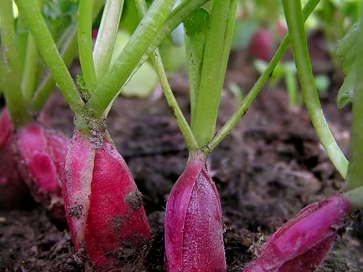
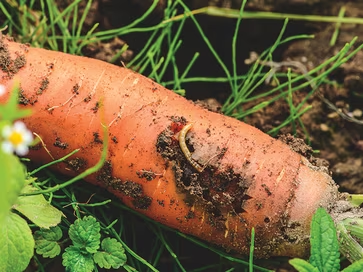
- Children can sow carrots and radishes directly into the garden and will have lots of fun pulling them up come harvest time.
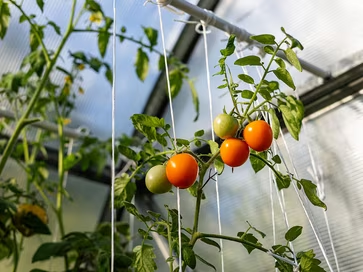
- Cherry tomato varieties such and Tom Thumb or Sweet 100 are ideal for kids. Grow them in Garden Time™ Tomato Mix for sweet juicy fruit that makes a delicious snack or lunchbox treat.
- Digging up potatoes together can become a family tradition. Plant them once the soil warms up, e.g. late October early November (depending on where you live in NZ) for potatoes in time for Christmas.
Build a Bean Tepee:
Make a ‘bean tepee’ which is a great summer hidey spot for children.
- Construct a large tepee (from bamboo or stakes).
- Leave an opening in the front so children can enter.
- Plant green or runner beans around the outside to grow up the structure.
Strawberries
Strawberries are the number one fruit for kids to grow in the garden – and both are so good for them! Plant into Daltons Garden Time Strawberry Mix for best results.


Gardening Jobs for Children
Spending time in the garden together creates wonderful memories for your children with the bonus of learning useful skills along the way.
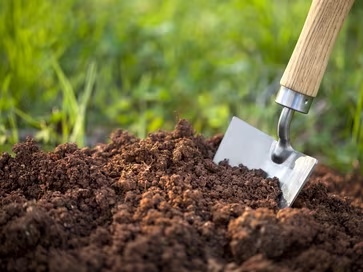
Let children help prepare your garden beds so they can learn why soil preparation is essential before planting. Talk about how mixing in compost and soil mixes like Daltons Compost, Daltons Garden Time Vegetable Mix adds nutrients that help plants thrive. Give them a spade and a special spot to dig!
Seed Sowing: Children love witnessing the fascinating process of germination, from a tiny seed to a flourishing plant. Discuss why certain seeds are sown at different times of the year and the importance of using seed-raising soil that has everything needed for germination.
To sow seeds indoors:
- Fill your container with Daltons Premium Seed Mix. Keep the soil damp, but not soggy.
- Plant seeds at a depth equal to their size—for example, a 1 cm seed goes 1 cm deep.
- For tiny seeds like lettuce or carrots, sprinkle them in a line, cover lightly with seed-raising mix, and water gently.
- Seeds need warmth and moisture to grow.
When sowing directly in the garden, explain why some seeds are grown in different locations, such as taller plants needing more space.
Mulching: Involve children in adding a layer of Daltons Premium Mulch & Feed around plants. Give them a little rake and explain how mulching protects the soil and plants from the elements.
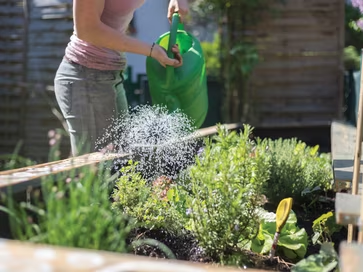
Watering: a fun daily task that lets children observe their plants’ growth. Teach them to water more frequently during hotter months when plants are thirstier and less in winter due to rainfall. A child-sized watering can help conserve water and manage how much is applied.
Weeding: It may not be the most exciting job, but it’s essential for a healthy, disease-free garden. This task is great for older kids who can learn to distinguish between the plants you want to keep and the weeds to remove. Discuss how this helps ensure good plants aren’t competing for nutrients or space.
Composting: Involve kids in composting to teach them about sustainable living, whether collecting kitchen scraps or gathering garden litter like leaves and weeds for the worm farm or compost bin. As compost breaks down, let them help turn it (age permitting) and learn about the creatures living in it, like worms and bugs.
Harvesting: Picking peas, beans, and tomatoes is perfect for little hands. When it’s time for berries or strawberries, keep an eye on your little helpers to ensure some fruit makes it to the bowl! Shelling peas together is a lovely way to bond while chatting about garden adventures.
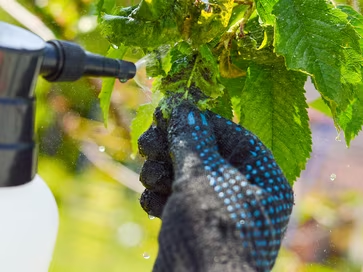
Pest Control: After a snail or slug attack, kids can become your greatest allies in pest control. Regularly monitor the garden together, (children will learn important observation skills), teaching them to look under leaves and on stems for pests as many are camouflaged well.
To deter slugs and snails, let them sprinkle broken shells or bark around key plants. Explain that snails dislike the ‘scratchy’ feel of these materials, helping keep them away.

Growing in Pots
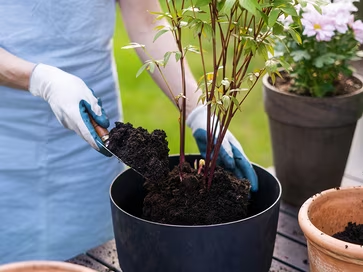
If you have limited space, then growing in pots is ideal for children.
There are also plenty of dwarf varieties of vegetables that grow successfully in pots. Always use a good quality container mix such as Daltons Premium Potting Mix, or Premium Outdoor Container Mix – these have moisture-retaining qualities and deliver a well-balanced slow release of nutrients. It’s always a good idea to replace last season’s worn-out soil with a fresh new soil mix.

Fertilising
Different categories of plants need different nutrients and therefore require specific types of fertilisers.
- Feed flowers with Daltons Premium Rose & Flower Fertiliser, and vegetables with Daltons Premium Vege & Herb Fertiliser 500g.
- For juicy berries and strawberries try Daltons Garden Time Berry Fertiliser or Strawberry Fertiliser.
- Use Daltons Garden Time Tomato Fertiliser for bumper tomato crops.
When to Apply Fertiliser
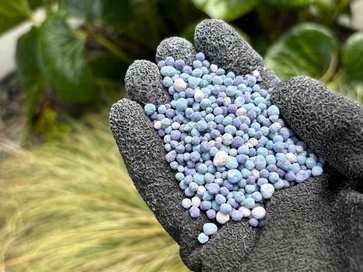
Apply side dressings of fertiliser throughout the growing period (depending on what you are growing) and water it in well. Fertiliser should always be applied by an adult.
Gardening Terms Explained
Replacement planting/or succession planting Planting the same plant again as the previous one comes to an end.
Side dressing Means to apply fertiliser to the soil on or around the sides of the plant.
Mulching Add a top layer of organic matter such as wood chip or pea straw so the soil and plant are protected from the elements. Keeps moisture in during summer months, keeps soil warm during colder months.