How to Choose the Right Growing Mix for Your Plants
Choosing the right growing mix can make a difference to how well your plants grow. But with seed-raising mix, potting mix, garden mix, compost and speciality mixes to choose from, how do you know which is best?
At Daltons, growing media is our speciality and we don’t use any green waste in our products. We manufacture growing mixes for both professional growers and home gardeners throughout New Zealand. The same principle applies whether you are growing one plant at home or thousands commercially: the best growing mix is one that suits the plant, its stage of growth and where it is being grown.
In short: use seed-raising mix for sowing seeds, potting mix for pots and containers, garden mix for garden and raised beds and compost to improve existing soil. For plants with specific needs, like orchids, succulents or acid-loving plants, choose a speciality mix.
Read on for more help on choosing the best product for the job.
What is the difference between growing media and garden soil?
It’s easy to think of growing mixes as just “dirt in a bag”, but they’re quite different from the soil in your garden.
What is soil?
Soil is a naturally occurring blend of sand, silt, clay and organic matter. Depending on where you live, yours could be anything from heavy clay to light sand, with loam (an even mix of both, plus silt) in between.
What is growing media?
Without getting too technical, growing media (the mixes you buy) is made to a specific, controlled recipe. It is a blend of ingredients specifically chosen for their physical and chemical properties, all with the intended plants in mind. Importantly, unlike soil, as growing media is manufactured, it is consistent every batch, throughout the year. In New Zealand, most high-quality mixes are derived from locally sourced aged pine bark, with additional ingredients to optimise mix performance.
Why not use garden soil in pots and beds?
It's essential to use growing media instead of soil to fill pots, raised beds, new gardens, and sow seeds, because garden soil isn't built for these jobs. Taken out of the ground, it compacts, drains poorly and starves roots of air. It can also carry weed seeds, pests and diseases.
A quality growing medium is made to stay light and free-draining, hold the right balance of moisture and air, and supply the nutrients plants need to establish quickly and grow strongly.

Why does the growing mix matter?
Think of a growing mix as your plant's whole support system, not just something for its roots to sit in. How coarse or fine it is controls the balance of moisture, drainage and air around the roots. Its added ingredients supply nutrients, help it take up water evenly and keep the pH right. Different plants and growth stages have different requirements, which is why seedlings, potted plants, orchids and succulents each have their own mix.
What is the best mix for pots and containers?
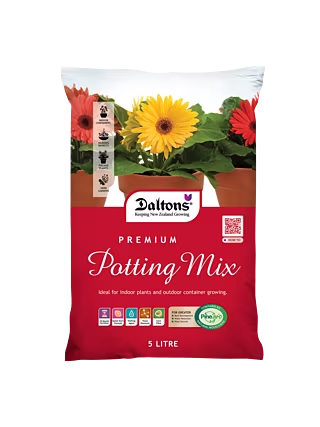
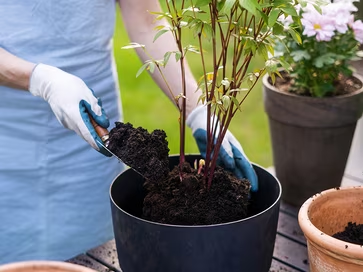
A good quality potting mix is specially formulated for growing in containers. It provides the plant with all the nutrients it needs, retains moisture and maintains air spaces around the roots, while also allowing excess water to drain.
Avoid using ordinary garden mix or compost in pots as it can become compacted in a container, reducing drainage and airflow.
Best choice for general container plants: Daltons Premium Potting Mix.
For plants with more specific needs, such as indoor plants or those that need an acid mix, a speciality mix may be a better option.

What is the best mix for sowing seeds?
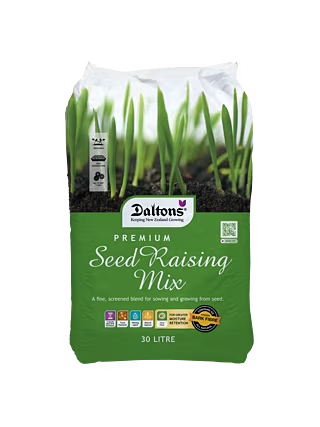
A purpose-made seed-raising mix is the best choice for sowing seeds and raising young seedlings.
Its fine texture keeps seeds in close contact with moisture, while still giving developing roots the drainage and air they need. It also contains a small amount of nutrients, which is just right for early plant growth.
Why not use potting mix for seeds?
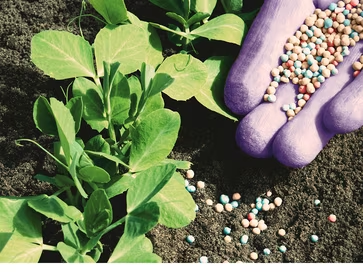
Potting and garden mixes usually contain much more fertiliser. This is perfect for established plants, but too strong for germinating seeds and tender young roots, and it can burn or stunt them, which is why choosing a specific seed mix is essential.
Best choice: Daltons Premium Seed Raising Mix.
Once seedlings have a few sets of true leaves and be hardened off, they can be moved into potting mix or into a prepared garden
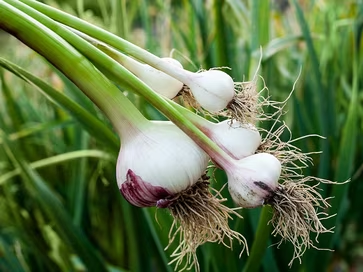
Image: savs_organic_produce

What is the best mix for garden beds and raised beds?
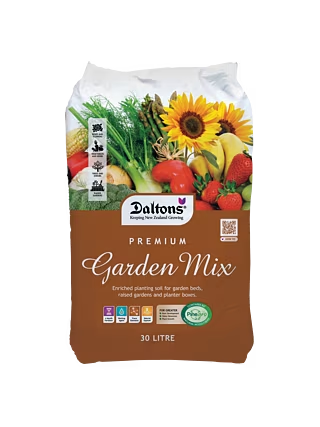
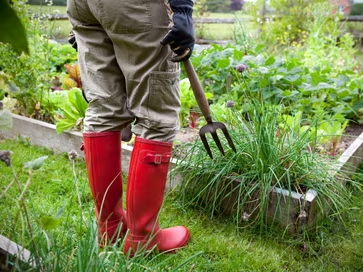
For general planting and raised beds, use a garden mix designed to create a well-structured growing area around plant roots.
Daltons Premium Garden Mix can be used for general planting, raised gardens and large planters.
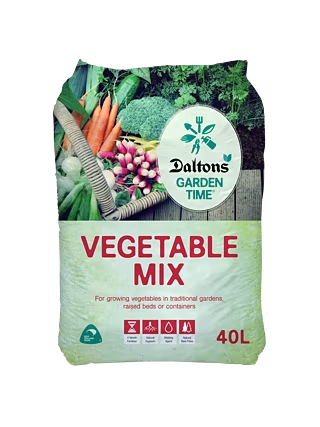
For vegetables and herbs, a purpose-made vegetable mix provides a growing medium formulated specifically for edible crops.
Best choices: Daltons Premium Garden Mix for general garden planting, or Garden Time Vegetable Mix for vegetables and herbs.
When is a speciality growing mix best?
Some plants have more specific needs to grow well and to their full potential. For instance, acid-loving plants prefer a lower pH, cacti and succulents need faster drainage, and orchids require an open mix with plenty of air around their roots.
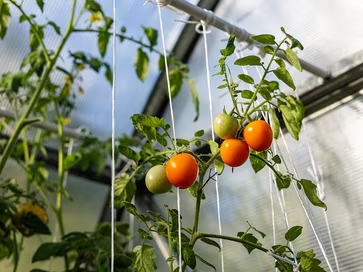
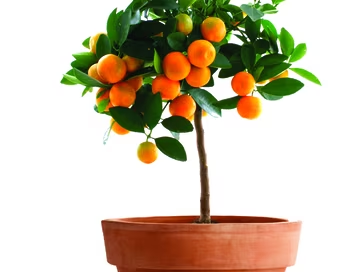
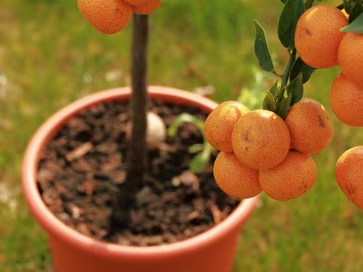
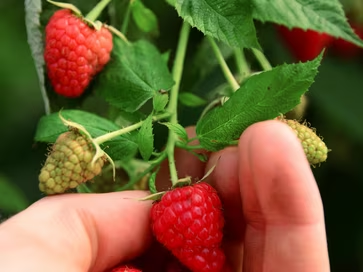
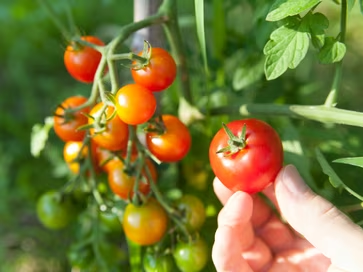
Fruiting crops such as tomatoes, strawberries and citrus can also benefit from mixes formulated for their particular growing and nutrient requirements.

What is compost best used for?
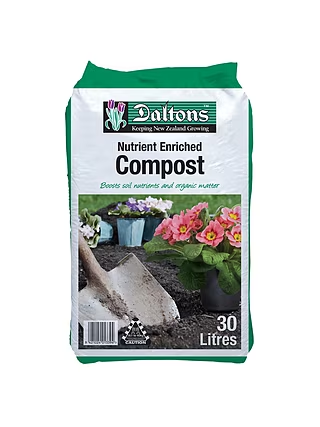
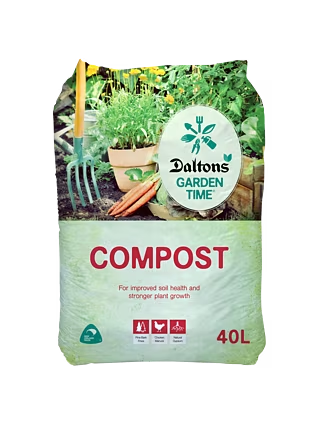
Compost is a soil improver rather than a stand-alone growing medium.
Adding compost increases organic matter and helps improve soil structure and moisture management. Mix it through existing garden soil when preparing beds or use it as a top dressing or mulch where appropriate.
If you are filling a pot, planter or raised bed from scratch, use a growing mix suited to that job rather than using compost.
How does compost help clay and sandy soils?
Digging compost in adds organic matter, which helps all soil types hold the right balance of water and air. In heavy clay soils, the gypsum in compost helps to open up the dense, sticky ground, which creates gaps for water to drain and roots to grow through.
In sandy soils, the organic matter works the other way. It acts like a sponge, holding onto moisture and nutrients that would otherwise drain straight through.
Quick Guide: What Is the Best Growing Mix to Use
What are you growing?
Acid-loving plants
Best type of mix
Acid mix
Acid-loving plants
e.g. Azaleas, Camellias, Daphne, Ericas, Heathers, Pieris, Gardenias, Hydrangeas, Rhododendrons, Blueberries
Provides the lower pH preferred by acid-loving plants.
Daltons option
Bulbs
Best type of mix
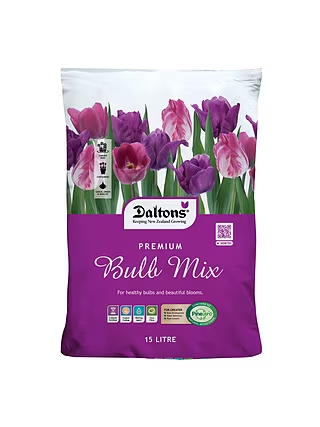
Bulb mix
Bulbs
Free-draining mix formulated for growing bulbs in containers and garden beds.
Daltons option
Cacti and succulents
Best type of mix
Cacti & succulent mix
Cacti and succulents
Open, free-draining mix suited to plants that dislike wet roots.
Daltons option
Cuttings and Propagation
Best type of mix
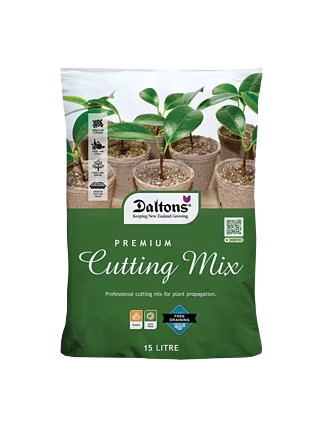
Cutting Mix
Cuttings and Propagation
Free-draining blend designed to help cuttings root quickly.
Daltons option
Fruit trees and citrus
Best type of mix
Fruit & citrus mix
Fruit trees and citrus
Formulated for the growing and nutrient needs of fruit and citrus.
Daltons option
General garden planting and raised beds
Best type of mix
Garden mix
General garden planting and raised beds
Suitable for planting, raised gardens, large planters and improving soil.
Daltons option
General plants in pots
Best type of mix
Potting mix
General plants in pots
Balances moisture, drainage, airflow and nutrition for container plants.
Daltons option
Improving existing soil
Best type of mix
Compost
Improving existing soil
Adds organic matter and helps improve soil structure and moisture management.
Daltons option
Indoor plants
Best type of mix
Indoor plant mix
Indoor plants
Formulated for the growing and watering conditions of indoor plants.
Daltons option
Large outdoor pots, hanging baskets and window boxes
Best type of mix
Outdoor container mix
Large outdoor pots, hanging baskets and window boxes
Designed for outdoor containers where moisture management is especially important.
Orchids
Best type of mix
Orchid mix
Orchids
Provides the open structure and airflow orchid roots need.
Daltons option
Seeds and young seedlings
Best type of mix
Seed-raising mix
Seeds and young seedlings
Fine-textured mix suited to germination and developing roots.
Strawberries
Best type of mix
Strawberry mix
Strawberries
Formulated for strawberries in pots, hanging baskets and garden beds.
Tomatoes
Best type of mix
Tomato mix
Tomatoes
Formulated specifically for tomatoes in containers, raised beds and garden beds.
Daltons option
Vegetables and herbs
Best type of mix
Vegetable mix
Vegetables and herbs
Formulated for vegetables and herbs in gardens, raised beds and containers.
Daltons option
Garden Time Vegetable Mix Daltons Ready to Grow Vegetable Mix
Gardening Terms Explained
The amount of a growing mix that is still filled with air after it has been soaked and left to drain. Roots need oxygen as well as water, so a mix with good air-filled porosity drains well and won't waterlog.
A mix that allows excess water to drain away readily rather than remaining saturated around the roots.
The material or blend of materials that surround plant roots. It is formulated to provide air, water and nutrients and does not necessarily contain soil.
A soil with roughly equal parts sand, silt and clay, usually easy to work with and rich in organic matter.
Natural material that comes from living things, such as bark and compost. It helps soil hold moisture and nutrients, improves its structure and feeds the microbial life in it.
The size of the materials within a growing mix. Particle size influences how much air and water the mix holds and how freely it drains.
A measure of how acidic or alkaline soil or growing media is. Different plants prefer different pH ranges.
The area around a plant's roots where they take up water, oxygen and nutrients.

Handle growing mixes safely
When handling potting mix, seed-raising mix and compost, wear gloves and a well-fitting mask, open bags away from your face and dampen dry mix to help reduce dust. Always wash your hands thoroughly afterwards.