September Gardening Tasks
Spring brings longer days, warmer temperatures and plenty of fresh growth around the garden. The weather can still be unpredictable though, with cold snaps, wet soil and late frosts possible in many parts of New Zealand.
This month is about getting ready for the main planting season ahead. Enrich and prepare soil for spring planting, step up seed sowing, start kūmara slips, prepare tired lawn areas and give established fruit trees their first spring feed.
Enrich Soil Before Spring Planting
The success of any garden begins in the soil. With the main spring planting season approaching, enrich and prepare garden soil now to give your new plants the best start.
Where possible, aim to prepare growing areas around two to four weeks before planting so the soil has time to settle and nutrients can begin becoming available to plants.
- If the soil is saturated or very wet, wait until conditions improve before digging or working it. Working waterlogged soil can damage soil structure and cause compaction.
- Clear weeds, finished crops and other unwanted plant material before preparing the area.
- In existing garden beds, mix Daltons Garden Time™ Compost through the soil to add organic matter and help improve soil structure.
- For an added nutrient boost ahead of planting, mix through Daltons Garden Time™ Chicken and Sheep Pellets according to the pack directions.
- Top up raised beds with Daltons Premium Garden Mix or Daltons Garden Time™ Vegetable Mix.
- Refresh pots and containers with Daltons Premium Potting Mix where plants need fresh growing media or more room for the season ahead.
Adding organic matter and fresh growing mix where needed can improve soil structure, moisture retention and drainage, while helping create better growing conditions for healthy root development.
Sow, Plant and Keep Veggies Coming
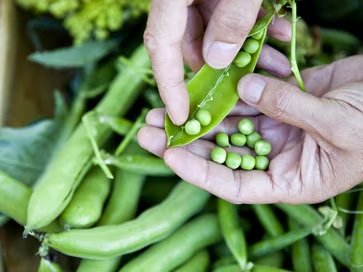
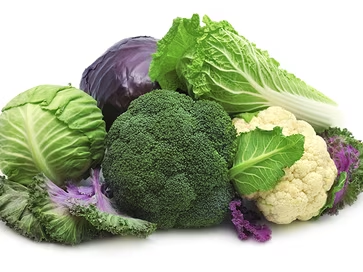
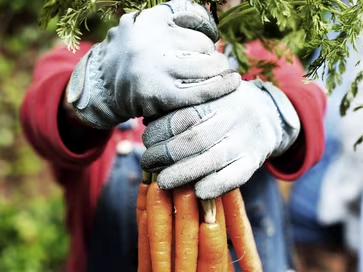
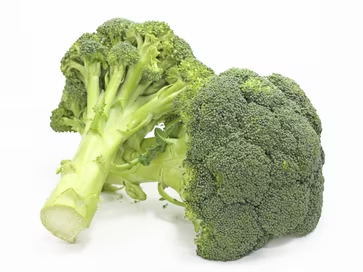
HARVEST broccoli, Brussels sprouts, cabbage, carrots, cauliflower, celery, leeks, lettuce, parsnips, radishes, rhubarb, silverbeet, spinach and turnips
SOW OR PLANT OUTDOORS beetroot, cabbage, carrots, cauliflower, lettuce, onions, parsnips, peas, radishes, silverbeet and spinach, where local conditions suit.
PLAN Take some time and map out your summer vegetable garden. Include crop rotation where possible and allow enough space between plants for good light and airflow.
It is still too early in many parts of New Zealand to plant traditional summer vegetables such as tomatoes, cucumbers or beans outdoors. Use September to get seeds underway and wait until soils are warmer and frost risk has passed before planting tender crops outside.
Refresh the Herb Garden
Herb gardens will be looking a little worse for wear after winter. Freshen up herb beds and containers with fresh mix and new plants as spring growth picks up.
PLANT: Parsley, chives, thyme, oregano, mint and sage can be planted towards the end of the month where conditions suit.
• Choose a sunny position with free-draining soil or mix.
• Trim older woody herbs such as rosemary to encourage fresh spring growth.
• Keep mint contained in a pot if you want to stop it spreading through the garden.
• Hold off planting basil outdoors until conditions are reliably warmer.


Step Up Spring Seed Sowing
Summer vegetable seed sowing starts to gather pace this month. Keep using a warm, bright and protected growing space, and adjust timing for your region.
- Warmer areas: Tomatoes, capsicums, courgettes and cucumbers can be sown into seed trays from September.
- Cooler areas: Tomatoes can be started from late September to early October. Courgettes and cucumbers can be sown from late September, while capsicums are better left until October.
- Eggplants: Wait until October to sow eggplants in both warmer and cooler regions.
- Already underway? If you started tomatoes, chillies or capsicums indoors during August, keep growing them on somewhere warm, bright and protected.
Seed Sowing Success
- Fill clean seed trays or pots with Daltons Premium Seed Raising Mix.
- Check the seed packet for the recommended sowing depth and germination requirements.
- Keep the mix evenly moist but not overly wet and provide warmth while seeds germinate.
- Once seedlings emerge, give them plenty of light to encourage strong, compact growth.
- Keep tender seedlings protected. Before planting outdoors, harden them off gradually over 10-14 days by placing them outside in a warm, sheltered spot for increasing periods each day and bringing them back in at night.
August seedlings may also be ready to pot on. Depending on what you are growing, seedlings can usually be moved from seed trays into small pots after around 3–6 weeks. Use Daltons Premium Potting Mix once they are ready for this next stage.
Top tip: Don’t rush summer seedlings outdoors. Tomatoes are generally planted outside from mid-to-late October in warmer areas and from early November in cooler regions once conditions suit.
Sow and Plant Spring Flowers

Keep flower seedlings moving too. Some summer flowers can be sown indoors now, while hardy seedlings can begin going into the garden where conditions suit.
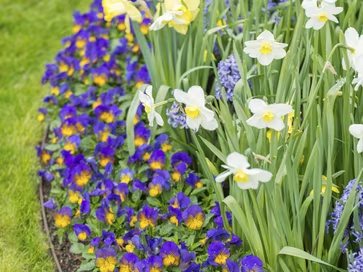
SOW INDOORS: ageratum, asters, geums, cosmos, Livingstone daisies, lobelia, marigolds, petunias, portulacas, salvias and zinnias.
PLANT OUT: alyssum, calendula, cornflowers, hollyhocks, lobelia, nemesia, snapdragons, sweet peas, strawflowers and phlox, where conditions are suitable.
Keep tender seedlings protected from late frosts and cold nights. Continue using Daltons Premium Seed Mix for seed sowing and check individual seed packets for sowing depth, temperature and planting requirements.
Add Edible Flowers

Edible flowers are a strong spring gardening trend and they can earn their place in the garden in more ways than one.
Borage and nasturtiums can be sown from September once conditions are warm enough, while calendula and cornflowers are useful choices for adding colour around vegetable beds.
These flowers can help attract bees and other pollinators, and several can also be used in the kitchen. Important: If you plan to eat the flowers, make sure they are correctly identified and have not been treated with sprays unsuitable for edible crops.
Learn more: Growing Edible Flowers for Salads & Dishes
Learn more: Encouraging Bees into the Garden
Watch New Rose Growth

- Bush and climbing roses will be pushing out fresh spring growth, so check regularly for aphids and take action early if they appear.
- Tie in and train new shoots on climbing roses as they develop.
- Remove diseased leaves or debris from around plants rather than leaving it at the base.
- Hold the main rose fertiliser application until mid-to-late October.

Start Kūmara Slips for Summer
Get kūmara slips underway now so they have time to develop before planting. Kūmara prefer warm soil and are generally planted from October through to December once the risk of frost has passed.
Place a healthy kūmara in a tray of moist, but not wet, Daltons Propagating Sand No. 2 or Daltons No. 1 Washed Sand and keep it warm.
Keep the sand moist. Shoots should begin to appear within 2–4 weeks.
When shoots are approximately 15cm long, gently break them off the mother kūmara.
Place shoots in a glass of water for 5–7 days until roots form.
Wait until soil has warmed and frost risk has passed before planting outside.
Kūmara slips may also be available from garden centres from September or early October.
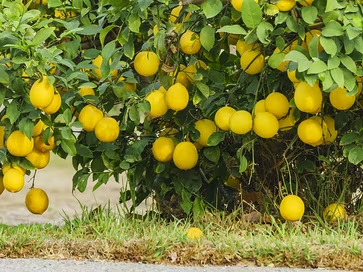
Feed Fruit Trees for Spring Grow
As fruit trees move into active spring growth, give them their first seasonal feed.
Apply Daltons Premium Fruit & Citrus Fertiliser according to the pack directions, spreading it around the drip line rather than against the trunk, then water in well.
Check new leaves, buds and flowers regularly for early signs of pests or disease.
Apple trees: If codling moth has been a problem in previous seasons, hang a pheromone trap from September. Traps can remain in place through to March, when codling moth is most active. Learn more: Treating Codling Moths in Apple Trees
If mulch is already in place from winter, check it has not built up against the trunk and if low, add another application.
Get Lawns Ready for Spring Repair
As soil begins to warm, identify bare, thin or damaged lawn areas and get them ready for repair. In cooler areas, wait until late September or early October before sowing grass seed.
- Remove dead grass and loosen compacted soil in bare areas.
- Level or top up low areas with Daltons Premium Lawn Soil or Garden Time™ Lawn Soil.
- For small patches, Daltons Premium Lawn Patching Gold is an easy all-in-one option once conditions are warm enough.
- Choose grass seed suited to your site and existing lawn, and keep newly sown areas consistently moist while they establish.
Hold off fertilising established lawns until October.

Quick Answers
What should I do in the garden in September in New Zealand?
In September, focus on preparing vegetable beds for summer planting, stepping up seed sowing, starting kūmara slips, preparing lawns for spring repair, refreshing herb gardens, feeding fruit trees and keeping an eye on fresh rose growth.
What vegetables can I sow or plant in September in New Zealand?
Depending on your region and local conditions, beetroot, cabbage, carrots, cauliflower, lettuce, onions, parsnips, peas, radishes, silverbeet and spinach can be sown or planted outdoors during September.
What summer vegetable seeds can I sow in September?
In warmer areas, tomatoes, capsicums, courgettes and cucumbers can be sown in September. In cooler areas, tomatoes are generally started from late September to early October, courgettes and cucumbers from late September, and capsicums from October.
Can I plant tomatoes outside in September?
For most of New Zealand, September is still too early to plant tomatoes outdoors. Keep seedlings protected until the soil has warmed and frost risk has passed.
What flower seeds can I sow in September?
Ageratum, asters, geums, cosmos, Livingstone daisies, lobelia, marigolds, petunias, portulacas, salvias and zinnias can be started indoors during September.
What flower seedlings can I plant out in September?
Where conditions suit, hardy seedlings including alyssum, calendula, cornflowers, hollyhocks, lobelia, nemesia, snapdragons, sweet peas, strawflowers and phlox can begin going into the garden.
When should I start kūmara in New Zealand?
Start kūmara slips during September so they are ready for the warmer planting window. Kūmara are generally planted outdoors from October through to December once the soil is warm and frost risk has passed.
How should I prepare soil for spring planting?
Where possible, prepare garden soil around two to four weeks before planting. Clear weeds and finished crops, improve existing soil with organic matter, and top up raised beds with a suitable growing mix. Avoid working soil while it is saturated, as this can damage soil structure and cause compaction.
Can I repair my lawn in September?
You can begin preparing bare or damaged lawn areas during September. In cooler regions, wait until late September or early October for sowing grass seed once the soil has warmed.
Should I fertilise my lawn in September?
For established lawns, hold the main fertiliser application until October. September is better used for preparing bare or damaged areas.
What herbs can I plant in September?
Parsley, chives, thyme, oregano, mint and sage can be planted towards the end of September where conditions suit.
When should I fertilise fruit trees in spring?
Begin feeding established fruit trees as spring growth gets underway. Follow the application directions on your chosen fruit and citrus fertiliser.