How to Use Compost Guide
Compost - The Secret to a Thriving Garden
Compost is a simple, natural way to enrich your soil, setting the stage for strong, healthy plants. Remember: take care of the soil, and the soil will take care of your plants. Healthy Soil, Healthy Plants!
In this guide, we’ll show you how to use compost effectively in your garden - whether you’re prepping veggie beds, planting trees, or boosting established plants, these tips will help you make the most of compost’s benefits.
Compost needs to be incorporated into existing soil or used as a top dressing around. Do not plant directly into 100% compost.

What is Compost?
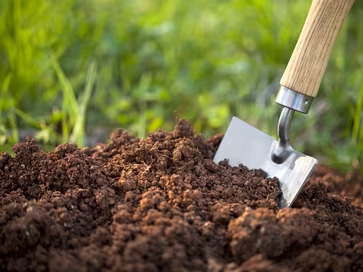
Compost is the final product of decomposed organic materials, whether from plant matter like leaves and grass clippings or animal sources such as manure.
This rich, dark material is packed with nutrients that improve soil structure, enhance moisture retention, and support the growth of healthy, vibrant plants.
Compost is nature’s way of recycling, turning organic material into valuable nourishment for your garden!

Why is Compost Important?
The benefits of compost are numerous: it enhances soil structure, enriches it with essential nutrients, and provides nourishment for vital soil fauna, including microorganisms and earthworms. These natural helpers break down organic matter, improve soil aeration, and boost drainage, leading to healthier root systems and more resilient plants.
Many backyard soils in New Zealand have limited topsoil and are often depleted of essential organic matter like compost. Common soil types include heavy clay, which can be dense and difficult to work with, or overly free-draining sandy soils found in volcanic or coastal areas. Adding compost can improve both soil types.

How Compost Improves Soil
Compost acts like a sponge, retaining moisture in the soil while maintaining vital air spaces. Soils low in organic matter often struggle; water either runs off the surface or drains away too quickly, depriving plants of the hydration they need.
Compost helps to distribute water evenly ensuring plants receive consistent hydration, improves soil structure by opening up compacted clay soils and binding loose, sandy soils.
Heavy/Clay Soils
Clay soils often become waterlogged in winter, and dry and cracked in summer, making them challenging for gardening. Organic matter like compost improves drainage, balances moisture, and makes the soil easier to work with, creating a friendlier environment for your plants. Learn more about improving Clay Soils here.
Sandy and Volcanic Soils
These soils drain quickly, often losing water and nutrients before plants can absorb them. Compost enhances the soil’s ability to hold water and retain nutrients, ensuring your plants have the resources they need to thrive.
By incorporating compost, you’re not just enriching your soil—you’re building a resilient, nutrient-rich foundation that supports healthy, flourishing plants all year round.

When to Apply Compost
There’s no wrong time to add compost to your garden. Adding it seasonally is a good idea to keep your soil healthy by boosting its structure, nutrients, and moisture retention.
Compost needs to be incorporated into existing soil or used as a top dressing around. Do not plant directly into 100% compost.
- In veggie gardens, it is best practice to "dig in" (mix well with existing soil) compost into the existing soil to a depth of 10-12 cm before planting.
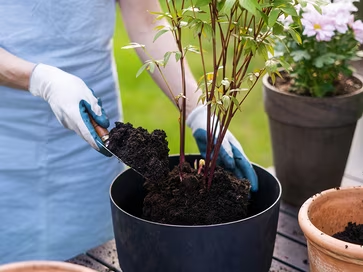
- For new trees and shrubs, blend compost with the existing soil at planting time. Be especially generous where soils are particularly heavy.
- For all established plants, compost can be applied around the base during the growing season.
- Compost is versatile and can also be used as mulch throughout the garden. Apply it to a depth of 5cm.

How Much Compost to Use
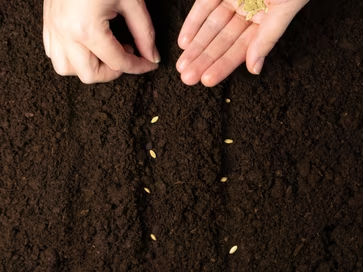
It's almost impossible to overdo compost, but it must be well-mixed into the existing soil rather than used alone for planting as it is too rich for seedlings.
It naturally breaks down and blends into your garden, so regular applications are beneficial throughout the growing season, especially in new gardens.

Compost vs. Potting Mix
Compost is fantastic for garden beds but is not suitable as a potting mix for containers.
Modern potting mixes are designed to be free-draining, whereas compost holds water, and its physical properties means it is better suited for in-ground use.