How to Grow Summer Vegetables
There’s plenty to grow for summer – from salad greens and lettuces to aubergines, tomatoes, beans, capsicum, courgettes, cucumbers and more.
Whether you’ve got a few pots on the deck, raised beds or a full veggie patch, here’s how to keep your summer vegetables growing and producing well.
Choosing Summer Vegetables to Grow
Choose vegetables and varieties that suit your local climate and growing conditions. What grows well in warmer parts of New Zealand may need a little more time or protection in cooler regions. See our calendar below.
Veggies for Pots and Containers
You can grow plenty of summer vegetables in pots, especially with today’s compact varieties.
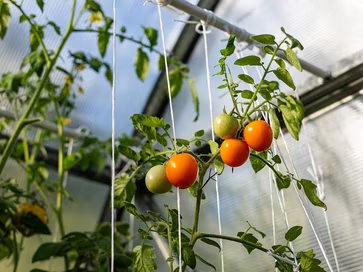
Try Asian greens - bok choy, choy sum and wong bok, leafy greens like spinach, kale, rocket, lettuces like Tom Thumb or Little Gem, dwarf beans or cherry tomatoes, capsicum, chillies, courgettes, and cucumbers.

What to Plant and When
Use our Edible Garden Calendar for month-by-month sowing and planting times for 30 vegetables and 10 fruits across warm and cool parts of New Zealand.
- For many parts of New Zealand, summer vegetables can be planted from mid to late October once the soil has warmed and frost risk has eased.
- Cooler or frost-prone areas may need to wait until late October or early November.
- To get a head start, sow summer vegetable seeds indoors or under cover from September, then transplant seedlings once conditions are warm enough. See Daltons Growing from Seed Guide.
- Alteratively buy seedlings from your local garden centre and plant them straight into the garden.
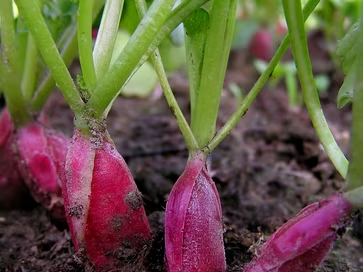
Top Tip: Sow quick-growing crops like lettuce and radish every few weeks to spread your harvest over summer.
Ideal Planting Conditions
Healthy soil or mix is the secret to a productive vegetable garden or container.
New gardens
- Choose a north-facing spot that’s sheltered from strong winds, with deep, loose and free-draining.
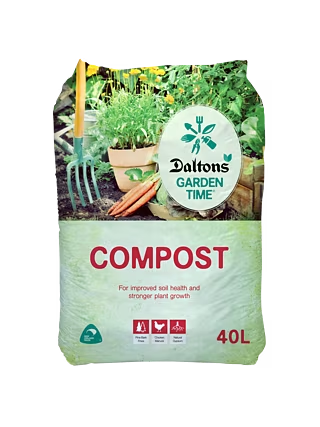
- Prepare your soil about one to two weeks before planting, working in Daltons Garden Time™ Compostt and Daltons Premium Garden Mix to add nutrients and improve soil structure.
Existing gardens
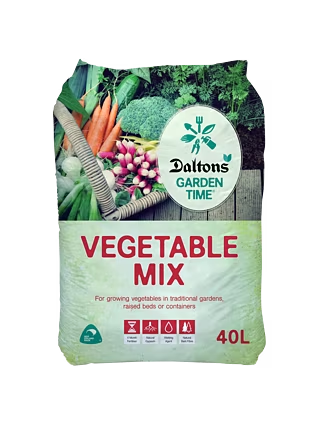
- Give beds a refresh before replanting. Lighly turn over the soil and work through fresh Daltons Garden Time™ Compost and Garden Time™ Vegetable Mix.
Pots & containers
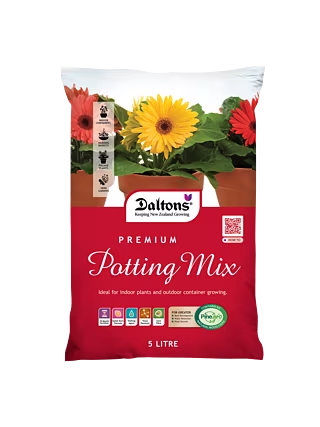
- Choose a sunny spot sheltered from strong winds and use Daltons Premium Potting Mix or Garden Time™ Vegetable Mix. Place them in a sunny location. See Planting in Pots or Containers below for more.


Planting in the Garden
- Add a generous layer of Daltons Garden Time™ Compost and dig it through to a depth of 1–1½ spade lengths.
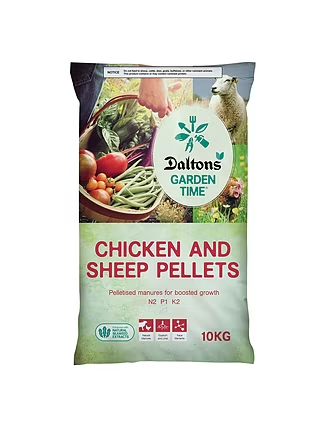
- For an extra boost, mix in Garden Time™ Chicken & Sheep Pellets for a safe, natural nutrient source.
- Allow enough space between plants for good airflow and easy maintenance.
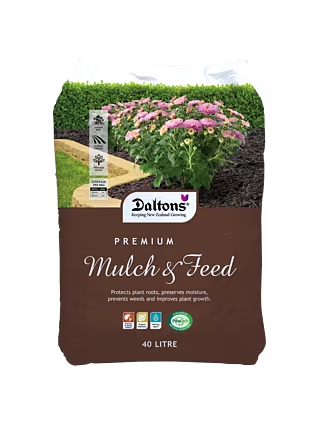
- Mulch with Daltons Premium Mulch & Grow and water in well.
Top Tip: Put in stakes or supports before planting so you don’t disturb the roots later.
Planting in Pots or Containers
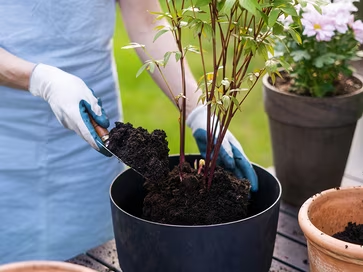
Potting up new containers
- Choose a container large enough for the plants you are growing for example, courgettes need a larger pot, and make sure it has good drainage holes.
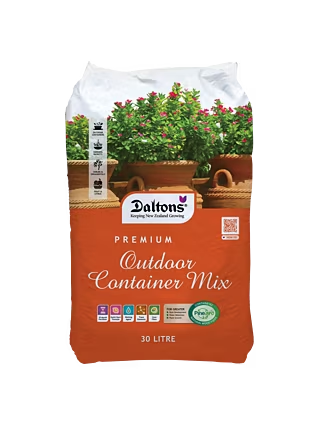
- Fill with Daltons Premium Potting Mix or Premium Outdoor Container Mix.
- Plant seedlings at the same depth as in the punnet, firm gently, and water well.
- Position in a sunny spot shelterd from strong winds.
- Keep the mix evenly moist; mulch the surface to help hold moisture.
- If planting early, move pots to a sheltered spot overnight when frost is possible.
Refreshing existing pots
- Remove spent plants and tip out old mix; shake off and discard old roots.
- Top up with fresh Daltons Premium Potting Mix or Premium Outdoor Container Mix and blend through the remaining mix.
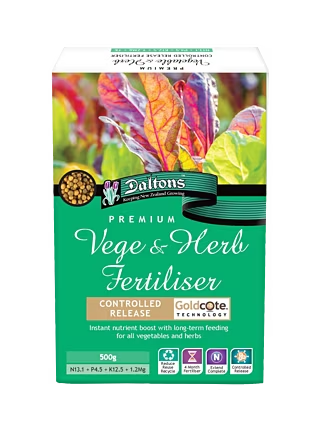
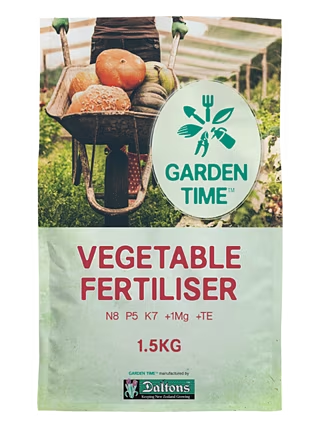
- If reusing the existing mix, recharge it with Daltons Premium Vege & Herb Fertiliser or Garden Time™ Vegetable Fertiliser.
- Replant, water in well, and return to a sunny, sheltered position.
Watering
Summer vegetables need regular watering, especially during hot, dry weather and once plants start flowering and producing
- Give plants a good soak at the base so water reaches the root zone rather than just wetting the surface
- Irregular watering can stress plants and cause them to bolt (go to seed). Keep soil evenly moist and increase watering during hot, dry spells.
Pots and containers dry out faster, so check them more often
- Mulch generously with Daltons Premium Mulch & Grow to retain soil moisture.
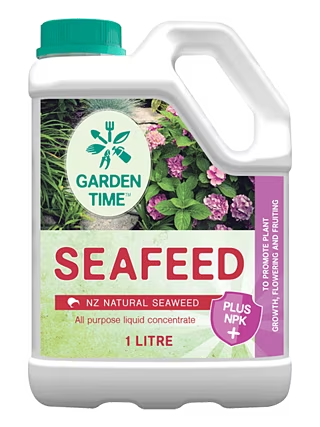
- To help plants handle heat stress, water with Daltons Garden Time™ Seafeed NPK every 7 days.
Fertilising
- Feed summer vegetables with Daltons Garden Time™ Vegetable Fertiliser at planting or as a mid-season feed. It does depend on crop type and watering frequency – some vegetables are heavy feeders and may need more.
- Always water fertiliser in well.
Harvesting
- Pick veggies little and often. Regular harvesting keeps plants producing, especially beans, courgettes, cucumbers, and lettuce.
- Harvest in the cool of the morning before the day heats up.
- Always use clean, sharp scissors or secateurs to avoid damaging plants or spreading disease.
- Enjoy vegetables fresh for the best flavour, and freeze, preserve, or share any surplus.


General Care and Maintenance
- Space plants well for good airflow, easier weeding, and staking.
- Keep your garden tidy by removing dead leaves and weeding regularly.
- Watch for signs of stress such as wilting or yellow leaves, often caused by inconsistent watering or nutrient deficiency.
- Support taller or heavier plants, like tomatoes or courgettes as they grow.
- Rotate your crops each season to prevent disease build-up and maintain soil health. Learn how in our Crop Rotation Guide.
Pests and Diseases
Warm summer weather can also bring more pests and diseases, so keep an eye on plants and deal with problems early.
Powdery Mildew often shows up in late summer on courgettes, beans, pumpkins, and cucumbers. Remove affected leave - don’t compost them, as that spreads spores. Help prevent Powdery Mildew with a copper-based spray applied before mildew appears.
Slugs and snails can demolish seedlings overnight. Protect plants with pet- and child-safe pellets, beer traps, or barriers such as crushed shell, bark, or sawdust.
White butterfly / green caterpillar watch for small white butterflies fluttering around the garden. Check the undersides of leaves for eggs and caterpillars and remove them by hand. Fine insect mesh can also help protect young plants.
Companion planting: Marigolds and calendulas have a strong scent that helps deter pests.
Quick Answers
For many parts of New Zealand, summer vegetables can be planted from mid to late October once the soil has warmed and frost risk has eased. Cooler or frost-prone areas may need to wait until late October or early November.
Tomatoes, beans, capsicum, courgettes, cucumbers, sweetcorn, lettuce and other salad greens are popular summer crops. Use our Edible Garden Calendar to check what to sow and plant each month in warm and cool parts of New Zealand.
Yes. Plenty of summer vegetables grow well in pots, including leafy greens, dwarf beans, cherry tomatoes, capsicum and chillies. Choose a container with good drainage and enough room for the crop you’re growing.
Water often enough to keep the soil evenly moist, checking more frequently during hot, dry weather. Pots usually dry out faster than garden beds and may need watering more often over summer.