May Gardening Tasks
With cooler days settling in and everyday costs still front of mind, many gardeners are looking for practical crops they can pick fresh from home and ways to make the garden go further.
If you’re new to gardening, you don’t need a big garden to grow something useful. A few pots, a raised bed or one sunny corner can still produce garlic, leafy greens, herbs, winter vegetables and a little winter colour.
Strawberry Planting
May and June are the best times to plant strawberries, giving plants time to settle in before spring growth begins.
- Choose a sunny, free-draining position and improve the soil with Garden Time Strawberry Mix and/or Daltons Garden Time Compost before planting.
- If your soil gets very wet in winter, plant strawberries in mounded rows, raised beds or containers with Strawberry Mix.
- If you started strawberry runners in April, check they have formed strong roots before moving them into their final spot.
Read more planting tips and varieties to choose from in our Strawberry Guide.
In the Vegetable Garden
Harvest
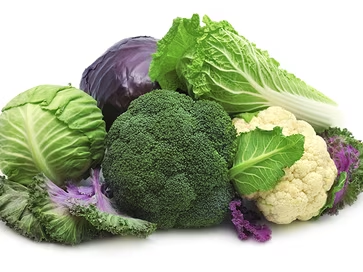
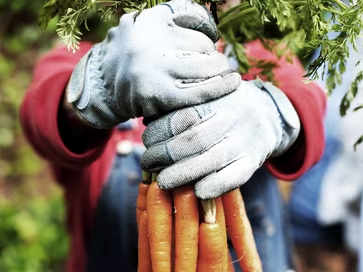
Vegetables to harvest include beetroot, broccoli, Brussels sprouts, cabbage, carrots, cauliflower, celery, leeks, lettuce, onions, parsnips, radishes, silverbeet, spinach and turnips.
Refresh & Plant
Grow practical crops you use often, and use containers if space is limited – see tips below.
- Add Daltons Garden Time Compost or Enriched Garden Mix before planting to refresh tired soil and help new crops establish before winter.
- Plant hardy winter vegetables such as broad beans, cabbage, cauliflower, lettuce, onions, peas, radish, silverbeet and spinach.
- Allow enough space for larger vegetables, especially broad beans, which need plenty of room as they mature.
- Keep an eye out for slugs and snails around new seedlings, especially after rain.
Maintain
- Add stakes or string supports for broad beans early, before plants are tall and top-heavy.
- Keep weeding so plants are not competing for light, moisture and nutrients.
- Adding a layer of mulch helps keep weeds at bay and protects plant roots.
Plant Garlic Early
- Plant garlic now so cloves can establish through winter before rust is more likely to appear in spring and summer.
- Choose the biggest, healthiest cloves and plant them pointy end up in a sunny, free-draining spot. Use Daltons Premium Bulb Mix in gardens or pots for best results, and read our Garlic Guide for full planting tips.


Flower Garden: Plant Some Winter Cheer
Plant flowers where they will be noticed through winter: by the front door, along paths, near windows or in pots you walk past every day.
- Pull out summer annuals that have finished and tidy containers.
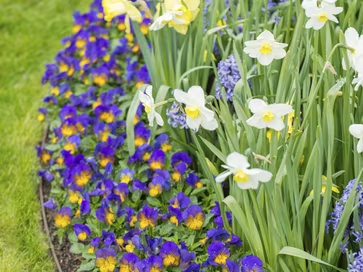
- For instant colour, plant pansies, violas, primulas, polyanthus, cyclamen, stocks, snapdragons and wallflowers.
- Sweet peas can also be planted now in many areas. Choose a sunny, sheltered spot and give them something to climb up.
Budget Tip: For a low-cost garden boost, divide clumping perennials (learn how in our guide here), collect seed from finished flowers, or pot up small self-sown seedlings to move elsewhere. Read our How to Grow Flowers Guide for more help.
Rose Care
It is still a little early for major rose pruning, so keep focusing on autumn garden hygiene for now.
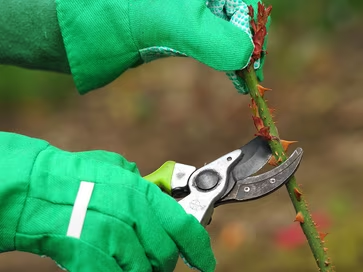
- Remove fallen leaves from around plants, clear away old flowers, and prune any dead or diseased growth from bush or climbing roses. This helps reduce black spot and rust carrying over into next season.
- Apply a copper spray as part of your winter clean-up.
- Clear away fallen leaves and spent blooms from around plants to help reduce disease carryover.
Dahlia Autumn Care
Dahlias can start looking a bit tired by May, with powdery mildew, tatty leaves and browning foliage common as the season winds down.
- Once flowering has finished and the top growth has died back, cut back old foliage and remove mildewed leaves.
- In wet, heavy or frost-prone gardens, lift and store tubers to help reduce the chance of rot.
- In warmer, free-draining spots, tubers can usually stay in the ground for a couple of seasons.
- If you are still enjoying your flowering dahlias, leave them for now and come back to this job in June.
Read our Dahlia Guide for step-by-step help on lifting and storing tubers.
Container Gardening
Containers are a smart option for small spaces, patios, renters and gardens where soil stays wet through winter.
- A few pots near the kitchen can still produce useful herbs (try parsley, chives, thyme or mint) and leafy greens for easy winter picking.
- For pots near entrances, decks and patios, mix winter flowers with foliage plants such as ornamental kale, heuchera, grasses or trailing plants for extra texture and interest.
- Replace or refresh potting mix so new plants have the best start.
Budget Tip: Refresh last season’s potting mix with Daltons Premium Container & Garden Fertiliser. As a controlled release fertiliser, a small amount feeds plants steadily over time.
Indoor Plant Care
- As light levels drop, indoor plants usually need less water.
- Move plants closer to natural light, but keep them away from heaters, heat pumps, draughts and cold windows.
- Check the potting mix before watering, and wipe dusty leaves so plants can make the most of winter light.

Pip and Stone Fruit Trees
What’s ready now
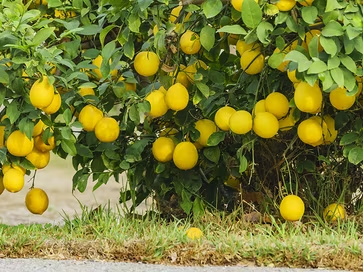
- May means satsuma and other thin-skinned mandarins begin ripening. Pick fruit as it colours and tastes ready.
- Keeping picking kiwifruit where it is ripening.
Pruning Time
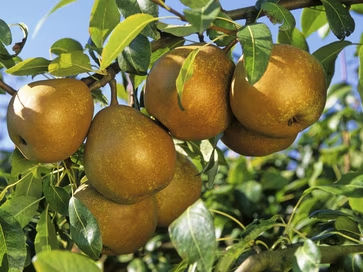
Prune apples and pears from late May into June, once the leaves have fallen. Step back and look at the overall shape of the tree before pruning. It is much easier to see crowded, crossing or damaged branches when the tree is bare.
- Choose a dry day where possible and avoid pruning in wet conditions.
- Remove dead, damaged, crossing or crowded branches, and open up the tree so light and air can move through.
- Aim to keep fruit trees open, manageable and easy to harvest from, rather than letting them get too tall.
- Check tree stakes, ties and guards while you are there. Loosen anything tight, replace broken ties, and secure young trees before winter winds arrive.
- Apply a copper spray after pruning stone fruit to help protect fresh cuts and reduce disease risk.
Protect Citrus Trees
In cooler areas, protect young citrus from frost and cold wind. Move potted citrus into a sheltered spot, keep frost cloth handy, and mulch around the root zone while keeping mulch away from the trunk.
Quick Answers
What vegetables can I plant in May in New Zealand?
Plant garlic, broad beans, cabbage, cauliflower, lettuce, onions, peas, radish, silverbeet and spinach.
Can I plant garlic in May?
Yes. May is a great time to plant garlic so cloves can establish through winter before rust pressure tends to rise in spring and summer.
Can I plant strawberries in May?
Yes. May and June are the best times to plant strawberries in New Zealand, giving plants time to settle in before spring growth begins.
Should I lift dahlia tubers in May?
Lift dahlia tubers once flowering has finished and the top growth has died back, especially in wet, heavy or frost-prone gardens.
What are the main May gardening jobs?
Plant garlic, winter vegetables and strawberries, refresh containers, tidy dahlias and roses, prepare for fruit tree pruning, protect citrus, and get the garden ready for cooler weather.
Other Top May Jobs
- Wash seed trays and pots so they are ready for late-winter seed sowing.
- Clean and sharpen secateurs before winter pruning begins.
- Check paths, steps and shady areas for slippery leaves or moss, especially as wetter weather sets in.
- Regularly top up bird feeders as food becomes harder to find for our feathered friends.