How to Grow Garlic
Garlic is super easy to grow and perfect for any garden space regardless of size. Bursting with rich flavour and many health benefits, grow it in the garden or pots. Read our advice and practical tips for successfully growing garlic at home.
Selecting the Right Variety
Buy garlic seed bulbs from your local garden centre to plant out. You will have greater success as they are much fresher. Always select a healthy-looking specimen and avoid any that are too soft or have mould on them. Try not to use supermarket garlic as they can be older and treated to prevent sprouting.
Varieties to grow:
In New Zealand, the main type of regular garlic grown is the cultivar ‘Printanor.’ This variety is known for its strong growth and flavoursome qualities and is well-suited for winter planting.
Ideal Planting Conditions (soil, site, sun, etc)
Garlic grows best in a sunny spot with free-draining, crumbly (friable) soil that’s been enriched with plenty of compost. Avoid areas that stay too wet over winter as garlic doesn’t like sitting in soggy soil. Once planted, label the area as your garlic bed, so it’s not accidentally planted over before shoots appear in spring. Garlic also grows well in pots and containers.
Prime Planting Time
Garlic is traditionally planted on the shortest day (June) and harvested on the longest day (December), but you can actually plant it anytime from April to July.
Planting in the Garden
Some people plant their garlic seed bulbs in the soil too deeply or grow them in poorly drained soil - both of which can hinder growth.
- Prepare your soil to a fine tilth, ensuring it is well-draining. Mixing in Daltons Premium Bulb Mix or Daltons Bulb Mix, helps improve structure and nutrients.
- Gently break each clove from the main seed bulb. Don’t bother with the very small ones in the centre of the bulb, as the larger the clove, the bigger the bulb that will grow.
- Plant cloves pointy end up, about 5cm deep, spaced 10-15cm apart, with 30–40cm between rows for good airflow and growth.
Growing in containers
- Choose a container at least 20cm wide and deep, or larger if planting a cluster of bulbs. Ensure the container has good drainage - add extra holes if needed.
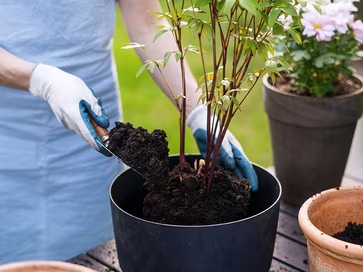
- Fill with Daltons Premium Bulb Mix or Daltons Bulb Mix, leaving at least 3cm at the top for easier watering.
- Follow steps 2 and 3 above and gently press the mix down.
- Water thoroughly and allow excess water to drain. You may need to top up the mix after watering.
- Apply a layer of Daltons Premium Mulch & Feed to retain moisture.
Harvesting Garlic
- Given normal growing conditions, garlic takes approximately 24 weeks to mature.
- Garlic is usually ready to harvest from late spring through summer, once the lower leaves start to yellow and die back.
- In most parts of New Zealand this is typically December to January, though timing does depend on when you planted your garlic, your region, and seasonal conditions.
Storing Garlic
- Leave the tops on after harvest and keep in a warm airy place until they have dried off further, about three weeks later.
Fertilising
- Feed garlic when plants are actively growing. Apply Daltons Premium Bulb Fertiliser fertiliser once shoots emerge in late winter or early spring, then again in mid-spring to support bulb development.
- Avoid feeding once bulbs are close to maturity.
- You can supplement this by adding Garden Time™ Seafeed Plus NPK to your water and apply every 2-3 weeks.
Watering
- Water garlic regularly, especially during dry periods, but avoid overwatering in winter, as it doesn’t like sitting in wet soil.
- In containers and garden beds, consistent watering is crucial—particularly through the hot summer months or during a dry early summer to support healthy bulb development.
General Care and Maintenance
Weed regularly so your garlic is not competing for nutrients in the garden.

Pests and Diseases
Rust
- Heavy clay soils that are poor draining will also increase the possibility of rust infections. Protective sprays of a copper compound will help prevent rust appearing.
- Always remove plants at the end of the growing season, especially if they have shown signs of rust infection, and leave them out of your compost bin. Dispose of them off the property.
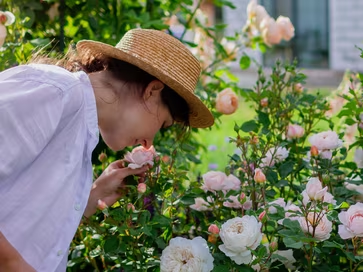
TOP TIP: To help deter aphids on roses, grow some garlic around your rose bushes.