March Gardening Tasks
March is a great month to reset the garden a little. There’s still plenty to harvest, but beds start freeing up, and that warm soil is ideal for getting winter veg underway.

In the Vegetable Garden
Finishing summer crops
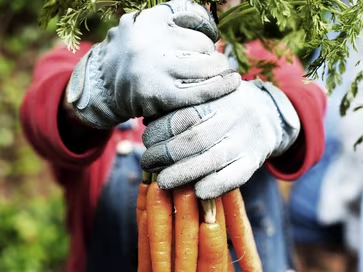
Keep harvesting what’s still producing well, including beans (dwarf and climber), corn, cucumber, eggplant, tomatoes and late pumpkins, plus staples like beetroot, carrots, onions, potatoes, spinach, lettuce and radish.
Preparing winter veg beds
- As each crop finishes, clear the bed so your next planting goes into a clean space (remove tired foliage and any fallen fruit).
- Top up beds with fresh Daltons Garden Time Compost to keep soils in good shape going into the cooler months.
- If you’ve got the space, rotate where you plant your regular crop groups (especially brassicas).
- If your garden tends to puddle in winter, lift the bed slightly or improve drainage now, it makes winter veg much easier.
Planting winter veg (seedlings)
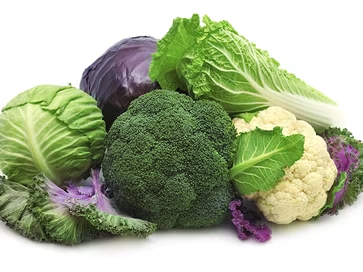
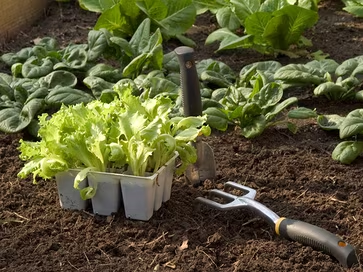
- Plant beetroot, broccoli, cabbage, cauliflower, kale, lettuce, onions, radish, silver beet and spinach.
- Stagger planting (every couple of weeks is ideal) so you’re harvesting steadily rather than all at once.
Planting times vary by region and crop. In cooler or frost-prone areas, it often helps to start seedlings in trays so they’re ready to plant out when conditions suit, while warmer areas may have a longer outdoor sowing window. For specifics, follow our warm vs cool climate planting guide.
Seed sowing (winter vegetables)
Sow outdoors
- Direct sow into prepared beds (and into larger containers for leafy crops): Asian greens, spinach, silver beet, beetroot, radish and quick salad greens.
Start in trays for planting out later
- Sow into trays and punnets filled with Daltons Premium Seed Raising Mix: broccoli, Brussels sprouts, cabbage, cauliflower, kale, leeks, lettuce and onions, then plant out once seedlings are sturdy and beds are cleared.
- Keep seed rows and trays evenly moist through germination and label what you sow (and the date) so staggered sowing stays simple.
- In cooler or frost-prone areas, starting brassicas in trays gives you a head start so seedlings are ready to plant out when conditions suit.
Container growing (if beds are full or soil stays wet)
- Grow easy crops like spinach, silver beet, spring onions, winter lettuce, radish and salad greens in pots and troughs.
- Refresh containers with fresh Daltons Premium Potting Mix and check drainage holes aren’t blocked.
- If you’re coastal or windy, tuck pots into a sheltered spot, containers can dry out quickly even when the weather feels cooler.


Spring Bulb Planting
- Bulbs are in store now, so it’s a good time to plan where you want spring colour and get them in while the soil is easy to work.
- If you want the best range, buy early, the favourites go quickly.
- When choosing bulbs, pick firm, plump bulbs and skip anything soft, mouldy, damaged or shrivelled.
What to plant
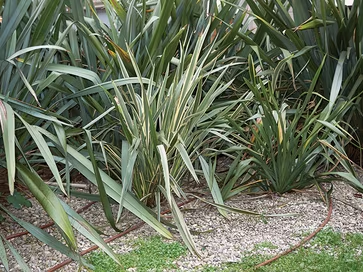
- Anemones, nerines, crocus, ranunculus, daffodils, tulips, freesias, watsonia, ixia, hyacinths, jonquils, lachenalia, irises and muscari.
- Add a simple marker as you plant, there’s nothing worse than putting the spade through bulbs later.
Bulbs in containers
- Pots are a great option for spring bulbs. Use Daltons Premium Bulb Mix, choose a pot with plenty of drainage holes, and avoid leaving it sitting in water after heavy rain.
For the full step-by-step (timing, planting depth, spacing and aftercare), head to our How to Grow Bulbs guide.
Flowering Winter Annuals
- If summer colour is starting to look tired, keep deadheading what’s still flowering and pull out plants that have truly finished.
- As gaps open up, start prepping those spots for winter colour, loosen the soil, work compost through, and plant with enough space so beds don’t get crowded as growth slows.
Rose care
- Many roses will push a late-season flush, keep deadheading to encourage more blooms.
- Lightly thin dense growth to improve airflow.
- Check mulch depth and top up where it’s thinned to help keep moisture even and reduce weeds.
- Water at the base when needed rather than overhead.
- Rust and black spot may be apparent, remove affected leaves and dispose of them (do not compost diseased material).
- Make a quick note of which roses struggled over summer, it’s handy info for winter pruning and spring care.
Autumn Dahlia Care
- Keep deadheading while they’re still flowering, dahlias can bloom through to autumn.
- When flowering finishes, leave the plant and let the tops die back naturally.
Lifting dahlias is typically done once the foliage has died back (often after the first frosts in colder areas), see our Dahlia Guide.

Fruit trees
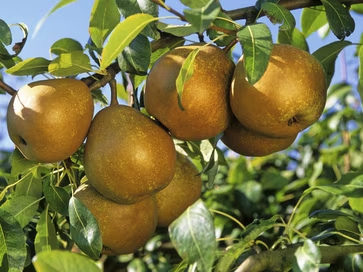
- A rewarding month harvesting late peaches, apples and pears.
- Leave fruit on the tree as long as practical for tree-ripened flavour but inspect ripening fruit regularly for early signs of insect damage.
Feijoas
- Most feijoa varieties fruit around April, but early varieties can begin in March, and late varieties can continue through to May.
- Start checking the ground regularly now, early fruit can drop quickly once it’s ready.
- Collect fallen fruit often so it stays clean, and pop any damaged fruit into the compost rather than leaving it under the tree.
Harvesting figs
- Pick figs when they’re soft and slightly drooping, they won’t ripen much once picked.
- Harvest early in the day and eat quickly (they’re best fresh).
- Net fruit early if birds are eyeing them up.
Vine fruit
- Keep harvesting passionfruit and grapes as they ripen.
- If birds or wasps are getting in first, pick more often rather than leaving fruit hanging too long.
- If you’d like to grow these at home, see our How to Grow Passionfruit and How to Grow Grapes guides.
Indoor Plant Care
- As light levels change, most houseplants need less water than they did mid-summer, check the pot before topping up.
- Rotate pots every couple of weeks so plants grow evenly rather than leaning toward the window.
Health check
- Give leaves a wipe (dust blocks light).
- Keep an eye out for pests early, it’s easier to deal with before it spreads, especially mealybugs and spider mites.
- Monitor the amount of water the plants require as the season changes, both overwatering and underwatering can be problematic.
Indoor winter colour
For indoor colour through the cooler months, try cyclamen, kalanchoe, African violets, orchids, anthuriums, peace lilies, begonias or Christmas cactus in a bright spot indoors.
Herb Garden
- Many herbs start flowering in March. If you want leafy growth for the kitchen, cut back now to encourage fresh new shoots.
- Pot up a few herbs for the doorstep or windowsill (parsley and chives are easy), it makes winter picking much more likely.
Drying herbs
- Harvest on a fine day, then dry in a sheltered, airy spot until fully crisp.
- Store in airtight containers and label the jar (and the date) so you know what’s what by winter.
Read our How to Dry and Freeze Herbs Guide for step by step advice.
Hedges
Time to trim unruly summer growth to maintain healthy hedge appearance.
- A golden rule for hedges is to trim them “little and often”, this keeps them looking dense and helps avoid bare patches.
- Step back and check the line before you start, a quick string line or a marker stick saves a lot of “oops”.
- Give the hedge a quick rake or shake after trimming so clippings don’t sit inside and smother new growth.

Lawn Care
Autumn is a great time to repair thin patches or sow a new lawn while the soil is still warm enough for seed to germinate well. April is also a classic lawn renovation month, so any patching you do now makes that next step easier.
Patching thin or bare spots
- Topdress the area with Daltons Premium Lawn Soil (about 40–50mm), level and lightly firm, then over-sow with the same grass seed you originally used so it blends in. Available in bags or via our Daltons Landscape Supplies yards. See our Lawn Guide for step-by-step advice.
- For small spot-fixes, Daltons Premium Lawn Patching Gold is a handy all-in-one option. Water well so moisture penetrates the full patch.
Starting a new lawn (or re-seeding a larger area)
- Get the base right first (level and firm), then sow evenly and keep consistently moist while it germinates, drying out is what trips most new lawns up.
Quick Answers

- What can I plant in March in NZ? Beetroot, broccoli, cabbage, cauliflower, kale, lettuce, onions, radish, silver beet and spinach (timing varies by region).
- What can I sow in March for winter veg? Direct sow Asian greens, spinach, silver beet, beetroot, radish and salad greens. Start brassicas, leeks and onions in trays to plant out later.
- Is March a good time to patch or sow a lawn? Yes, autumn is ideal while soil is still warm enough for seed to germinate.
- What spring bulbs can I plant now? Anemones, ranunculus, daffodils, tulips, freesias, hyacinths, ixia and more (see our bulb guide for full timing and how-to).