How to Prepare Your Garden for Spring in NZ
Spring brings longer days, warmer soil and plenty of new growth in the garden. A little preparation before the season gets underway can make planting easier and give your garden a strong start.
Here’s how to get your garden ready for spring.
Garden Clean Up
Start with a clean slate by giving your garden a good clean-up. Garden hygiene plays a big part in keeping it healthy and helps prevent pests and diseases from overwintering, reducing the risk of them spreading to your new season plants.
- Remove weeds, dead or diseased plants and any unwanted crops left from last season. Don’t add diseased material to your compost.
- Cut back tired perennials and trim straggly growth where needed to make room for fresh spring growth and planting.
- Check plants, garden beds and containers for signs of pests or disease and deal with any problems early.
Know Your Soil Type
Every garden is different, so knowing your soil type helps you understand what it needs before planting.
- Clay/Heavy Soil: If your soil is compacted or clay-based, add Gypsum Clay Breaker to help improve soil structure and drainage. Mixing in compost also helps ‘open up’ the soil, making it easier for air, water and nutrients to move through.
- Fine/Free-draining Soil: With very fine, free-draining volcanic or coastal soils, water drains away quickly, reducing the soil's ability to retain nutrients. Adding plenty of compost helps bind the soil, improving its capacity to hold both water and nutrients.

Soil Preparation
A healthy garden starts from the ground up. If you’re preparing your garden during winter, aim to improve the soil around 4–6 weeks before planting, but let local conditions guide you. Warmer regions may be ready to plant earlier, while cooler or frost-prone areas may need to wait for the soil to warm and late frosts to ease.
Avoid digging or cultivating saturated soil, as working it wet can cause compaction and damage its structure.
In-ground Gardens
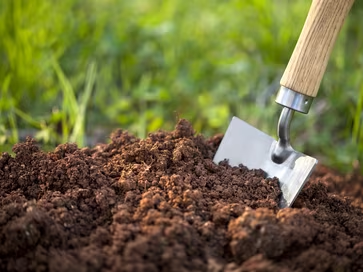
- Ideally, your soil should be loose, crumbly, free-draining and rich in organic matter.
- Add a generous layer of Daltons Garden Time™ Compost and dig it through, mixing well to a depth of 1–1½ spade lengths.
- For an extra natural nutrient boost, mix in Garden Time™ Chicken and Sheep Pellets before planting.
Growing in Raised Beds or Planter Boxes
- If you are growing in raised beds or planter boxes and need to top them up, use Daltons Premium Garden Mix .
- Starting from scratch? Use a combination of Garden Time Compost and Premium Garden Mix to create a nutrient-rich, well-drained growing medium ready for planting. See our cost saving tips on how to grow smarter in raised beds or containers.
Container Growing
Plants in containers rely on a limited amount of growing mix for moisture and nutrients, so use a quality free-draining mix such as Daltons Premium Potting Mix or Daltons Premium Outdoor Container Mix.
- Refresh or replace tired potting mix as needed before replanting.
- To reuse old potting mix, tip it onto a tarp, remove old roots and mix through compost or fertiliser before replanting.


Your Garden Layout
- Think about what each plant needs and where it will grow best, such as full sun, partial shade or a sheltered spot. Do some research or take note of plant tags at your garden centre.
- For in-ground planting and raised beds, space your rows wide enough to allow good air circulation and easier access for weeding, watering, and harvesting.
- In containers, group plants with similar light and water needs together for easier care.
- Jot down notes or sketch a simple layout to keep track of where everything will go.
Crop Rotation
Rotating crops between garden beds helps maintain soil health and reduce the build-up of pests and diseases.
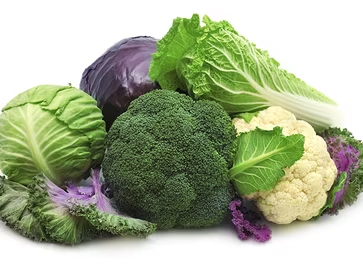
- Move different plant families (e.g. brassicas, legumes, solanums) to new spots where possible each year. Read our Crop Rotation Guide for more advice.
- Where rotation is limited, refresh the soil or potting mix before planting again - see advice above.
Selecting and Starting Your Plants
Starting Spring Plants From Seed
Growing from seed is a cost-effective way to grow more plants and try varieties that may not be available as seedlings.
- Sow seeds indoors or under cover using Daltons Premium Seed Raising Mix.
- Our Sowing Seeds Guide has more advice on how to sow and germinate seeds successfully.
Choosing Plants and Seedlings for Spring
- Choose plants suited to your region and the time of year. What grows well in Auckland, for example, may not suit the colder Otago climate.
- Use our Summer Vegetable Planner and Flower Gardening Guide for what to plant and when. Your local garden centre is also a great source of region-specific advice.
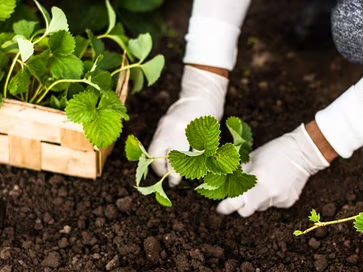
- Choose healthy-looking plants or seedlings, avoid any that are wilted, leggy, yellowing, or showing signs of pests or disease.
- If you're planting in containers, look for compact or dwarf varieties, see varieties here in our Container Growing Guide.
Preparing Plants Before Planting
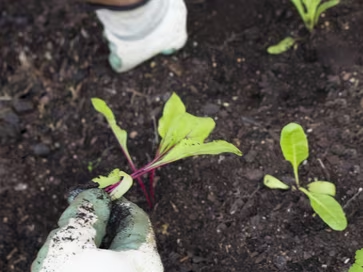
If seedlings have been raised indoors or under cover, gradually harden them off before planting them outside. Before planting out, soak seedlings or young plants in Garden Time™ Seafeed to reduce transplant shock and help roots settle in faster.


Mulch – Nature's Blanket
- After planting, add a layer of mulch, such as Daltons Premium Mulch & Grow or Daltons Bark, around plants (not touching the stem) and over the soil surface. It helps retain soil moisture, suppress weeds and protect plant roots as the weather warms.
- Natural mulches also enriches soil, providing valuable nutrients as it breaks down over time.
Watering and Feeding
As the weather warms, water deeply and consistently to help plants establish strong roots.
- Container gardens will need more frequent watering as they dry out faster than garden beds.
- Water around the base of plants where possible. Wet foliage can encourage fungal diseases, especially in warm or humid conditions.
- As the weather warms, apply Garden Time™ Seafeed regularly to help build plant resilience to heat and environmental stress.
- Choose a fertiliser to suit your plants and growing needs. Read our How to Use Fertilisers Guide for advice.
Gardening Terms Explained
Compost: Decomposed organic matter (like plant material, bark, etc.) added to soil to improve structure, boost nutrients, and feed soil life.
Crop rotation: The practice of changing where you grow different types of plants each season to maintain soil health and reduce pests and diseases.
Environmental stress: Tough growing conditions like extreme temperatures, strong wind, drought, or sudden weather changes that can weaken plants and affect their growth.
Foliage: A general term for a plant’s leaves.
Free-draining: Soil or potting mix that allows water to drain through easily, helping prevent waterlogging and root rot.
Mulch: An organic layer of material (such as bark or compost) spread over the soil surface to retain moisture, suppress weeds, and protect plant roots.
Organic material: Not the same as “certified organic.” In gardening, this refers to natural matter that comes from living things, like compost, manure, or leaf litter. It’s added to soil to improve structure, hold moisture, and feed soil organisms.
Soil conditioner: A material (like compost or gypsum) added to improve the physical quality of soil, making it looser, more fertile, or better at holding water.
Soil structure: The way soil particles are arranged and held together. Good soil structure allows air and water to move through the soil while giving plant roots room to grow.
Transplant shock: Stress experienced by a plant when it’s moved or replanted, often showing as wilting, leaf drop, or slowed growth while the roots re-establish.