How to Use Fertilisers Guide
Choosing the right fertiliser and applying it at the right time can make all the difference in the success of your garden. In this guide, we walk you through the different types of fertilisers available and when to apply them, whether you're growing fruit trees, veggies, flowering plants, lawns, or bulbs.

Choosing A Fertiliser
Speciality Fertilisers (controlled or slow release)
Tailored to specific crops such as herbs and vegetables, indoor plants, tomatoes, lawns, strawberries, potatoes, rose and flowers, citrus and fruit trees, shrubs and trees planting tabs, and container plants.
All Rounders
Ideal if you're unsure which type to use or need a versatile option that suits multiple plant types: general-purpose fertiliser.
Natural Fertiliser Pellets
Use natural fertiliser pellets to enrich your soil before planting or as side dressings around plants. Try Garden Time Chicken and Sheep Pellets.
Seaweed
Safe to use year-round on all plants to boost their resistance to stress like heat and drought or disease, Daltons Seafeed liquid concentrate has added NPK to support growth, flowering, and fruiting.
Controlled release – granular fertiliser |
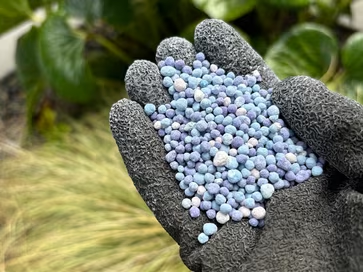
| How it works: Controlled release fertilisers are coated prills (granules) that provide a precise daily amount of nutrients to plants (depending on soil temperature and moisture levels). They promote healthy growth via a steady, consistent supply of nutrients over long periods. These fertilisers can last from 3 to 10 months, depending on the product. |
| Best used for: Controlled release fertilisers are an excellent choice for all types of plant, particularly beneficial for long-term crops. You don’t have to apply them as often – an easy stress-free choice. |
Natural/organic eg: pellets |
| How it works: Pellets offer a source of natural, organic nutrients to enhance plant growth. They also improve water and nutrient retention in the soil and promote the activity of beneficial organisms like earthworms and Trichoderma. |
| Best used for: Pellets are a good slow-releasing fertiliser option for those wanting to avoid synthetic fertilisers or looking to increase organic matter and beneficial organism activity in the soil. |
Slow release – granular fertiliser |
| How it works: Slow-release fertilisers also provide nutrients over time, but since they aren’t coated, how fast they release nutrients depends on things like moisture and temperature. When conditions are just right, the nutrients can be released very quickly to plants. |
| Best used for: Slow-release fertilisers are a good option for most plants. |
Liquid |
| How it works: Liquid fertilisers provide nutrients that promote plant growth such as nitrogen, phosphorous and potassium, in a liquid formula. They act faster than granular fertilisers since the nutrients are readily available for absorption by plants. However, liquid fertilisers are more prone to washing out of the soil than granular options, so may not provide long-lasting feeding. |
| Best used for: A good option for when plants are showing signs of nutrient deficiency, or when a quick boost of fertiliser is needed. |
Seaweed |
| How it works: Seaweed is a natural powerhouse, rich in amino acids and bioactive compounds that build plant resilience to stressors like heat and drought. Made with NZ natural seaweed, Garden Time Safeed™ provides essential nutrients, including added nitrogen, phosphorus, and potassium (NPK), to support healthy growth. |
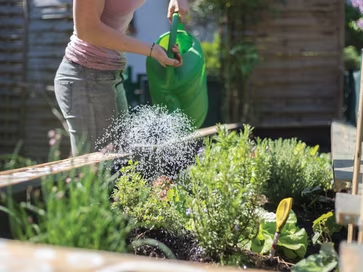
| Best used for: Ideal to boost and help protect plants facing stress from heat, drought, frost, or disease. Garden Time Safeed™ can be applied directly to foliage or soil using watering can, low-pressure sprayer, or through irrigation systems. Pre-soak plants in a Seafeed mixture to reduce transplant shock when planting. |

Best Time To Apply Fertiliser
Generally, apply fertiliser once daytime temperatures consistently reach 18 degrees or higher, and soil temperatures are also rising. This indicates that plants are entering their active growth phase and benefit from the extra nutrition that fertiliser provides. However, the timing can also vary depending on the type of crop:
| Fruit trees | Key times are spring, fruit-set, and autumn. |
| Flowering plants | Key times are spring and summer. |
| Bulbs | Key times are at planting and in spring. |
| Lawns | Key times are spring, summer, and autumn. |
| Acid plants | Key times are early spring and after the first flowers have opened. |
| Ornamental trees and shrubs | Key times are at planting and in spring. |

How Much To Use
Always check the instructions on the bag or box of fertiliser for the best guide on how much to apply.

Applying Fertiliser
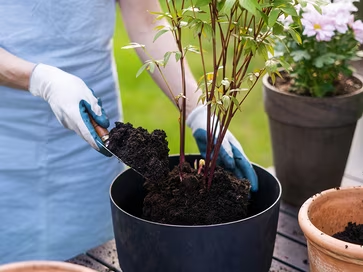
| New plantings or rejuvenating soil | For planting - sprinkle recommend fertiliser amount into planting hole (or use a planter tab), and mix with soil before adding plant. Water well. Enriching soil - mix recommend fertiliser amount evenly with existing soil and water well. |
| Feeding existing plants | Sprinkle recommend fertiliser amount in a line in garden, or ring around the plant. Lightly fork in and water well. Keep product away from plant stem and leaves. |
| Container/Potted plants | Sprinkle recommend fertiliser amount around top of the planter/pot, avoiding product contact with stems and leaves. Lightly fork in and water well. |
| Seedlings | For smaller seedlings (before two true leaves) wait until established before fertilising otherwise you may burn and kill the plant. |
| Lawns | For even growth and performance we recommend using a hand or push spreader with calibrated measurement. Learn more here. |
Daltons top tip
Did you know you can apply fertiliser over the top of mulch? Just sprinkle on top around your plant and water it in well as normal.