How to Grow in Containers Guide
Even with limited space, you can grow vegetables and flowers in containers. Try vertical gardening, potted herbs, or colourful flowers to brighten balconies or small gardens. Hanging baskets add charm, and potted plants make lovely focal points or refresh tired garden corners.
Mix Matters - Planting in Containers
What you plant in matters because potted plants grow in a confined space, they use up nutrients faster than those planted in the ground.
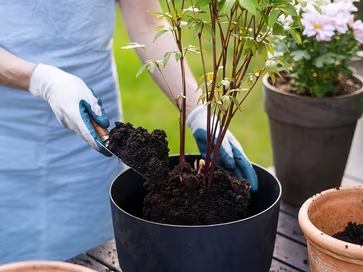
- Refresh your mix each season soil with a high-quality mix, like Daltons Premium Potting Mix or Outdoor Container Mix when replanting each season.
- These mixes are specially formulated with slow-release nutrients and moisture-retaining properties to prevent the soil from drying out too quickly.
- Add a layer of a Daltons Mulch Product on top to help lock in moisture and shield the soil from evaporation. This simple step can make a big difference in the health of your potted plants. Explore our range of bagged mulch and bark products.
Choosing the Right Container
Selecting the right-sized container is key to thriving plants.
- When choosing pots, think about size, style, material, durability, and weight, as well as the type of plant you’re growing - a tree will need more space than flowers or vegetables.
- From sleek concrete planters, classic terracotta, lightweight plastic, or even creative up-cycled options like old buckets, tubs, or gumboots - pick what suits your space and the look you’re after.
- Whatever you use, check it has proper drainage holes and is slightly elevated to prevent water from pooling at the roots.
Raised Garden Bed Planters: Perfect for Small Sections
If space is limited, raised garden bed planters are a great option. Available in different shapes and sizes at your local garden centre, they’re ideal for herbs, flowers, or small vegetables.
Raised planters are flexible, tidy, and easy to use:
- Add wheels before potting so you can move them to follow the sun or find shelter.
- Improve soil drainage and airflow for healthier root growth.
- Reduce pests and weeds while keeping your garden space organised.
- Give you full control over soil quality and moisture levels.
Whether you’re starting small or expanding your growing space, raised planters make it easy to create a productive garden almost anywhere.
Hanging Baskets
Hanging baskets are a simple way to add colour at eye level and make use of decks, fences and balconies. They’re practical too, suiting flowers, herbs, leafy greens and succulents.
- Choose the basket: Opt for a larger basket to keep roots cool and improve water retention.
- Prepare the liner: Mist the liner with water to soften it, then place it inside the basket.
- Add potting mix: Fill the basket with a quality potting mix, leaving room for planting.
- Arrange your plants:
- Place plants around the sides of the basket by gently poking them through the liner.
- Add more plants on top for a lush, full effect. - Water thoroughly: After planting, water the basket to moisten the soil and settle the plants.
- Maintain moisture: Water regularly to keep the soil consistently damp and support healthy growth.
Choosing the Right Plants

Vegetables
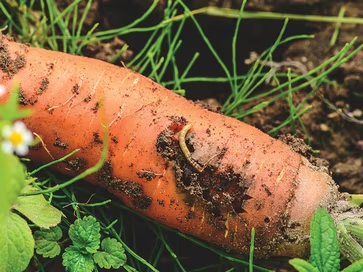
You can successfully grow many types of vegetables in pots or containers. Bigger veggies do need big pots, but with container gardening being so popular there are also many dwarf or mini-varieties now available.
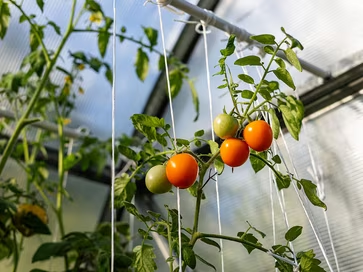
- To get started, choose compact or dwarf varieties such as Tom Thumb and Little Gem lettuces, cherry or Roma tomatoes, capsicum, cucumber, and Asian greens.
- If you love courgettes, grow them vertically on a tomato cage or plant support.
- Start planting summer vegetables around Labour Weekend and move pots to sheltered spots to protect from late frosts.
- Winter veggies like spinach, kale and brassicas can also be grown in pots: plant them in late spring/early autumn.
- Place containers in a warm, sunny, north-facing spot out of strong winds.
- When growing veggies in pots, as with normal gardens, use succession planting for a continuous supply eg. keep sowing seeds or planting seedlings every few weeks.
Herbs
With many herbs being of Mediterranean origin, they are hardy and ideal for growing in containers.
- Try basil, coriander, dill, thyme, rosemary, chives, parsley, mint, sage, oregano and marjoram.
- They also help bring in beneficial insects so place a few pots next to your veggie pots.
- Replant tired herbs in spring in fresh potting mix.

Flowers
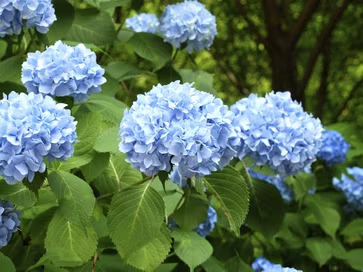
Flowers in pots are a fantastic way to liven up any garden or small space. You can create a seasonal garden in containers with flowering annuals which can produce mass displays of colour that look stunning. Here are some top picks:
Summer Annuals
- Petunias – vibrant, showy blooms perfect for pots.
- Cosmos – available in a range of colours, with dwarf whites being especially beautiful.
- Marigolds – love dry conditions and flower all summer long.
- Other summer options: calendula, alyssum, lobelia, portulaca, and salvias.
Perennials for Pots
Reliable choices include:
- Geraniums and pelargoniums – classic favourites.
- Daisies – available in white, pink, or yellow, offering a phenomenal display with minimal care.
- Winter Annuals: Bedding begonias, pansies, primulas, sweet peas, and violas to add cold season colour.
Lavender
Another very popular plant to grow in containers is Lavender.
- It is best to go with smaller varieties like Old English (angustifolia) which also has the most beautiful scent.
- There are other forms of the smaller growing varieties like munstead, and hidcote which also will do well in pots.
- Regularly deadhead your flowers to ensure continuous flowering.

Bulbs in containers
Bulbs add beautiful seasonal colour and colour and fragrance.
- Spring-flowering favourites include tulips, daffodils, freesias, hyacinths, ranunculus, and anemones.
- For summer, try lilies or dwarf dahlias.
- After flowering, move pots out of sight while the foliage dies back, then store them until next season.
- Refresh soil and check bulbs every 3–5 years, dividing large ones for replanting.
Make a Bulb Lasagna! Plant bulbs in layers for extended flowering - larger bulbs like tulips at the bottom, smaller ones like crocus or anemones on top.
Fruit trees
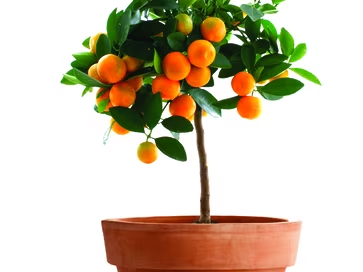
You can easily create a mini orchard by growing a variety of citrus and fruit trees in containers.
- Compact varieties like Meyer Lemon, Clementine, Encore Mandarin, and Bears Lime are perfect for pots.
- Red Guava and the dwarf Feijoa Bambina from Incredible Edibles® also thrive in containers.
- Other fruit trees that do well in pots include olives, figs, and dwarf apple varieties.
Berries
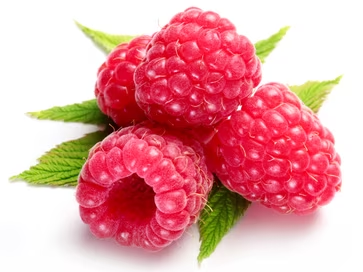
- Try strawberries, raspberries, and blueberries - all great options for pots.
- To help retain moisture and reduce the risk of fruit rot, apply a layer of mulch over the soil.
Ornamental trees and shrubs
- Grow them in large containers as they need the root room.
- Smaller varieties of Weeping Maple trees can add a stunning visual element to your garden.
- Check with your local garden centre to ensure the tree you choose is suitable for containers and suited to your climate.
Watering
To keep your potted plants thriving, follow these easy watering tips:
- Water deeply: Thoroughly water your pots 2–3 times a week rather than giving them a light sprinkle each night.
- Monitor soil moisture: Keep the soil moist but not soggy, ensuring it doesn’t dry out between waterings.
- Adjust for the seasons: Increase watering during hotter summer months to meet your plants' needs.
If you're going away:
- Ask for help: See if a neighbour can water your pots while you're gone.
- Provide shade: Place pots under trees in dappled light to reduce water loss and keep them hydrated.
Feeding Container Plants
Fresh container mix has essential nutrients, but supplementary fertilisers support long-term growth.
- Slow-release fertilisers are a great option, providing a steady nutrient supply with each watering.
- Choose fertiliser based on your plants' needs - flowering plants love potash-rich options, while foliage plants thrive with higher nitrogen.
- Tailoring fertiliser to your plants ensures they get the nutrients needed to flourish.
See our How to Use Fertiliser Guide for more advice.
Maintenance & Seasonal Care
Keep your container plants vibrant and eye-catching year-round with these simple maintenance tips:
- Replant regularly: Refresh your containers by replanting and replacing tired plants each season.
- Prune as needed: Lightly trim potted trees to maintain a neat, compact shape.
- Deadhead flowers: Remove finished flowers regularly to encourage fresh, new blooms.
- Clean your pots: Wipe down containers to remove soil, dust, or debris for a tidy, polished look.

Children’s Container Gardens
Container gardening is a wonderful way to introduce young children to the joys of gardening, letting them grow their own flowers and vegetables. Here’s how to get started:
Choose child-friendly containers: Select containers that are the right size and height for little hands to reach and work with ease.
Pick fast-growing, fun plants: Start with options that grow quickly and are rewarding to harvest, like:
- Strawberries: Sweet, delicious, and a joy to pick.
- Cherry tomatoes: Varieties like Tom Thumb or Sweet 100 are ideal.
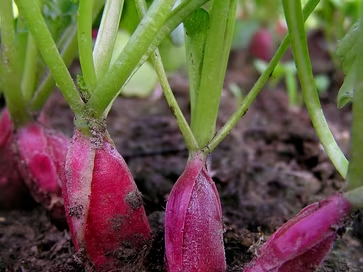
- Radishes and peas: Snow or sugar snap peas can be eaten whole - perfect for little snackers!
- Beans and salad greens: Try mesclun mix, spinach, rocket, or kale for quick, nutritious results.
Teach harvesting skills: Show them how to gently pick outer leaves from lettuces like butter crunch, oak leaf, or cos to encourage ongoing growth.
Gardening Terms Explained
- Annuals: Only lasts a growing season.
- Deadheading: The removal of finished flowers to encourage continuous succession flowering.
- Hardier/hardy plants: Robust plants that can tolerate severe conditions.
- Perennials: Plants that live more than one growing season, usually two to three years or more.
- Replacement planting/or succession planting: Planting the same plant again as the previous one comes to an end.