Unsuccessful Courgette Growth
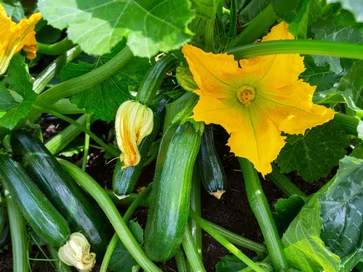
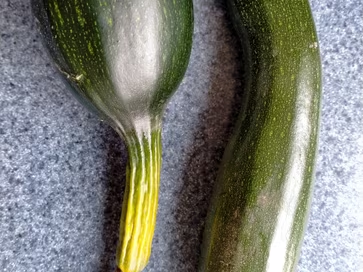
For the second year in a row, I’ve unsuccessfully tried to grow courgettes. They grow to about 5cms in length then the base of it burgeons out into a bulb shape, then the remaining thin part of the courgette turns bright yellow. What am I doing wrong?
Sorry to hear you are having trouble with your courgettes, it can be frustrating when it happens over a few seasons. There could be a few reasons for the problem.
Pollination
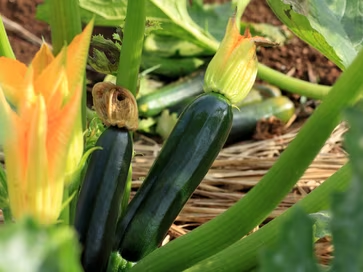
Courgettes produce separate male and female flowers, and if the female flower isn’t properly pollinated, the fruit starts to grow but then stops and becomes misshapen and/or yellow. This is a very common problem with courgettes, especially if the environment hasn't been kind to your local pollinators due to prolonged cold spells or poor early summer weather, then there are likely to be fewer insects in the garden, leading to poor pollination.
To solve this issue, you can hand pollinate your courgettes by taking a male flower and removing the petals, then gently brush the centre onto a female flower. Or you can help boost your local insect populations by planting flowers and making sure there is sufficient airflow so insects can easily fly in and out while pollinating your veggie patch.
If your flowers have been pollinated and still fail to develop, then look to the watering routines and soil preparation for answers.
Avoid water logged soil
Courgettes prefer a hot, sunny, reasonably dry position in the garden; with moist, free draining soil. If your soil is water logged you may need to add in more compost or a vegetable mix to help with drainage. Prior to planting it can also be beneficial to mound the soil slightly to reduce the possibility of the plant getting too wet via rain or irrigation.
Another potential cause of water logged soil is that you could be overwatering your plant. This can cause discolouration and improper development of fruit and also encourage blossom end rot, which can cause the fruit to yellow and rot on the plant. It is better that a courgette is on the dry side rather than excessively wet. Keep the soil consistently moist without letting it dry out; steady, regular watering is the key.
Over fertilising
Excessive fertiliser can also lead to large leaf growth, misshapen fruit and limited or no courgettes. Courgettes are comparatively low nutrient loving plants and so long as the soil has been prepared well before planting, they should grow well. You can apply fertiliser once the fruit starts to form fruit and water it in well.