How to Grow Courgettes
Courgettes (zucchini) are one of the easiest and most rewarding summer vegetables to grow. Just a few plants will keep you well stocked all season. Enjoy them grilled, roasted, baked into muffins, or sliced into salads. Their bright yellow flowers are also edible and delicious stuffed, battered, or tossed through salads.

Selecting the Right Variety
Courgettes come in green, golden yellow, striped, and even round varieties. They grow well across New Zealand,
and there are many excellent varieties to suit different tastes and spaces:
Green varieties:
- Blackjack / Black Beauty – classic dark green courgettes; heavy cropping and reliable.
- Black Coral F1 – early maturing hybrid with smooth, glossy green fruit and excellent flavour.
Yellow varieties:
- Gold Rush F1 – bright golden yellow fruit with a sweet, mild flavour.
- Zephyr F1 – striking yellow fruit with a green tip and tender texture.
Striped and patterned varieties:
- Cocozelle – Italian heirloom with long striped fruit and rich flavour.
- Golden Zebra F1 – vibrant yellow courgette with attractive green striping.
- Costata Romanesco – ridged Italian heirloom with firm, nutty-flavoured fruit.
Specialty and climbing types:
- Patty Pan (Scallopini) – small, scalloped courgettes that add colour and variety.
- Tromboncino / Rampicante – vigorous climbing types that save space and produce long, curved fruit; best grown on supports.
Top Tip: Plant a mix of varieties to enjoy different flavours and colours.
Prime Planting Time
- In warmer regions, plant from late October once soils have warmed.
- In cooler areas, wait until risk of frost has passed (usually early November).
- Seeds can also be started indoors from September and transplanted once strong and hardened off.
Ideal Planting Conditions
- Courgettes prefer a hot, sunny, reasonably dry position in the garden; with moist, free draining soil.
- If your soil is heavy or waterlogged, mix in Daltons Garden Time Compost or Vegetable Mix to improve drainage.
- Full sun is essential – at least 6 hours per day – and protect plants from strong winds.
- Courgettes can also be trained to grow vertically up a tomato cage or plant support to save space and improve airflow.
- Rotate your courgette crop each season to prevent soil-borne diseases and maintain soil health – see our Crop Rotation Guide for more information.
Planting in the Garden
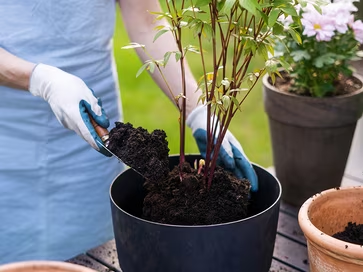
- Prepare soil by digging in Daltons Garden Time Compost or Vegetable Mix about one to two weeks before planting to improve structure and drainage.
- Plant seedlings 80–100 cm apart, as plants spread widely.
- Slightly mound the soil to help with drainage.
- Add a layer of mulch around plants to retain moisture. Explore our range of bagged mulch and bark products.
- Water in well after planting.
Growing in pots or containers
- Courgettes can be growing in containers – use a pot at least 10 L in size filled with Daltons Premium Potting Mix or Vegetable Mix.


Pollination
Courgettes produce separate male and female flowers, and good pollination is vital for healthy fruit.
- Encourage bees and pollinators by planting nearby flowers such as marigolds, borage, or calendula.
- If bee activity is low, hand-pollinate using a small brush or by gently transferring pollen from a male flower to a female one.
- Female flowers are easy to spot – they have a small fruit behind the bloom.
Fruiting
Courgettes grow fast once established. Expect fruit around 6–8 weeks after planting, depending on temperature and variety.
- In warm, sunny conditions, fruiting can begin as early as five weeks from planting.
- Once flowers appear, fruit develops quickly – sometimes ready to pick within 2–3 days of flowering during peak summer growth.
- Regular harvesting encourages continuous crops right through the season.
Harvesting
- Pick courgettes while they’re young and tender to avoid them turning into marrows in the summer heat.
- Check plants every few days, courgettes grow rapidly once they start producing.
- Grate and freeze any excess for adding to pizza or meals later (squeeze out excess moisture before freezing).
Fertilising
- Courgettes aren’t feeders and do well as long as the soil has been prepared well before planting.
- Apply Daltons Premium Vege & Herb Fertiliser once fruit starts to form – but go easy – excessive fertiliser can also lead to large leaf growth, misshapen fruit and limited or no courgettes.
- Supplement with Daltons Seafeed NPK every 7-10 days to improve plant resistance to stress from drought, heat, and disease.
Watering
Courgettes develop quickly and need a consistent water supply.
- Uneven watering can cause odd-shaped fruit or blossom-end rot.
- Keep soil evenly moist without letting it dry out completely.
- It’s better for courgettes to be a little dry than waterlogged.
- Mulch with Daltons Premium Mulch & Feed to help retain moisture and reduce evaporation.
General Care and Maintenance
- Remove older leaves at the base to improve airflow and reduce disease.
- Keep the garden weed-free to avoid competition for water and nutrients.
- In humid regions, ensure good airflow between plants to help prevent mildew.
Pests and Diseases
- Powdery Mildew – very common late in the season; improve airflow, avoid wetting foliage and remove affected leaves promptly. Learn more here.
- Aphids and whitefly – appears on leaf or leaf undersides; control with safe sprays if needed.
- White butterfly and green caterpillar: Look for small white butterflies fluttering around – they lay eggs that hatch into caterpillars which chew through leaves. Check regularly and remove by hand or protect young plants with insect mesh.
- Slugs and snails love young seedlings. Use pet- and child-safe pellets, beer traps, or natural barriers like crushed shell, bark, or sawdust.
Gardening Terms Explained
- Blossom end rot: A common disorder caused by inconsistent watering or calcium deficiency, where the end of the fruit turns soft and brown.
- F1 hybrid: A plant variety bred by crossing two parent types to produce stronger, more uniform plants with better yields.
- Hand-pollinate: Transferring pollen from a male to a female flower by hand (using a small brush or the flower itself) when pollinators like bees are scarce.
- Hardening off: Gradually introducing seedlings grown indoors to outdoor conditions over 7–10 days before planting.
- Heirloom: Traditional plant varieties that have been grown for generations, valued for flavour and heritage rather than uniform appearance.
- Mulch: A layer of organic material, such as bark or compost, spread over soil to retain moisture, suppress weeds, and keep roots cool.
- Pollination: The transfer of pollen from the male to the female flower that allows fruit to form.
- Side dressing: Applying fertiliser around the base of established plants.
- Soil-borne disease: Plant diseases that live in the soil and can infect crops grown in the same spot each year, one reason crop rotation is important.