How to Grow Asian Greens
Asian greens are a broad group of leafy vegetables commonly used in Chinese, Japanese, Korean, Vietnamese and other Asian cuisines. They are easy to grow at home in garden beds, raised beds and pots, and many can be picked young within just a few weeks.
When and How to Plant
Asian greens can be grown through much of the year in New Zealand, but they are easiest in the cooler months when leafy growth is stronger, and plants are less likely to bolt.
Seedlings are the easiest way to grow Asian greens as they give you a head start, are simple to space correctly and reduce the time between planting and harvest. If you prefer to grow from seed, see our Seed Raising Guide for step-by-step seed sowing advice.
- In warmer months, they need a bit more care. Choose a spot with morning sun and some afternoon shade, keep watering consistent, and harvest young.
- In warmer regions, they can be grown for much of the year. In cooler regions, choose a sunny, sheltered spot and protect young plants from frost on cold nights.
Succession tip: Plant a few seedlings every two to three weeks rather than one big planting all at once. This keeps a steady supply going and avoids everything being ready at the same time.
Planting Guide
Use this table as a general guide for planting seedlings. Always check the plant label for variety-specific advice.
| Variety | Sow Seeds | Plant seedlings |
| Bok choy and pak choy | Warm NZ: Jan to Sep Cool NZ: Feb to Jul | Warm NZ: Feb to Oct Cool NZ: Mar to Aug |
| Tips: Two of the most widely grown Asian greens in NZ home gardens. Fast, reliable and easy to cook. Harvest as baby leaves in a few weeks or leave to develop into full plants. Useful in stir-fries, soups and noodle dishes. | ||
| Choy sum | Warm NZ: Jan to Aug Cool NZ: Feb to Jul | Warm NZ: Feb to Sep Cool NZ: Mar to Aug |
| Tips: Grown for its tender leaves, stems and flower shoots. Pick before the flowers fully open for the best flavour. Useful for stir-fries and quick cooking. | ||
| Gai lan (Chinese broccoli) | Warm NZ: Jan to Aug Cool NZ: Feb to Jun | Warm NZ: Feb to Sep Cool NZ: Mar to Jul |
| Tips: Similar in style to broccoli but leafier, with edible stems and flower shoots. Needs a bit more space than the smaller leafy types. Harvest stems when flower buds appear but before they open. Use like a leafy broccoli in stir-fries or steamed dishes. | ||
| Mizuna and mibuna | Warm NZ: Year-round* Cool NZ: Feb to Aug | Warm NZ: Year-round* Cool NZ: Mar to Sep |
Tips: Fast-growing Japanese greens for repeat picking. Mizuna has fine, feathery leaves; mibuna has narrow, strap-like leaves. Use young in salads, baby leaf mixes, stir-fries and pots. Cold-tolerant and suitable for much of the year in mild regions. *May bolt in midsummer heat. Keep water consistent and harvest young from November to January. | ||
| Mustard greens | Warm NZ: Jan to Aug Cool NZ: Feb to Jul | Warm NZ: Feb to Sep Cool NZ: Mar to Aug |
| Tips: Stronger flavoured than most other Asian greens, with a peppery bite that mellows when cooked. Pick young for a milder taste. Good cooked into stir-fries, soups or savoury dishes. | ||
| Tatsoi | Warm NZ: Jan to Sep Cool NZ: Feb to Jul | Warm NZ: Feb to Oct Cool NZ: Mar to Aug |
| Tips: Forms a low, attractive rosette of small spoon-shaped leaves. Handles cool weather well and is one of the best Asian greens for growing through winter. Good picked young for salads or lightly cooked. | ||
| Wong bok | Warm NZ: Jan to Jul Cool NZ: Feb to Jun | Warm NZ: Feb to Aug Cool NZ: Mar to Jul |
| Tips: Forms a large, solid head and needs more space than the leafy types. Best planted where it has room to develop and consistent moisture. Allow 10 to 12 weeks to maturity. Useful in stir-fries, soups, slaws and pickled dishes. | ||


Soil Preparation and Planting
Asian greens grow quickly, so good soil makes a real difference. Pale leaves, slow growth and early bolting are often signs the growing conditions are not quite right.
In Garden Beds and Raised Beds
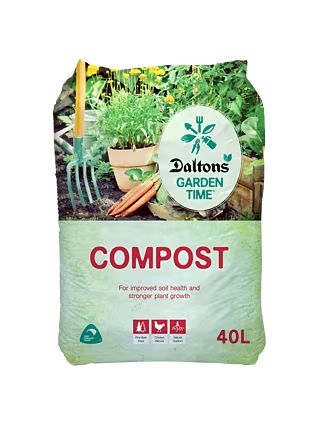
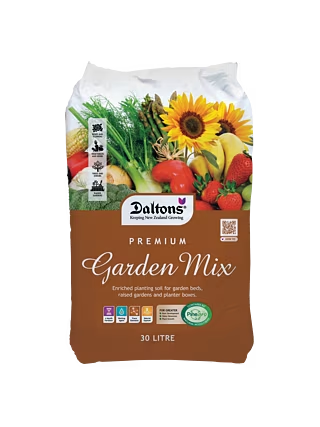
- Remove weeds and old crop debris, then loosen the soil before planting. Work through Daltons Compost or Daltons Premium Garden Mix to improve soil structure and add organic matter.
- For an extra nutrient boost, mix in Daltons Garden Time Chicken and Sheep Pellets before planting, following the pack directions.
- Plant seedlings at the same depth they were growing in the punnet. Larger crops like gai lan and wong bok need more room than smaller leafy greens.
Our Premium Garden Mix is also available in bulk at Daltons Landscape Supplies Yards if you are filling a large bed.
Growing in Containers
- Use Daltons Garden Time Vegetable Mix or Daltons Premium Garden Mix rather than garden soil which compacts in pots, holds too much moisture, and limits root growth.
- Choose containers with good drainage holes and refresh the mix between each crop, as leafy greens use up nutrients quickly.
- As above, plant seedlings at the same depth they were growing in the punnet, then water well after planting.
See our How to Grow in Containers guide for more advice on container growing.
Watering
Consistent watering is one of the most important things you can do for Asian greens. Dry soil makes leaves tougher, more bitter-tasting, and much more likely to trigger bolting. Keep the soil evenly moist but never waterlogged.
- Pots dry out faster than garden beds. Check them regularly, especially during windy or warm spells.
- Water at the base of plants where possible, not over the leaves. This helps prevent fungal issues in cooler, damp weather.
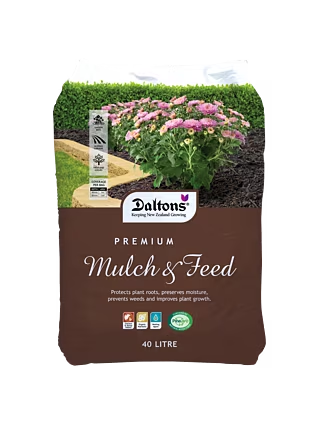
- A light layer of Daltons Premium Mulch and Feed around plants helps hold moisture in and reduces soil splash on the leaves.
Fertilising
Because Asian greens are leafy crops that grow fast, they respond well to consistent feeding.
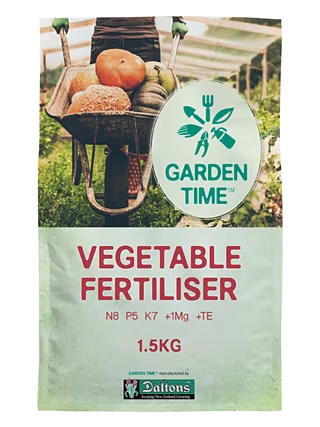
- Work a vegetable fertiliser into the soil before planting, following the pack directions.
- If growth slows or leaves look pale, apply a light side dressing of fertiliser and water it in well.
- Avoid heavy feeding with high-nitrogen fertilisers once plants are close to harvest. This can make leaves soft and more susceptible to pests.
How and When to Harvest Asian Greens
One of the best things about Asian greens is that you can harvest at almost any stage, from tiny baby leaves to mature plants. How you harvest depends on what you want and what you are growing.
Harvesting Baby Leaves
Start picking outer leaves when plants are young and tender. This works well for mizuna, mibuna, tatsoi, mustard greens, bok choy and pak choy. Regular picking encourages the plant to keep producing and extends the harvest window.
Harvesting Mature Plants
For bok choy, pak choy, choy sum and gai lan, you can let plants develop further and harvest the whole plant at the base or continue picking outer leaves as needed. Wong bok needs to form a full head before harvesting.
Tip: Once plants are mature, leaving them too long makes leaves tougher and the flavour stronger. With choy sum and gai lan, harvest before the flowers fully open for the best texture and taste.


Asian Greens Pests and Diseases
Slugs and snails
Chewed leaves, ragged holes or missing seedlings are usually a sign something is feeding on your plants. The main pest is slugs and snails, especially in damp autumn and winter conditions. They can wipe out a small planting overnight.
- Check plants in the evening or after rain and remove slugs and snails by hand where practical.
- Look around the base of seedlings, under lower leaves and in damp, sheltered spots.
- Clear old leaves and garden debris so they have fewer places to hide.
- Use a suitable slug and snail bait if needed.
White Butterfly Caterpillars and Aphids
As members of the brassica family, Asian greens can attract white butterfly caterpillars and aphids, particularly from spring through to autumn.
- Check leaves regularly, especially the undersides.
- Remove caterpillars by hand where practical.
- Look for aphids on soft new growth and leaf undersides.
- Cover young crops with fine insect netting during white butterfly season.

Common Problems and How to Fix Them
Bolting (running to seed early)
Bolting is when plants flower and set seed before you are ready to harvest. It is the most common frustration with Asian greens and is usually triggered by heat, dry soil, transplant shock or planting at the wrong time of year.
Grow Asian greens in cooler months where possible.
- Keep watering consistent. Plants that dry out are much more likely to bolt.
- Harvest young in warmer weather rather than waiting for plants to fully mature.
- Avoid buying or planting stressed seedlings, especially if they are leggy or starting to flower.
Yellow Leaves
Yellow leaves can be caused by old growth, low nutrients, poor drainage or overwatering.
Remove older yellow leaves and check the soil. If it is consistently wet, improve drainage before replanting. If plants look pale and growth is slow, apply a light feed with a vegetable fertiliser and water it in well.
Holes in Leaves
Usually caused by slugs, snails or caterpillars. Check plants closely, including the undersides of leaves and around the base of seedlings. Protect young plants early and consider insect netting for brassica crops during white butterfly season.
Poor or Slow growth
Often linked to tired soil, cold wet conditions, dry soil or overcrowding. Refresh the soil before planting, keep moisture steady, and thin seedlings so each plant has enough space. In pots, replace or refresh the mix between crops.
Quick Questions
Are Asian greens easy to grow in NZ?
Yes. Asian greens are quick-growing leafy vegetables that suit garden beds, raised beds and pots. They are easiest to grow from seedlings, especially from late summer through to early spring.
What are the best Asian greens for beginners?
Bok choy, pak choy, mizuna, tatsoi and choy sum are good choices for beginners. They grow reliably, crop quickly and can be picked young.
Can Asian greens grow in pots?
Yes. Smaller Asian greens like mizuna, mibuna, tatsoi, bok choy and pak choy grow well in pots and troughs. Use Daltons Garden Time Vegetable Mix, choose a container with drainage holes and keep watering consistent.
Do Asian greens grow through winter in NZ?
Yes. Many Asian greens grow well through winter in milder parts of New Zealand. In cooler regions, choose a sunny, sheltered spot and protect young plants from frost.
Why are my Asian greens going to seed?
They are bolting. This is usually caused by heat, dry soil, transplant stress or planting too late in the season. Keep watering consistent and harvest young in warm weather.
How often should I plant Asian greens for a regular harvest?
Plant a few seedlings every two to three weeks rather than one large crop all at once. This gives you a steadier supply of fresh leaves.