Growing Corn
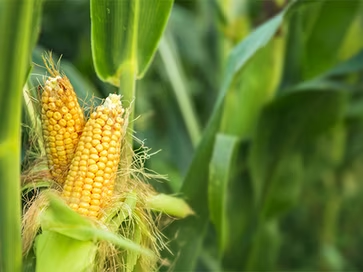
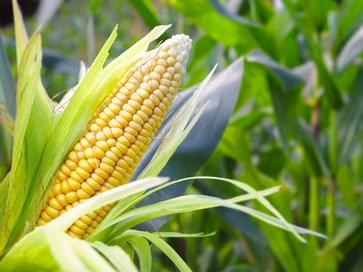
This summer I’ve grown corn in a group but unfortunately the cobs only partially fruited. Can you advise where I went wrong and what can I do better next time?
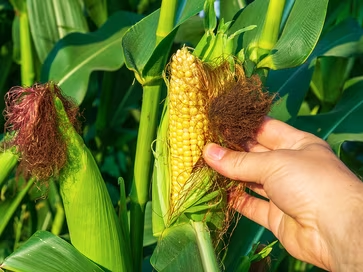
There is nothing like juicy corn cobs out of your own garden, and it’s disappointing when a crop fails. A few factors can impact your corn, resulting in partially developed cobs, such as soil, fertiliser, mulch, and watering.
- Planting Corn in Groups for Success: You’ve done the right thing by planting your corn in a group. This helps with pollination and also supports the plants as they grow. Although many think corn can grow anywhere, it needs a rich, friable (crumbly) soil. Next season, prepare the soil well before planting by adding plenty of compost and garden mix, mixing it thoroughly with the existing soil.
- Fertilising and Feeding Corn: Corn is a gross feeder and requires regular fertiliser throughout the growing season. As the plants start to grow, side dress regularly with Daltons Goldcote Vegetable and Herb Fertiliser, ensuring it is watered in well.
- Watering and Mulching for Moisture Retention: As the plants develop, water them deeply up to twice a week until the cobs mature. Regularly applying mulch will help retain moisture by reducing water evaporation, keeping the soil hydrated.
- Crop Rotation for Healthy Soil: Crop rotation is crucial when growing corn. Avoid planting it in the same spot each year, as it depletes the soil of nutrients more than other summer vegetable crops.
Guides
All Gardening Guides
Topic