Dead Patches in Lawns
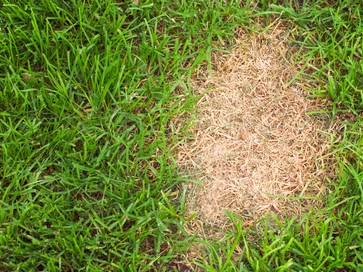
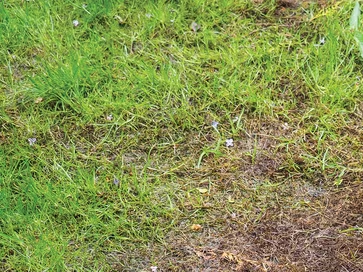
We have small patches of dead grass throughout our lawn that have been there for years. I haven’t been able to fix them. Could it be some type of fungus?
Persistent dead patches in lawns are often caused by grass grub damage, fungal disease, poor drainage, or repeated stress to the soil. If animals aren’t using the lawn as a toilet, the most likely causes are grass grub or a lawn disease affecting those areas.
During winter it’s usually best to leave the lawn alone, as grass growth is slow. The ideal time to repair lawn damage is spring, when warmer soil temperatures help new grass establish quickly.
There are two main approaches you can take.
1. Renovate the lawn completely
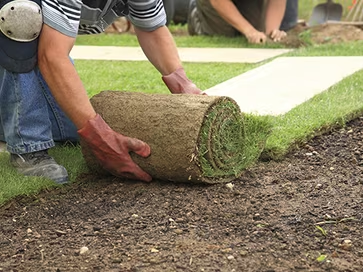
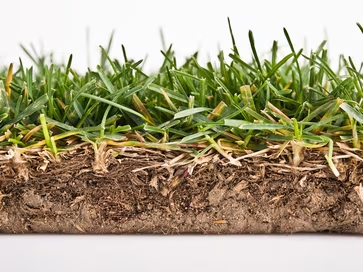
This is the more extreme option, but if the lawn is very uneven or badly affected, starting fresh can give the best long-term result. Remove the existing grass and improve the soil by adding Daltons Premium Lawn Soil, which is specially blended to improve drainage and help create a healthy base for new grass. Then sow a mix of fescue and ryegrass seed, which provides a durable lawn that looks good throughout the year.
2. Repair the affected patches
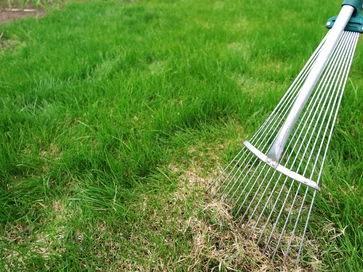
For smaller areas, remove the dead grass and soil around the patch, extending at least 15 cm beyond the damaged area. Fill with Daltons Premium Lawn Soil, then over-sow with fresh grass seed and water lightly until established.
It’s also worth checking a few other factors that commonly cause ongoing lawn problems:
- Poor drainage can weaken grass and encourage disease. Applying gypsum may help improve soil structure and drainage.
- When mowing, catch and remove clippings rather than leaving them on the lawn if disease is suspected.
Ongoing care
For ongoing lawn health, regular feeding during the growing season is important. Apply Daltons Premium Lawn Fertiliser every 4–5 weeks from October through to Christmas, then again from late February through to late April. Avoid fertilising during the hottest part of summer.
A healthy, well-fed lawn is much better able to resist pests, diseases and patchy growth.