Tackling grey mould (botrytis) on strawberries
After months of waiting patiently for my strawberries to grow and ripen, I have found grey mould on my fruit. How can I stop this happening?
Strawberries can become affected with grey mould (botrytis) which thrives in humid, damp conditions or where air circulation is poor around plants.
Where to spot it
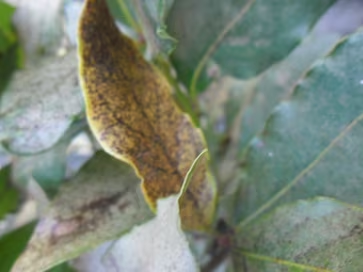
On stems and leaves you will notice dead, brown patches, and on strawberry fruit, a grey, fuzzy, fungal growth develops on brown rot. It can spread very easily and can kill the plant.
Top tips to tackle it
- Remove and destroy affected flowers, fruit, or leaves (check stalks too) immediately before the fungus has a chance to spread. Do not put them in your compost bin!
- Thin out some of the leaves to improve airflow around plants (don’t remove too many).
- Ensure there is mulch or pea straw around plants for ripening fruit to sit on (instead of bare soil).
- Check ripening fruit for any signs of the fungus and handle them gently (spores can enter via splits or damage) .
- Water plants in the morning at the crown of the plant, avoiding the leaves.
- Spray with fungicide or make up your own organic spray by adding 1tsp bicarbonate soda into a litre of water with a few drops of liquid soap.
- Garden hygiene is very important so regularly remove any dead leaves from or around the plant, and any weeds which can also harbour fungal spores.
- When planting next season’s strawberries, ensure there is adequate space around plants to promote airflow.
Find more helpful advice in our How To Grow Strawberries Guide