When to Dethatch Your Lawn
When is the best time to dethatch your lawn? And what are the benefits of doing this?
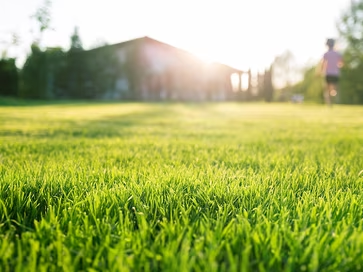
The best time to dethatch your lawn is in spring to early summer, when grass is actively growing and can recover quickly. As soil and air temperatures rise, the lawn is better able to repair itself and fill in any areas disturbed during dethatching.
Thatch is the layer that builds up between the soil and the green grass blades. It’s made up of dead stems, roots and other fibrous plant material. A small amount is normal, but in older, long-established lawns this layer can become too thick.
When that happens it can cause several problems:
- Water struggles to soak into the soil, leading to dry roots.
- Fertiliser may not reach the root zone effectively.
- In wet conditions the thatch layer can hold excess moisture, which may encourage lawn diseases.
- Poor airflow and reduced oxygen around the roots can weaken the lawn.
Dethatching removes this built-up layer and helps improve water movement, nutrient uptake and root health.
How to dethatch your lawn
You can dethatch by lightly raking the lawn to lift and remove the thatch, or by using a dethatching attachment fitted to a lawnmower if the build-up is heavier. Regular light dethatching helps prevent major accumulation over time.
After dethatching, it’s a good idea to feed the lawn to encourage fresh growth. Apply Daltons Premium Lawn Fertiliser and water it in well to help the grass recover and thicken up again.