How to Grow Plants That Prefer Acidic Soil
Some of the most beautiful garden plants thrive in acidic soil offering diverse shapes, foliage, and flowers, and also include blueberries. With the right soil mix and care, these acid-loving plants will flourish and reward you with vibrant flowers, glossy foliage, and stunning seasonal colour.
Learn how to grow and care for them in our guide below.
What are Acid-Loving Plants?
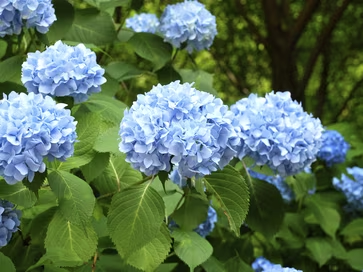
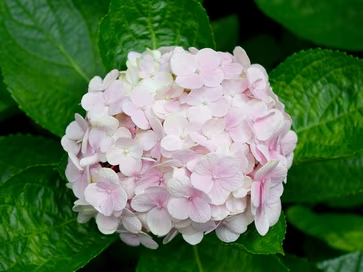
Acid-loving (or ericaceous) plants prefer soil with a lower pH, generally between 4.0 and 6.0. This acidic environment helps them take up nutrients efficiently, encouraging healthy growth and flowering. This group includes Azaleas, Camellias, Daphne, Ericas, Heathers, Pieris, Gardenias, Hydrangeas, Rhododendrons, and Blueberries – see more below.
Best Soil for Healthy Plants
Soil pH plays a big role in how your plants grow. The pH level tells us how acidic or alkaline a soil is, and this affects plant health and growth. It also influences how well plants can access nutrients and how active helpful microbes (the good guys) are in the soil.
While most Kiwi soils are naturally slightly acidic, it’s still important to prepare the ground properly.
- Use Daltons Premium Acid Mix when planting, which is specially formulated with a low pH for acid-loving plants.
- For pots or containers, this same mix works perfectly.
- Never add lime near acid-loving plants – it raises the pH and can affect their health.
As with all planting, soil preparation is critical to the successful cultivation of these plants. Daltons Premium Acid Mix is specially formulated with a low pH to meet the specific needs of acid-loving plants.
Increasing the acidity of your soil can also be achieved by side dressings of a specific acid fertiliser such as Daltons Premium Acid Fertiliser or Daltons Garden Time Acid Fertiliser.
It's crucial to note that lime should never be added to soil near acid-loving plants, as it can counteract your efforts to create the desired acidic environment.
Most acid-loving plants prefer a cool root run, and this can be achieved by mulching around individual plants or planting into beds well prepared with plenty of Garden Time Compost. Finish off with a layer of Premium Mulch & Feed, pea straw or other organic materials on top to retain moisture and regulate soil temperature.
What Is Soil pH?
The pH scale measures how acidic or alkaline a substance is, and in this case soil, based on the amount of hydrogen it contains.
This scale ranges from 1 to 14: 1 is extremely acidic, 7 is neutral, and 10 or higher is very alkaline. For example, peat bogs can have a pH as low as 3, while desert soil can be as high as 10 or 11.
Acid-loving plants thrive in soil with a lower pH, usually between 4 and 6. This specific range helps these plants grow their best.
Improving Soil Acidity
If you’re planting an acid loving plant into an existing bed and need to lower the pH:
- Apply Daltons Premium Acid Fertiliser or Garden Time Acid Fertiliser as a side dressing during the growing season.
- Use Garden Time Compost to add organic matter and improve soil structure.
- Mulch well with Daltons Premium Mulch & Feed, pea straw, or other organic materials to keep roots cool and conserve moisture.


Varieties to Grow
You'll be surprised at how many plants, trees, shrubs, and perennials prefer to grow in acidic soils. If you're looking to make the most of your garden's acidic conditions, some wonderful acid-loving plants to consider that can thrive throughout New Zealand are:
| Flowering Shrubs & Small Trees | Edibles |
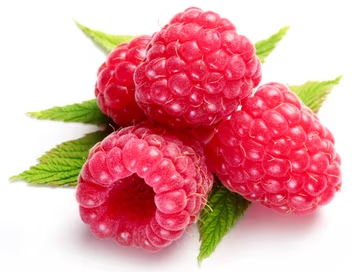
| Blueberry (Vaccinium spp.) - needs acidic soil for healthy growth and fruiting |
| Ornamental Trees | |
| |
| Groundcovers & Shade Plants | |
|
When to Buy Plants
New stocks of acid-loving plants become available at your local garden center anywhere from May onwards, just in time for planting in the garden during late autumn or early winter.
Choose healthy plants with strong roots and no signs of stress or disease.

Planting in the Garden
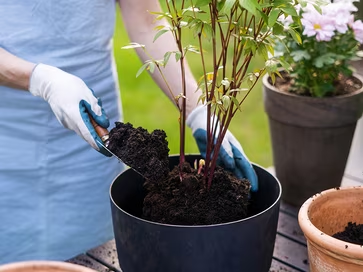
Soil preparation is key to growing healthy acid-loving plants. Use Daltons Premium Acid Mix, specially formulated with a low pH to support these plants' unique needs.
- Prepare your hole with Daltons Premium Acid Mix and water in well.
- Space plants to allow good airflow and reduce fungal issues.
- Mulch around the base with organic materials like Daltons Premium Mulch & Feed or pea straw to retain moisture and regulate soil temperature.
- Add Garden Time Compost to enrich the soil and promote a cool root run.
To maintain the right soil conditions, apply Daltons Premium Acid Fertiliser or Garden Time Acid Fertiliser as a side dressing during the growing season. Avoid using lime, as it raises the pH and can harm acid-loving plants.
Growing in Pots
Containers are a great choice when garden soil is too alkaline.
- Use Daltons Premium Acid Mix in your containers.
- Keep the mix evenly moist – avoid letting it completely dry out or become soggy.
- Feed regularly with a liquid acid-loving fertiliser, or use a controlled-release option suited for these plants.
Plants like hydrangeas, azaleas, and daphne thrive in pots and offer vibrant, long-lasting colour when well cared for.
Issues
Yellow foliage: Some acid-loving plants suffer from a yellowing of the foliage (leaves). This can usually be quickly rectified by applying flowers of sulphur around the base of the plant.
Gardening Terms Explained
Root run: Space or area where roots will grow.
Side dressing: Means to apply fertiliser to the soil on or around the sides of the plant.