How to Start a Garden from Scratch (For Newbie Gardeners)
Starting a garden from scratch can feel overwhelming, but with the right steps, it's incredibly rewarding. With the right setup, you can successfully grow plants in-ground, in raised beds, or in containers.
Step 1: Assess Your Space
Start by looking at the space you have available and how you want to use it. Be realistic about how much time and energy you can devote to your garden long term. A low-maintenance garden can still look great and be productive, so choose plants and a layout that suit your lifestyle.
Pay attention to the conditions in your garden, as sun, shade, wind, and shelter will all affect what will grow well.
- Sunlight: Most vegetables, herbs, and flowers need at least 6 hours of full sun a day. Roses also prefer a sunny spot, while shade-loving plants such as hostas and ferns are better suited to dappled light or morning sun.
- Shelter: Avoid exposed, windy spots where possible. If your garden is quite open, containers can be a good option as they are easier to move into a more sheltered position.
- Water access: Easy access to a tap or hose will make watering and ongoing care much simpler.
- Size: Start small. A manageable area is easier to look after and helps build confidence without becoming overwhelming.
- Garden access: Make sure you can move around beds or planters easily without compacting the soil or damaging plants.
Step 2: Choose Your Garden Type
Once you understand your space, you can decide what type of garden will work best.
In-ground garden beds
- Best for larger areas.
- Allows deep root growth and long-term planting.
- Requires good soil preparation.
Raised garden beds
- Ideal if your existing soil isn’t great.
- Better drainage and easier to manage and access.
- Warmer soil temperatures.
Containers and pots
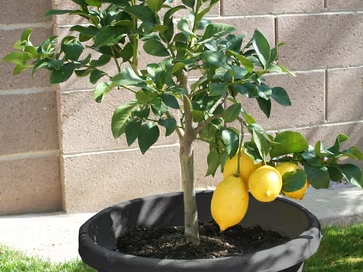
- Perfect for small spaces like patios or balconies.
- Moveable and flexible.
- Needs more regular watering and feeding.


Step 3: Understand Your Soil
Good soil is the absolute foundation of a successful garden. Knowing what sort of soil you have will help you choose the right plants and improve growing conditions before you start planting.
You can buy soil test kits from most garden centres. For a quick check at home, squeeze a handful of damp soil:
- Heavy / clay soil: Sticky when wet and likely to crack as it dries. Adding compost helps open up the soil and improve drainage.
- Light / fine soil: Drains quickly and warms up fast, but can struggle to hold moisture and nutrients. Adding compost helps improve structure and increase water-holding capacity.
Step 4: Prepare Your Soil or Fill Your Bed
For in-ground gardens:
- Remove any weeds and grass.
- Loosen the soil to a spade’s depth.
- Mix in Daltons Compost and Daltons Garden Mix to enrich and improve soil structure.
- For an added nutrient boost, mix in Daltons Garden Time Chicken and Sheep Pellets.
For raised beds and containers:
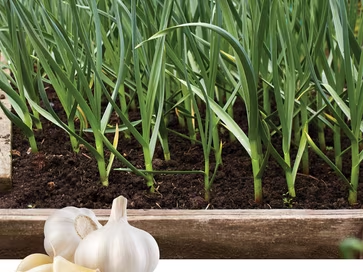
- You can purchase pre-made raised bed kits or build your own.
- Fill with a combination of Daltons Garden Time Compost and Daltons Premium Garden Mix, blended well to create a healthy base for planting.
- You can also get Daltons Premium Garden Mix in bulk at your local Daltons Landscape Supplies Yards.
For containers:
- Fill containers with high-quality mix, like Daltons Premium Potting Mix – specially formulated to prevent soil from drying out too quickly.
- Learn more in our How to Grow in containers guide.
Step 5: Choose What to Grow
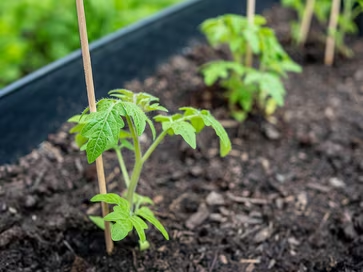
Start with reliable, easy plants that suit the season and your level of experience - use our planting guides to help you plan what to grow and when.
You can begin with either seedlings or seeds, depending on what you want to grow and how confident you feel.
- Seedlings are the easiest option for beginners because they give you a head start and are quicker to establish.
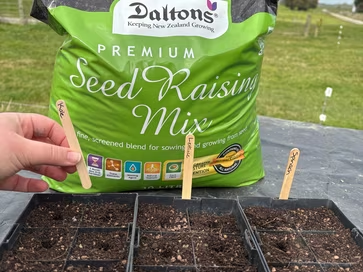
- Seeds are a good low-cost option and work well for crops that are usually direct sown, such as carrots, radishes, and lettuce. Make sure you use a specific seed mix like Daltons Premium Seed Raising Mix to give them the best start. Read our Seed Sowing Guide for step by step advice.
Easy plant choices to start with include:
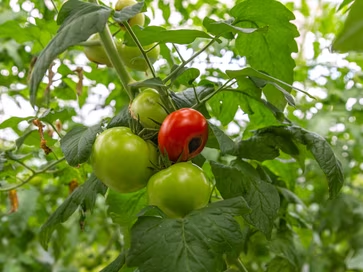
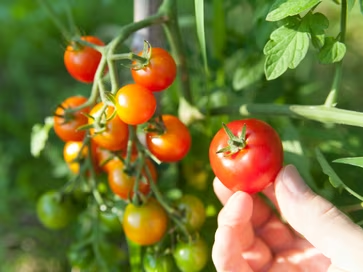
- Veggies: Dwarf beans, lettuce, peas, silverbeet, spinach, radishes, carrots, spring onions
- Herbs: Parsley, basil, chives
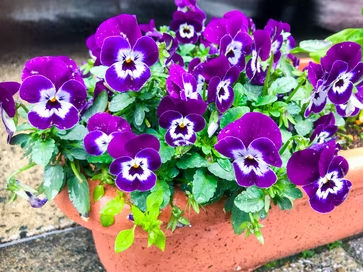
- Flowers: Marigolds, calendula, cosmos, pansies (great for pollinators!)
Step 6: Plant & Care
- Follow spacing guidelines on seed packets or plant labels.
- Water gently and consistently (especially in containers).
- Mulching around plants and on top of containers with Daltons Premium Mulch & Feed will protect soil, retain moisture and reduce weeds.
- Feed plants with Daltons Fertiliser suited to your crop (e.g. vegetable, flower, or container-specific). Using controlled release or slow release fertilisers saves you money - you don’t have to apply them as often and are easy, stress-free to apply. Learn more about fertilisers in our guide.
Step 7: Enjoy, Learn & Grow
Gardening is about progress, not perfection. You’ll learn what works best in your garden as you go. Don’t be afraid to experiment and make notes.

Common Questions About Starting a Garden
What is the easiest way to start a garden at home?
Start with a small, sunny space, improve your soil, and choose easy, seasonal plants.
Can I start a garden in pots or containers?
Yes. Containers are ideal for small spaces and are easy to manage and move.
Do I need good soil to start a garden?
Yes. Improving your soil is one of the most important steps for healthy plant growth.
What should beginners plant first?
Leafy greens, herbs, and fast-growing vegetables are great starting points.
Gardening 101 Terms Explained:
Annuals: Plants that complete their life cycle in one season (e.g. lettuce, marigolds).
Perennials: Plants that live for many years and often flower annually (e.g. chives, lavender).
Mulch: A layer of material (e.g. bark, straw) placed on the soil surface to retain moisture, suppress weeds, and regulate temperature.
Compost: Decomposed organic matter added to soil to improve fertility and structure.
Drainage: How well water moves through the soil. Important to prevent waterlogged roots.
Tilth: The physical condition of soil - specifically, how loose, crumbly, and workable it is.
Fertiliser: A substance added to soil or plants to supply nutrients for growth.
Side-dressing: Applying fertiliser or compost alongside (not directly on) your plants -usually near the base to give them a boost while they’re growing.
Deadhead: The removal of finished / dead flowers.