How to Grow Tomatoes
There's nothing like a juicy red tomato fresh from your garden! With a variety of options available, you can find the perfect types to match your taste and space. Read our expert tips for planting, caring for, and protecting your tomatoes for a bountiful summer harvest.

Selecting the Right Variety
When purchasing tomatoes, always choose vigorous, healthy-looking young plants and look for disease-resistant varieties like Mortgage Lifter or Tommy Toe.
Categories of Tomatoes
Tomatoes are either determinate (bush) or indeterminate (vining).
- Determinate varieties (dwarf/bush) grow to a set height, have a shorter season, and produce all their fruit at once. They are ideal for containers or caging and don’t usually need staking. Examples include Roma and Scoresby Dwarf.
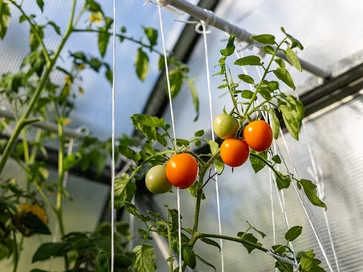
- Indeterminate varieties (tall) grow like vines and need support. They fruit continuously throughout the season and are more productive, typically bearing fruit until early autumn.
| Type | Varieties to try | Taste | Approximate Growth Height | Determinate or Indeterminate |
| Acid-free | Roma | Milder flavour, perfect for sauces | 60–90 cm (0.6–0.9 m) | Determinate |
| Large eating | Beef Steak, Big Beef, Money Maker, Mortgage Lifter, Oxheart | Juicy and meaty, great for slicing | 150–180 cm (1.5–1.8 m) | Indeterminate |
| Cherry Ideal for compact spaces, baskets or containers/pots. | Cherry, Black Cherry, Gardener’s Delight, Gold Nugget, Sweet Bite / Sweet 100, Tommy Toe, Yellow Sweet Gold | Sweet and flavourful. Perfect for snacking or salads. | 150–180 cm (1.5–1.8 m) (Gold Nugget: 60–90 cm) | Indeterminate (except Gold Nugget: Determinate) |
| Grafted tomatoes Known for their higher yields and resilience compared to regular non-grafted varieties. | Many varieties available, try Dynamo, Grosse Lisse, Russian Red | Varies by variety, generally flavoursome | Typically, 150–180 cm (1.5–1.8 m) | Varies (depends on the variety) |
| Heirloom Traditional varieties passed down through generations, known for their unique diverse flavors, unusual shapes, and vibrant colors. | Black Krim, Bloody Butcher, Burbank Tangella, Mortgage Lifter, Oxheart, Siberian Heirloom (ideal for colder climates), Watermouth | Distinctive flavours; unique colours like black, yellow, or green | 150–180 cm (1.5–1.8 m) (Siberian Heirloom: 60–90 cm) | Indeterminate (Siberian Heirloom: Determinate) |
| Dwarf Compact and don’t require staking. | Russian Red, Roma, Scoresby Dwarf | Sweet and mild | 60–90 cm (0.6–0.9 m) | Determinate (compact, no staking required) |
Ideal Planting Conditions
Choosing the right site for tomatoes is crucial for growing healthy plants.
Soil
- Tomatoes are quite particular about soil conditions, preferring rich, well-drained soil.
- Tomatoes will not grow well in heavy/clay or wet soils so if yours is poor, add Garden Time™ Compost and or Garden Time™ Tomato Mix to improve drainage. Alternatively, consider growing your tomatoes in raised beds or containers.
Site & Sun
- A north-facing site is ideal as they grow better in a sunny location – the more sun the better tasting the tomato is!
- Tomatoes do not like strong winds and require shelter so, when planting, make sure it’s not an extremely windy position.
- Air circulation around and between plants is important to help discourage disease.
Crop Rotation
- Growing tomatoes in the same position each year depletes the soil of specific nutrients the plant needs to grow well. It’s best to change their position in the garden next season. See our How to Practice Crop Rotation Guide.
- If you have a lack of space in your garden to rotate crops, add extra organic matter such as compost to replace the depleted nutrients.


Prime Planting Time
Tomato planting times depend on where you live.
- For most of the country the best time to plant out is around Labour Weekend (late October), but those in warmer Northern regions, you can plant tomatoes from September.
- In colder regions, leave planting until early-mid November.
- Tomatoes can be grown earlier under cloches or raised, glass house, in a sheltered spot in pots – just ensure you protect them from any potential frosts.
Staking Plants
- In the Garden: Set your support stakes or structures in place before planting to avoid disturbing the plant's root system later. Recycle old pantyhose to tie plants to supports—this soft material won’t damage the stems.
- In Containers: It’s trickier to stake plants in containers, so consider growing shorter, more compact varieties like Roma or bush/dwarf varieties like Russian Red.
Planting Tomatoes in Raised Beds and Gardens
Step by step planting.
- Before planting, mix in plenty of Garden Time™ Compost or 7in1 Compost to enrich the soil and enhance moisture retention.
- Lightly compact the soil by hand and water thoroughly.
- Set your stakes in the garden according to the spacing guidelines below.
- For standard varieties, space plants approximately 60–70 cm apart; grafted varieties need at least 1 metre between them.
- Create holes next to each stake and add in Garden Time™ Tomato Mix.
- Plant the seedling into the mix and press down lightly to secure it.
- Water and finish with a layer of Daltons Premium Mulch & Grow on top to help retain moisture.
Planting Tomatoes in Containers
If space is limited and you can grow tomatoes in pots, but choosing the right size is essential for success.
- Select pots that are at least 30 cm in diameter and use a good quality potting mix (see below).
Plant only one tomato plant per pot to give it ample room to spread roots and receive adequate water and nutrients.
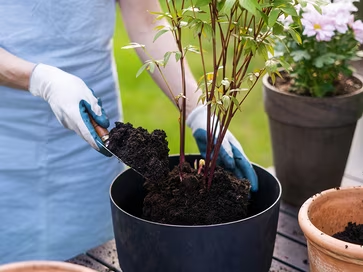
Step by step planting.
- Fill the container with Garden Time™ Tomato Mix or Daltons Premium Potting Mix.
- Compact lightly by hand and water to see how the mix settles.
- If necessary, top up, keeping the mix level 2-3 cm below the pot’s edge.
- Add a layer of Daltons Premium Mulch & Grow on top to lock in moisture.
- Place containers in a warm, sheltered spot with plenty of sunlight and protect them from frost.


Feeding and Watering
Tomatoes require plenty of nutrition and water.
Fertiliser
- Once small fruits appear, apply Garden Time™ Tomato Fertiliser or 7in1 Tomato Fertiliser and water in well.
- For strong, healthy plants and a bumper crop, feed your tomatoes every 3-4 weeks throughout the growing period.
Watering
- Tomatoes need a lot of water, especially during fruiting. The key is consistency!
- Give plants deep watering three times a week—water until it puddles at the base around your mulch, indicating the soil has reached its water-holding capacity.
- Always water the roots and avoid wetting the leaves, as this can encourage fungal diseases.
- Keep the soil moist but not wet.
- Regular watering is crucial during dry summer months, and adding mulch helps conserve moisture.
General Care and Maintenance
Lateral Removal
Laterals are shoots that appear between the junction of a leaf and the stem. To create a strong tomato plant with good structure, remove laterals from the stem up to at least one metre from the ground and keep removing them until the plant reaches around 1.3-1.4 metres tall.
Use sharp, clean secateurs when pruning.
Note: You don’t need to remove laterals on dwarf varieties.
Mulching
Always maintain a good layer of mulch around your plants, especially in summer, to retain moisture, add nutrition, and suppress weeds.
Removal of Finished Plants
At the end of the season, dig up plants and remove them from the property to prevent harbouring pests or diseases that could re-infect your garden next year.


Pests and Diseases
Tomatoes are susceptible to many pests and diseases, making soil preparation, crop rotation, good ventilation, and a timely spraying and feeding program essential.
- Blight (Early or Late): This common fungal disease thrives in warm, wet summers. Late blight appears later in the season, causing wilting and dark spots, leading to leaf drop. At the first sign, spray with Copper Oxychloride every 10-14 days. Remove and dispose of infected leaves and plants (do not compost) to prevent re-infection.
- Pests: Whitefly and green shield bugs love tomato plants! Spray thoroughly with neem oil, ensuring good coverage on the plant and under the leaves. Repeat weekly until there are no further signs of pests.
- Tomato Psyllids: Resembling tiny black cicadas with two white stripes, psyllids are similar in size to aphids. Watch out for stunted growth, curling or yellowing leaves, and sugar like granules on the plant or ground. Spray with neem oil as per above.
Top Tip: Diseases can enter through freshly pruned areas or where plants rub against stakes. To prevent this, apply Copper Oxychloride as a deterrent.