How to Grow Ornamental Trees and Shrubs
Ornamental trees and shrubs bring structure, shade, privacy, seasonal colour and year-round interest to the garden. They can frame a view, soften boundaries, hide less attractive areas, or create a beautiful backdrop for the rest of your planting.
Planning & Plant Selection
Ornamental trees and shrubs are grown for their flowers, foliage, scent, bark, shape, or decorative fruit. They add beauty, structure and seasonal interest to gardens and landscapes.
but autumn and winter are the best times to plant many ornamental trees and shrubs.
Best Time to Plant
Garden centres usually have a good selection available year-round, but autumn and winter are ideal for planting many ornamental trees and shrubs in New Zealand, giving them time to settle in before spring growth.
Top Tips When Choosing Plants:
- Choose plants that suit the look and feel of your garden. Similar foliage colours, flower tones, textures or forms can help everything feel more connected.
- Buy for the space you have, not just the plant you love on the day.
- Select fresh, healthy stock where possible. Older plants can sometimes be root bound and may not establish as well.
- Check the mature height and spread before you buy. A plant that starts small can quickly outgrow the wrong spot.
- Look around your neighbourhood for clues on what grows well in your local conditions.
- Ask your local garden centre or nursery for advice if you are unsure. For larger plans, a landscape designer can also help.
Trees
Trees are often the largest and longest-living plants in the garden, so it pays to choose carefully. The right tree in the right place can add shade, structure, seasonal colour and a strong focal point for many years.
Size and Suitability
Check that the tree suits your region, soil type, sunlight, shelter, drainage and available space. Always look at its mature height and spread before planting, and note whether it is deciduous (leaves drop in autumn) or evergreen.
Garden Design
- Use trees as living features to draw the eye, create shade, frame a view, or add height and structure.
- Plant them on their own as a focal point, or in layers with shrubs and other plants to bring depth, texture and seasonal interest.
- Trees can also support biodiversity by providing food, shelter and habitat for birds, bees and beneficial insects.
Varieties to consider:
- Acer palmatum ‘Ō-kagami’ (Japanese maple)
- Ackama rosifolia (makamaka)
- Alectryon excelsus subsp. grandis (Three Kings tītoki)
- Fraxinus griffithii (Himalayan ash / evergreen ash)
- Magnolia ‘Black Tulip’
- Prunus serrulata ‘Shimidsu-sakura’ (Japanese flowering cherry)
Shrubs
Shrubs are hardworking garden plants, bringing flowers, fragrance, foliage, colour and texture. Use them to create structure, form hedges, frame an entrance, soften boundaries, or layer through garden beds with trees, perennials and groundcovers.
What Shrubs To Choose
Shrubs come in many varieties that differ in size, shape, and colours. Plant different types to provide flowers or foliage interest each season, even in the dark depths of winter!
- Choose shrubs that suit your region, garden size, soil and sunlight levels. Mixing different varieties is a lovely way to keep the garden interesting through the seasons, with flowers, foliage and form adding something special even in winter.
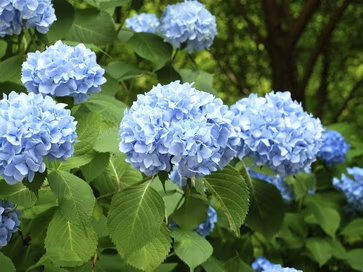
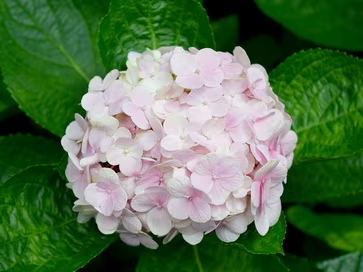
- Before planting, check what each shrub needs. Some, like azaleas and hydrangeas, prefer acidic soil, while others need free-draining conditions or a little shelter from wind.
- Many shrubs also attract birds, bees and butterflies. Hebes, for example, are a great choice for bringing pollinators into the garden.
Low Maintenance Shrub Varieties
Low maintenance shrubs are perfect for gardeners who want a beautiful garden without the constant need for attention. Some evergreen shrubs to try are:
- Brunfelsia pauciflora "Eximia" (Yesterday, Today and Tomorrow)
- Camellia Nicky Crisp
- Corokia 'Emerald and Jade'
- Eroiostemon ‘profusion’ (Wax flower)
- Ilex crenata (Japanese Holly)
- Lavendula dentata (French lavender)
- Royena lucida
- Westringia fruticose (Grey Box)
Practical Planting Trees and Shrubs
In addition to their decorative qualities, trees and shrubs can also be used practically:
- As windbreaks to protect other plants, animals, or outdoor spaces.
- To create a barrier between your home and the road or mark the boundary of your property.
- As hedges to create structure in your garden or provide privacy.
- Improve or disguise unsightly views or areas in your garden.
Some varieties to try are:
- Ficus Tuffy
- Laurus nobilis (Bay Leaf / Bay Laurel)
- Olearia paniculata (Akiraho)
- Photinia ‘Red Robin’
- Prunus lusitanica (Portuguese laurel)


Planting in the Garden
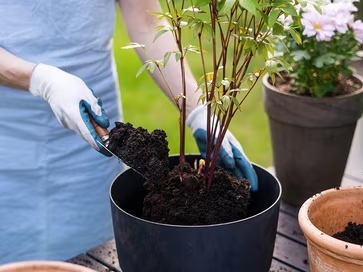
- Prepare the site by digging a hole twice as wide and about as deep as the container or planter bag.
- Mix Garden Time™ Compost and Enriched Garden Mix into the soil from the hole, then add a Daltons Premium Planter Tabs as directed.
- Create a small mound in the centre of the hole for the rootball to sit on.
- Position the plant so the base of the trunk or stem sits slightly above the surrounding soil level to help prevent water pooling and rot.
- Backfill around the rootball and gently firm the soil.
- Apply a generous layer of Daltons Premium Mulch & Feed, keeping it clear of the trunk or stem.
- Water thoroughly after planting, then keep watering regularly while the plant establishes, especially during dry spells.
Growing in Containers
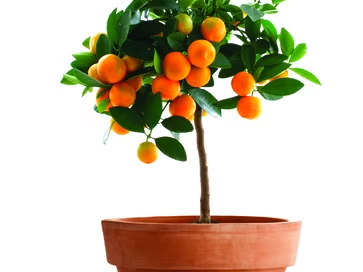
Many shrubs and some smaller trees grow well in containers, making them useful for patios, entrances, decks and smaller spaces.
- Beaucarnea recurvata (Ponytail Palm)
- Laurus nobilis (Bay Leaf / Bay Laurel)
- Ligustrum japonicum "Rotundifolia"
- Philodendron ‘Xanadu’
- Phoenix roebelenii (Dwarf Date Palm)
- Xeronema callistemon (Poor Knights Lily)
Factors to Consider when Growing in Containers
- Choose a container large enough for the plant’s root system.
- Position it where the plant gets the right amount of sun, shelter and airflow.
- Make sure the pot has good drainage holes.
- Use a quality container mix, such as Daltons Premium Potting Mix.
- Water regularly, especially during dry periods.
- Top dress with fertiliser during the growing season.S