How to Grow Onions
Onions are a versatile and rewarding crop for any garden space. With a long growing season, they do require a little patience but deliver excellent flavour and long storage potential. Read on for practical advice on growing onions successfully at home.

Selecting the Right Variety
When selecting seed or seedlings to grow in your garden, talk to your local garden centre staff for advice on what variety is best to grow in your area. The onions you buy at your local supermarket are often not named and cannot be grown in various parts of New Zealand.
Varieties to Grow
Onions vary in ripening time (maturity), size, colour, shape, and flavour - ranging from strong to mild. Generally, early maturing onions do not keep as well as the late-season varieties.
Early-season onions: (Mature faster, ideal for early harvest)
- Early Long Keeper – A great storage onion that matures earlier than other brown varieties.
- Red Shine – A quick-maturing red onion with a mild flavour, great for fresh use.
- Tokyo Long White (Spring Onion) – A fast-growing variety ideal for harvesting in 8–12 weeks.
Mid-season onions: (Balanced between early harvest and good storage life)
- Californian Brown – A strong-flavoured onion that matures mid-season with good storage potential.
- Red Brunswick – A mid-season red onion with a slightly spicy flavour, excellent for salads.
- Evergreen Bunching (Spring Onion) – A long-standing variety that grows well throughout the season.
Late-season onions: (Longer growing time, best for long-term storage)
- Pukekohe Long Keeper – The best main crop variety, the classic New Zealand brown onion has excellent storage once harvested.
- Californian Red – A late-maturing red onion with good flavour and storage properties.
- Ishikura (Spring Onion) – A later-maturing spring onion variety that can be harvested at different stages.
For an extended onion harvest, plant a mix of early, mid, and late-season varieties.
Ideal Planting Conditions
Onions grow best in a sunny location with well-draining soil that has been prepared with plenty of compost. They need an open space with good airflow and should not be planted in heavy clay or poorly drained areas. Raised beds or containers are also great options. Cultivation is identical, for both red and yellow onions.
Prime Planting Time
Generally, onions can be sown from March to September, depending on the variety. Seeds sown in late autumn or early winter have a better chance of maturing before summer, reducing the risk of bolting.
Spring onions
Spring onions can be planted in spring and autumn.
- To ensure a regular supply, new spring onions should be planted every 3-4 weeks.
- They also grow well in pots and containers – be sure to use a good mix such as Daltons Premium Potting Mix to ensure the best drainage and nutrients.
Planting in the Garden
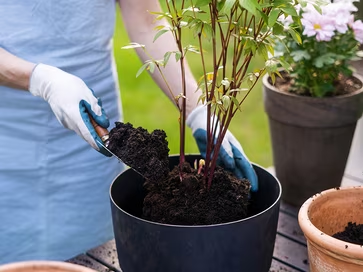
- Prepare the soil by working in plenty of Daltons Compost and Premium Garden Mix to improve structure and drainage.
- Sow onion seeds directly into the garden or you can sow them into trays (with Daltons Premium Seed Mix), for transplanting later.
- Space seeds or seedlings 5-10cm apart, with 30-40cm between rows for good airflow
- Water gently after planting and keep the soil moist but not waterlogged.
- Apply mulch around seedlings to help retain moisture and suppress weeds. Do not mulch over seeds as they need time to grow first.
- Thin seedlings as they grow. Top tip: using the early thinned seedlings as spring onions!

Harvesting Onions
- Onions take approximately 6-8 months to mature, with harvesting typically from late summer to early autumn.
- When the tops begin to yellow and fall over, stop watering and wait 7-10 days before pulling them up.
- Loosen the soil around the bulbs and lift them carefully to avoid bruising.
- Spring onions take around 8 weeks to mature.
Storing and Drying Onions
To store onions successfully, they must be properly cured and kept in a well-ventilated space to prevent rot and extend shelf life.
- Curing is essential – Lay onions out in a warm, dry, and well-ventilated area for 2–3 weeks until the outer skins are papery and the necks are fully dry.
- Plaiting (braiding) – A traditional and effective way to store onions. It works best for soft-neck varieties like shallots or some red onions. The flexible stems can be woven together and hung in a cool, dry, and airy space for easy storage.
- Trimming and storing – If not plaiting, trim the tops and roots, then store onions in mesh bags, baskets, or wooden crates in a cool, dark, and well-ventilated spot. Avoid plastic bags, as they trap moisture and cause rot.
- Brown onions store best, often lasting several months when properly cured and stored.
Fertilising
- Onions benefit from light feeding during their growing season. Use Daltons Premium Bulb Fertiliser every 4-6 weeks, ensuring it is watered in well.
- Avoid overfeeding with nitrogen-heavy fertilisers, as this can encourage excess leaf growth at the expense of bulbs.
Watering
- Onions need consistent but moderate watering, particularly during dry spells.
- As they near the end of their growing season, ease off on watering to help the bulbs dry and harden for better storage.
- Be careful not to overwater – onions don’t like soggy soil, and too much moisture can lead to rot.
General Care and Maintenance
- Weed around your onions regularly to prevent competition for nutrients and space.
- Apply Daltons Premium Mulch & Grow to help suppress weeds.
- Avoid excessive handling of the leaves, as this can impact bulb development.

Pests and Diseases
Bolting (Going to Seed Early)
Bolting occurs when onions experience temperature fluctuations. Planting at the correct time and using bolt-resistant varieties can help.
Rust and Fungal Issues
- Avoid planting onions in poorly drained soil, as this increases the risk of fungal diseases.
- Improve airflow by spacing plants correctly and avoiding overhead watering.
- Remove any affected leaves and dispose of them away from the garden.
Aphids
Small pests that can damage onion foliage. Learn how to treat them.