How To Grow Houseplants Guide
Indoor plants bring life, texture, and personality to your home. They brighten up spaces, soften interiors, and even help improve air quality. Whether you’re filling an empty corner with a bold statement plant or grouping different varieties together for a lush indoor jungle, there’s a houseplant to suit every home and lifestyle.
Products to try - Where to Buy


Indoor Environments
Growing plants indoors is different from outdoor gardening. An inside environment very much considerably in temperature, humidity, and light.
Temperature
In many homes, the temperature not only varies during the seasons but also varies considerably during the day and night.
- Windowsills can become very cold overnight, particularly in winter so move plants away, especially if you live in colder climates.
- Avoid placing them near heat pumps, fireplaces, or cold drafts, as extreme conditions can stress the plant.
- Many tropical houseplants, like Monstera deliciosa, thrive in warmer conditions and may need to be moved to a warmer spot during winter.
Humidity
Most houseplants enjoy a humid environment (amount of water vapour in the air), but indoor heating can dry out the air.
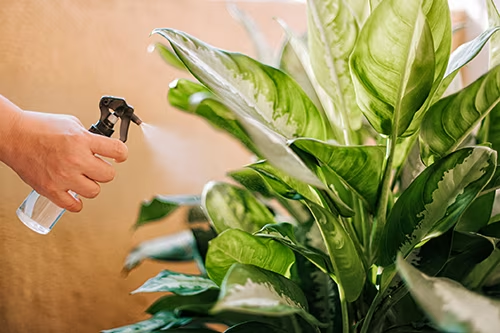
Increase humidity around your plants by misting their leaves with lukewarm water, placing them in naturally humid areas (like bathrooms), or grouping them together to create a microclimate.
Light
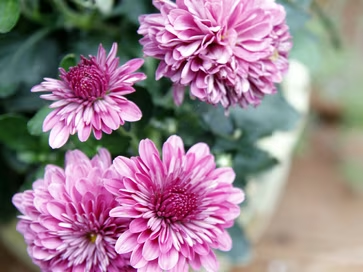
Light is one of the most important factors for growing healthy houseplants. Green leaved foliage plants generally prefer shade, while plants with coloured leaves generally prefer full light. Flowering houseplants such as chrysanthemums thrive with exposure to sunlight. No plants should be placed up against windows facing the sun as the foliage will burn very quickly.
A general guide:
- Green-leafed foliage plants prefer indirect or dappled light.
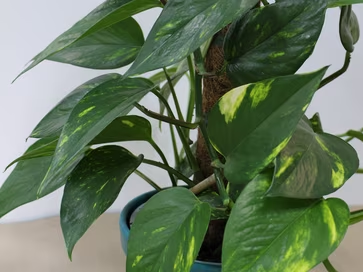
- Plants with colorful or variegated leaves thrive in brighter conditions.
- Flowering houseplants need good natural light to bloom.
- Avoid placing plants too close to sun-facing windows, as direct sunlight can scorch their leaves.
Other Important Factors
Some other factors that are critical to successfully growing houseplants are:
Pots and Planters
There are many different types of pots and planters to suit your style, metal, potter, ceramic or plastic. Always ensure the planter is big enough for the plant to grow in to before it needs repotting - but not too large. A rule of thumb is to repot into a pot one-to-two sizes larger than the existing container. This avoids "overpotting" which runs the risk of overwatering due to the increased water-holding capacity of the larger pot.
Drainage
Poor drainage kills a fair percentage of houseplants. Modern potting mixes like Daltons Premium Houseplant Mix provide well-drained growing medium. However, drainage holes in pots/planters are often very small and quickly become blocked. Be sure to check the size of the holes in the container before purchasing a houseplant.
General Maintenance
Leaf Care
With large “glossy” green-leaved houseplants such as Fiddle Leaf Fig, clean the leaves regularly with a soft sponge. This removes dust and can dislodge young insects that may be attracted to various houseplants.
Repotting
This does not have to be carried out too frequently - only when roots appear through the draining holes in the pot, and/or older plants leaves take on a yellowing colour. Late spring/early summer is the best time to repot as there is optimum new root growth at this time. Most modern potting mixes contain slow-release fertilisers so repotting often reinvigorates growth in older houseplants.
Deadheading Flowering Indoor Plants
Regularly remove dead/finished flowers to encourage continuous succession flowering.
Watering Houseplants
- Indoor plants are often overwatered, underwatered or irregularly watered! The amount of water a houseplant requires varies according to the species, time of year and conditions inside of the home.
- Always water with tepid water (lukewarm), especially over winter and observe the plants response to the amount of water that is applied. A simple guide is to never water plants when the soil is still wet.
- Always water early in the day so the plant can absorb the moisture throughout the day before the temperature drops in the evening.
Feeding Houseplants
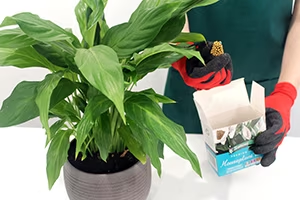
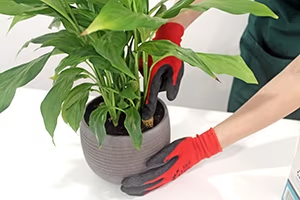
- Fertilise only during the growing season (spring and summer) with Daltons Premium Houseplant Tabs.
- Pale green leaves often indicate a nutrient deficiency, especially low nitrogen.
- For long-term houseplants like large leafy greens, a spring feed should be part of routine care.
| 
|
Orchids
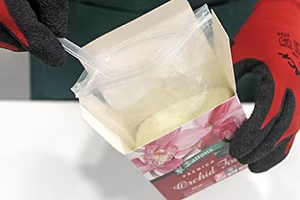
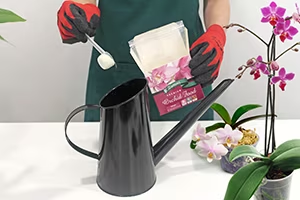
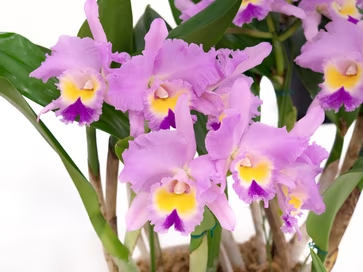
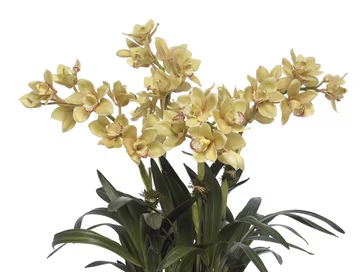
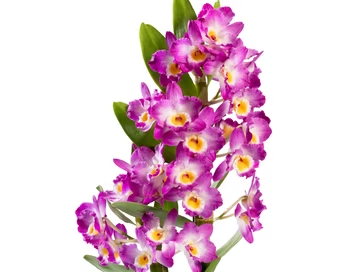
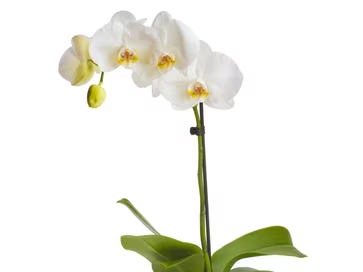
Never overwater or leave orchids sitting in water as their roots can rot. Water them two-three times a week during warmer months when the potting mix has dried out. Orchids prefer their fertilisers delivered in a liquid form during the growing season. Use a good quality fertiliser like Daltons Premium Orchid Food. Mix with water and apply to the plant, avoiding any foliage.
| 
|
Cacti
Cacti and succulents need to be well watered in spring and summer. During the winter months, when cacti and succulents are dormant, watering should be decreased. Fertiilise as per above with Daltons Premium Houseplant Tabs.
Potting or Repotting House Plants
- The best time to pot up is in spring/early summer when there is plenty of new root growth and temperatures are warmer.
- If your houseplants are rootbound (roots appear through drainage holes), and/or leaves turn a yellow colour, then it may be time to replant it into a larger container.
- Always choose a container that’s big enough for the plant to grow into - one that is one-to-two sizes larger than the existing pot is best.
- Poor drainage can kill houseplants so check your container has drainage holes and use free-draining potting mix like Daltons Premium Houseplant Mix. If your container doesn’t have drainage holes, add some small stones or gravel to the bottom of the container before adding the potting mix, so the plant roots won’t constantly sit in water.
- When potting up a new plant, always read the plant label carefully, following any specific instructions. As a guideline, here are some best practice steps for planting up your houseplant
Image
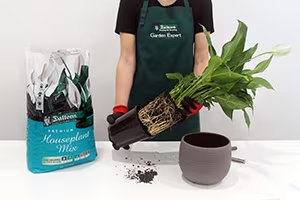
| 1. Ensure the plant is thoroughly moist before potting or repotting |
Image
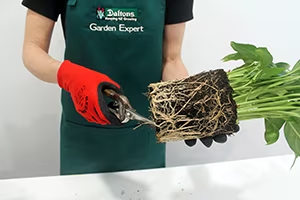
| 2. Trim any damaged or tangled roots and loosen up the root ball and clean off the top 1cm of the old mix to eliminate any weeds. |
Image
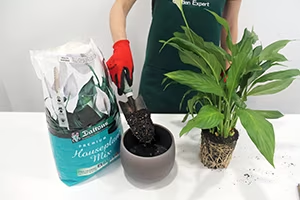
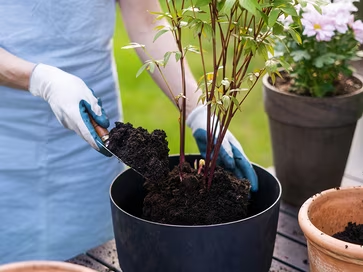
| 3. Partially fill a clean, free-draining container with Daltons Premium Houseplant Mix |
Image
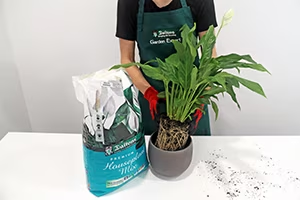
| 4. Place the plant in the container. Adjust the potting mix under the plant until it is at the desired height |
Image
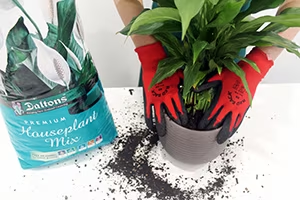
| 5. Fill the rest of the container to approximately 2cm from the top, gently tapping to ensure the mix distributes throughout the roots |
Image
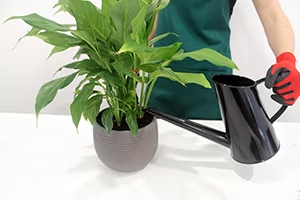
| 6. Water the plant and allow to drain. Leave in a shaded spot for 2-3 days to establish |
Pests and Diseases
Common pests of houseplants are mealy-bugs, scale insects and red spider mite.
Image
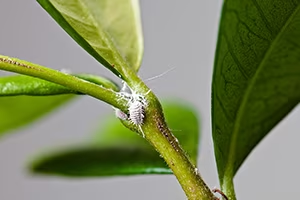
| Mealy-bug and scale are both quite visible on the plant and can be removed manually with a moist cloth. However, where there is a large infestation, in summer, take the plant outside and wash away the insects and clean the infested plant parts with a fine misting hose. |
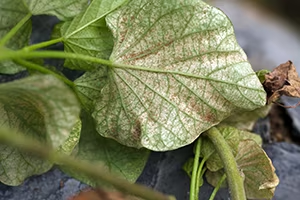
| Red spider mite is more difficult to control as it is only obvious when plants are heavily infested. It may be necessary to remove infested leaves as well as spraying water from a fine misting hose all over the plant. |
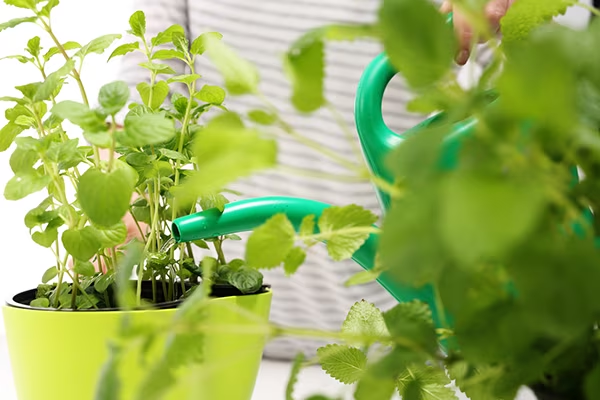
| Most diseases that affect houseplants such as brown tips of leaves are the result of a watering problem, either too much, too little, or erratic watering! Observe your houseplants carefully to assess their water requirements and always reduce the amount of water applied over the winter months. Always use lukewarm water when watering your houseplants, especially in winter. |
Houseplants to Grow
There are an enormous variety of plants that can be grown indoors. What is critical is choosing the right house plant for the particular area of the house you want to grow it. Below is a summary of types you can grow at home.
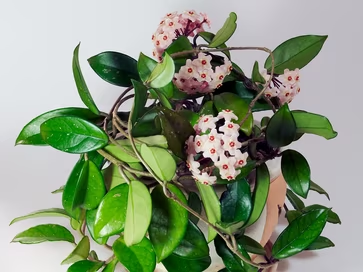
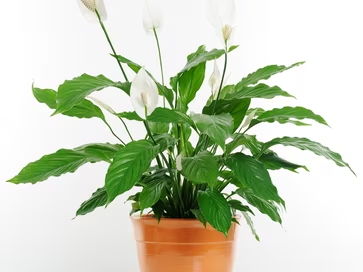
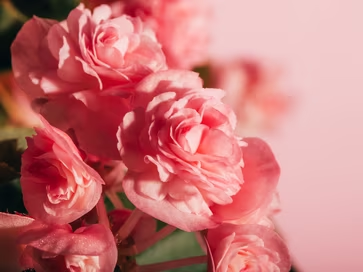
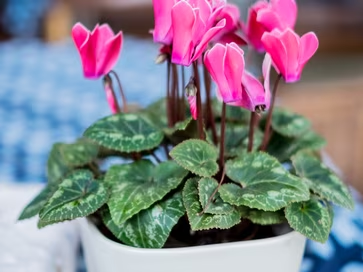
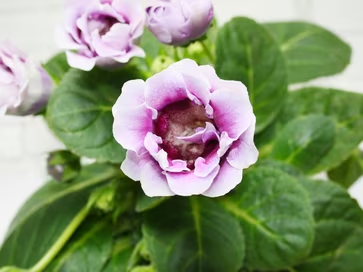
Flowering Houseplant Varieties
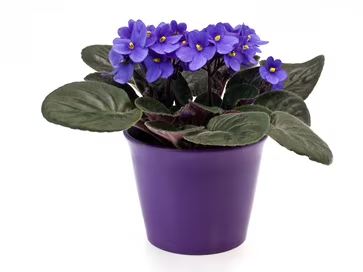
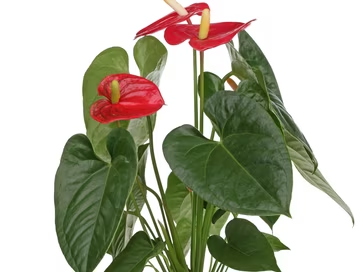
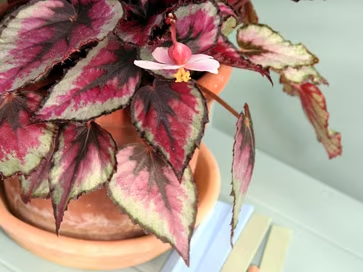
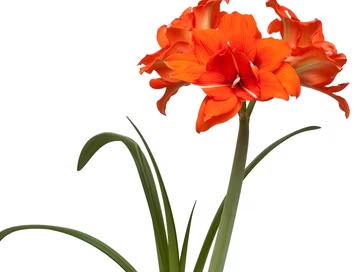
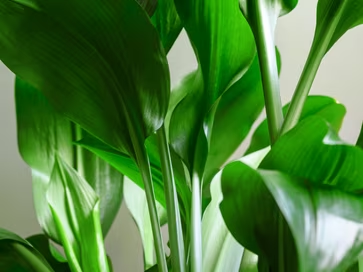
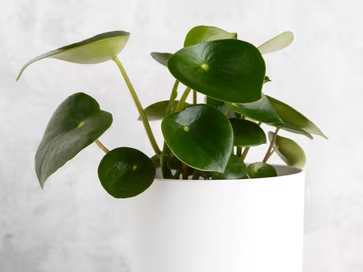
Houseplant Varieties With Bold Foliage (Leaves)
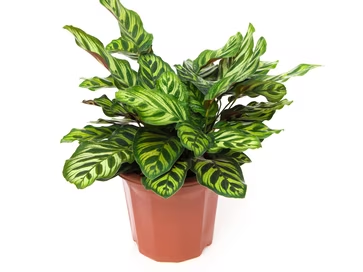
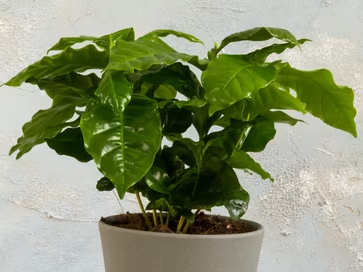
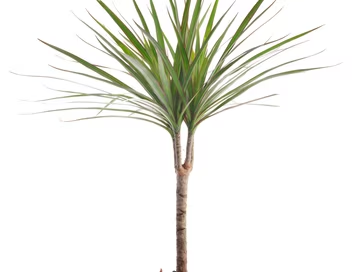
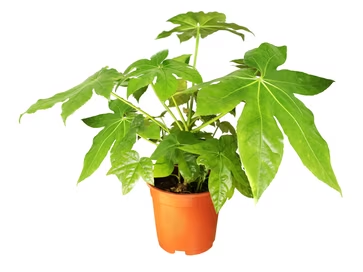
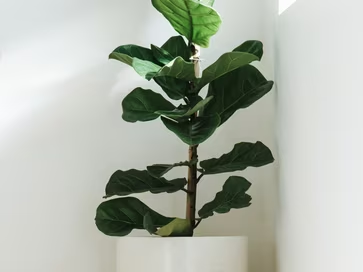
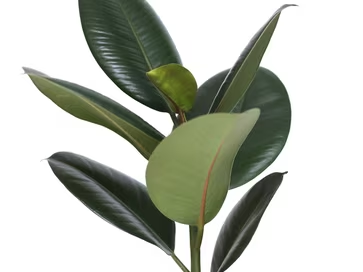
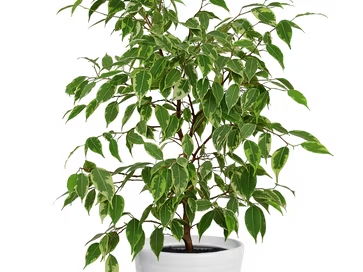
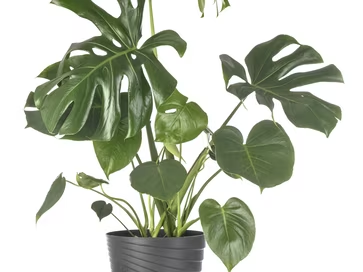
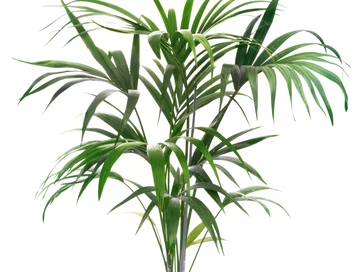
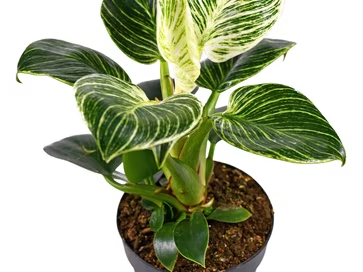
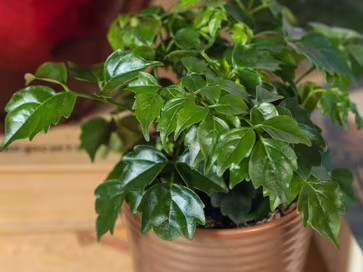
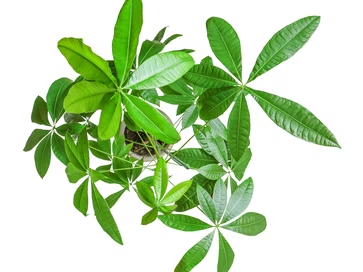
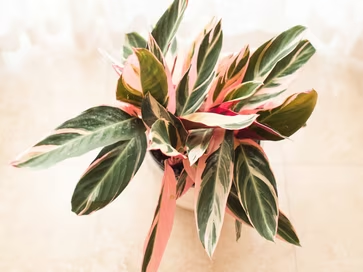
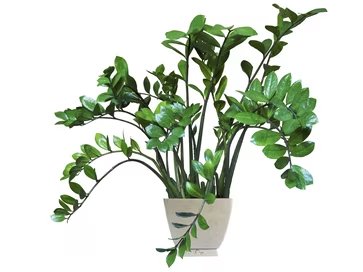
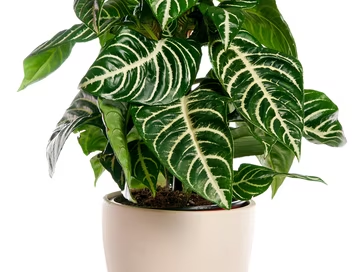
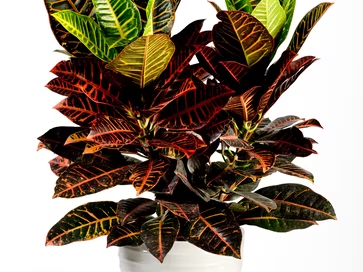
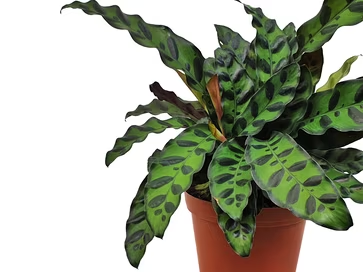
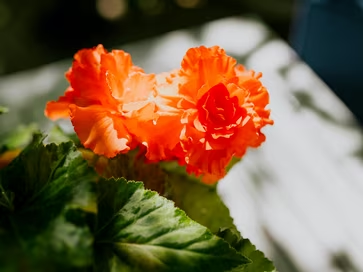
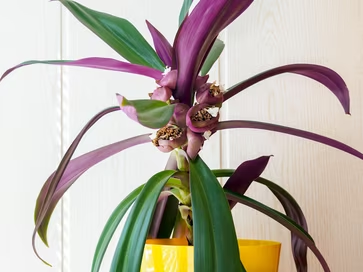
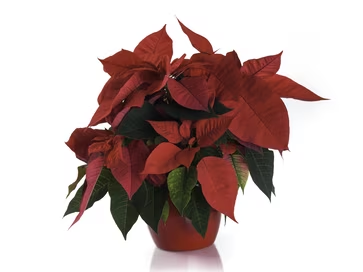
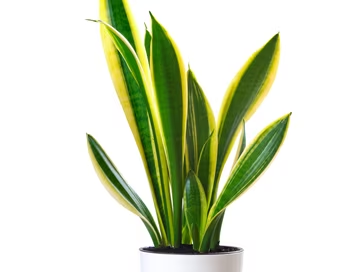
Houseplant Varieties With Coloured Foliage (Leaves)
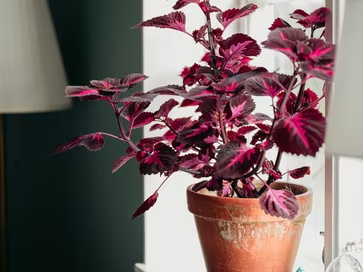
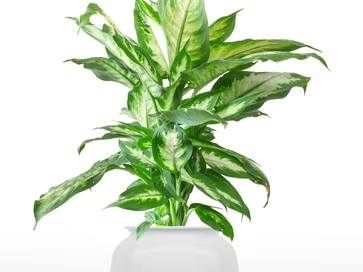
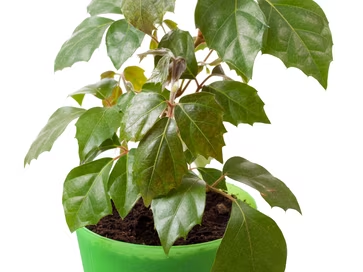
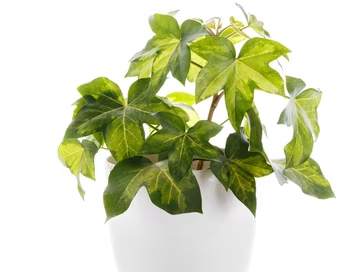
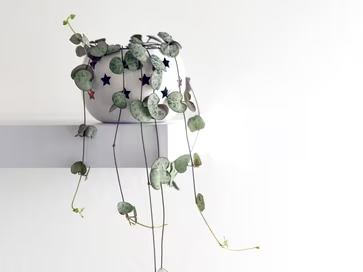
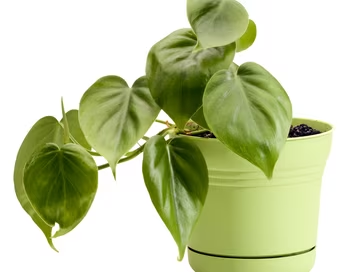
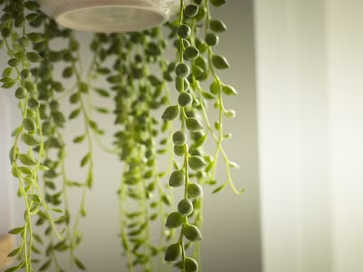
Houseplant Hanging/Climbing Varieties
Orchid Varieties
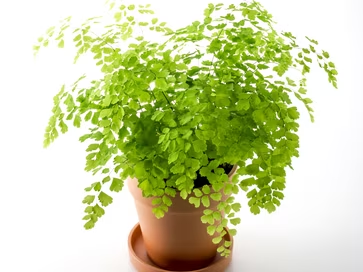
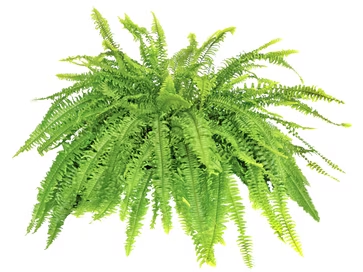
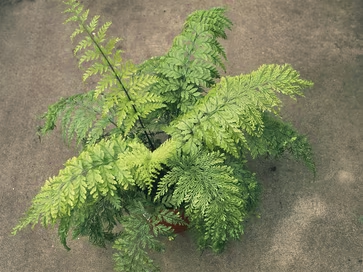
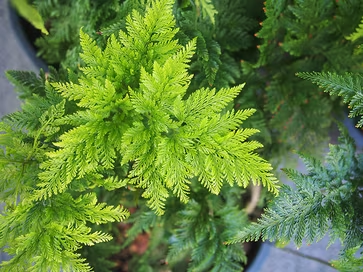
Ferns