How to Care for Your Summer Garden
The hot summer months can be a struggle for any garden. A little summer care like mulching, watering and pest control goes a long way in keeping your garden looking great and producing well right through to autumn.
Keep Your Soil Healthy
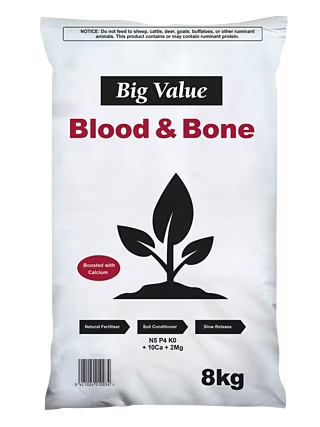
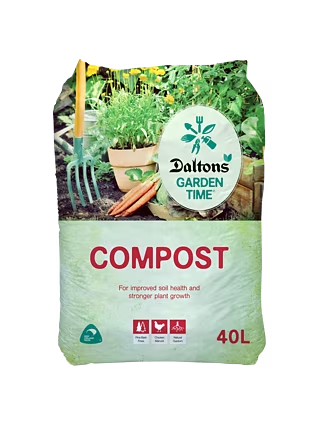
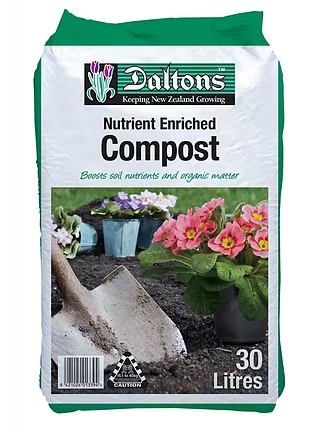
Healthy soil is the foundation of a thriving garden. If you prepared your soil in spring with organic matter like Garden Time Compost or Daltons Nutrient Enriched Compost, you’re off to a great start! Continue to nourish and replenish it by working in Daltons Big Value Blood & Bone or a light top-up of compost as needed.
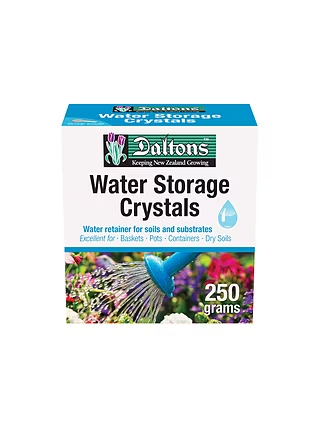
Mix Daltons Water Storage Crystals into your soil. They absorb up to 500 times their weight in water and release 95% of it back into the soil, keeping plants hydrated for longer and reducing the need for frequent watering. They help protect against drought, improve aeration in clay soils, and increase water-holding capacity for 1–3 years. By significantly reducing water and nutrient loss due to leaching, they ensure essential moisture and nutrients stay where plants need them most.
Refresh Your Mulch
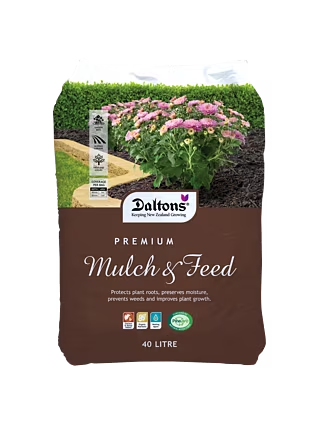
Mulching is one of the best things you can do for your garden in Summer. It locks in moisture, suppresses weeds, and helps keeps roots cool. If your mulch has thinned out, top it up with Daltons Premium Mulch & Grow or Daltons Premium Garden Mulch. Just remember to keep it away from plant stems and tree trunks to prevent rot.
Other Ways Mulch Helps
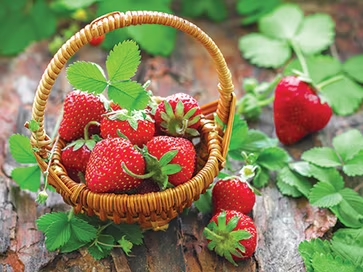
- Watering onto mulch versus bare ground limits the soil splash onto your fruit or vegetable crops, keeping them cleaner. For instance, regularly applying mulch around strawberry plants will keep fruit clean, dry and off the soil, therefore reducing the risk of fruit rot.
- Mulch encourages plant roots to penetrate deep into the soil in search of nutrients and water, promoting resilient, healthy plant growth.
- Mulch smothers weeds before they get a chance to take over, meaning your plants aren’t competing for space or nutrients. Just make sure to start with a weed-free surface before applying.
Learn more about mulch types and application in: OUR MULCH GUIDE

Water Wisely
Many plants, especially trees and shrubs, will slow or stop growing if they don’t receive regular watering through the hotter months. Consistent moisture is particularly important for fruiting plants, veggies, and young trees, as well as new gardens, where plants need water to establish strong roots. With water being a precious resource, using it wisely makes all the difference.

Top Tips
- Water deeply and regularly to encourage strong root growth and drought resilience.
- Water early morning or late afternoon, up to three times a week, increasing in hot weather. Avoid midday watering, as moisture evaporates before soaking in.
- Always water at the base of plants, not the leaves, to prevent fungal diseases like powdery mildew, especially in humid conditions.
- Water until the soil puddles, indicating it has reached its water-holding capacity. Drip irrigation or soaker hoses improve efficiency.
- Even established trees and shrubs need deep watering during dry spells. Water slowly around the dripline (under the outermost branches), where roots absorb moisture best.
- Collect and use rainwater or greywater (free of harsh detergents) for non-edible plants to conserve water.
- Avoid overwatering - if there’s been good rainfall, extra watering may not be needed.
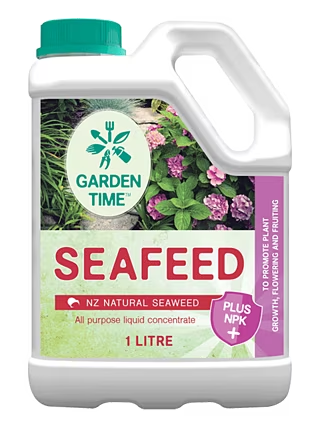
- Apply Garden Time Seafeed Plus NPK during dry spells to help plants cope with drought and reduce stress.
- For an extra boost during dry spells, apply Garden Time Seafeed Plus NPK to help plants cope with drought and reduce stress.
Don’t Forget Pots and Containers
- Pots dry out faster than garden beds, especially in heat or wind—water regularly until it drains into the saucer.
- Ensure good drainage by checking for adequate holes and avoiding pots sitting directly on wet ground.
- Leave space for mulch when planting to help retain moisture and prevent drying out.
Check for Pests & Diseases
In summer diseases can take hold quickly and insect populations increase. Keep checking plants for common summer pests like aphids or whiteflies and disease like powdery mildew, rust or black spot, and take action early.
Weed Regularly
Weeds steal water, nutrients, and space from your plants, slowing their growth. Removing them regularly - before they flower and spread - means your plants get the moisture and nutrients they need.
Gardening Terms Explained
Deciduous trees: Trees that shed their leaves every season.
Leaching: A loss of water-soluble nutrients from the soil by over irrigating or by excessive rainfall.
Mulching: A top layer of organic matter so the soil and plant are protected.
Foliage: Leaves of a plant.