A Beginner's Guide to Gardening Terms
New to gardening and not sure what terms like deadheading, side dressing or hardening off mean? This beginner's guide explains common gardening words and phrases in simple language, making gardening advice easier to understand.
Use the A-Z list to find a term and get a quick, practical explanation.
A
2 terms
Airflow
Good movement of air around and through a plant, helping leaves dry and reducing humid conditions around the plant.
Annuals
Plants that complete their life cycle in one growing season.
B
5 terms
Bark
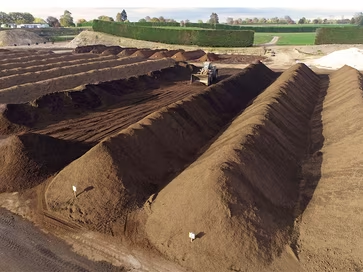
Chipped or shredded tree bark, spread over garden beds as a mulch. Bark comes in different grades, from fine mini-chip to larger nuggets, and finely ground, composted bark is also a key ingredient in many potting and seed raising mixes.
Barrier method pest control
Using a physical barrier, such as crushed bark or shell, around plants to help deter pests such as slugs and snails.
Bloom
A flower or blossom on a plant.
Bolting
When a plant flowers and sets seed earlier than expected, often because of heat or stress. This can reduce the crop or affect flavour.
Bud union
The swollen area near the base of a grafted plant where the upper plant has been joined to the rootstock.
C
11 terms
Cane
A long stem or branch, commonly used when describing plants such as roses and berries.
Capsaicin / Scoville Scale
The natural compound that gives chillies their heat. Chilli heat is commonly measured using the Scoville Scale.
Clay soil
Heavy, dense soil made of very fine particles that pack tightly together. It holds nutrients well but drains poorly, can become boggy in winter and sets hard when dry. Regularly digging in organic matter such as compost, and using gypsum clay breaker, helps open it up.
Companion planting
Growing certain plants together because they may support growth, attract beneficial insects or help with pest management.
Compost
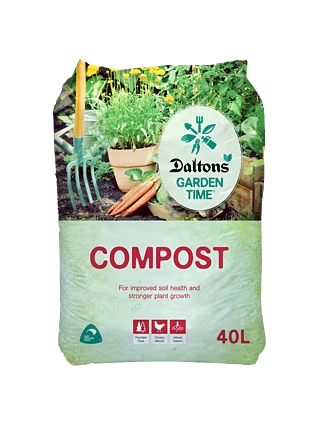
Organic material such as leaves, bark, grass clippings and manure that has broken down into a dark, crumbly, nutrient-rich material. It improves soil structure, moisture retention and fertility. Note: Compost isn't suitable as a potting mix for containers.
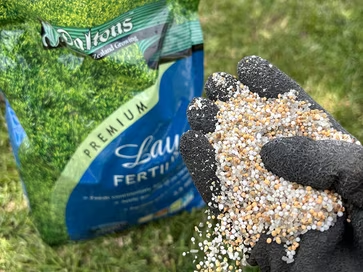
Controlled- release fertiliser
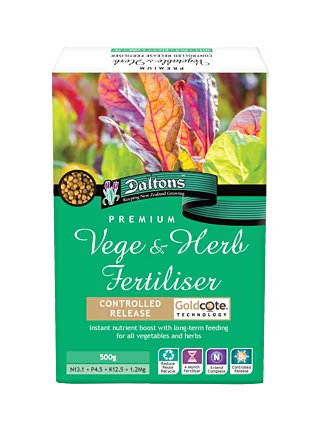
Controlled-release fertilisers are coated prills (granules) that provide a precise daily amount of nutrients to plants (depending on soil temperature and moisture levels), lasting from 3 to 12 months.
Copper oxychloride
A copper-based garden spray used to help protect plants from some fungal and bacterial diseases.
Crop rotation
Growing different groups of vegetables in different parts of the garden each season or year to help manage soil nutrients, pests and diseases.
Cropping
The production or amount of fruit or vegetables a plant produces.
Cultivation
The process of preparing, planting, tending and growing plants or crops.
Curing
Drying a harvested crop for a period of time to toughen the skin and help it store well. Commonly used for potatoes, kumara, pumpkins, onions and garlic.
D
7 terms
Damping off
A fungal disease that can cause young seedlings to collapse and die, often when conditions are too wet or humid.
Deadheading
Removing finished or faded flowers to tidy the plant and, for many flowering plants, encourage more blooms.
Debris
Dead or fallen plant material such as leaves, flowers and branches.
Deciduous
A plant or tree that sheds its leaves seasonally, usually in autumn or winter.
Deep watering
Watering slowly and thoroughly so moisture reaches deeper into the soil and root zone.
Digging in
Mixing compost, fertiliser or other organic matter through existing soil by digging and turning the soil.
Drip line
The area on the ground around the outer edge of a plant or tree's canopy, where rainwater naturally drips from the leaves and branches.
E
1 term
Evergreen
A plant or tree that keeps its leaves all year round rather than dropping them seasonally. The opposite of deciduous.
F
8 terms
F1 hybrid
A first-generation cross between two different parent plant varieties, bred to combine selected characteristics such as vigour, uniformity, yield or disease resistance. Many popular tomato varieties are F1 hybrids. Seed saved from F1 hybrids won't reliably grow true to the parent plant.
Fertilise
To apply nutrients or fertiliser to support healthy plant growth.
Foliage
The leaves of a plant.
Free-draining soil
Soil that allows excess water to move through it easily rather than pooling around plant roots. Typically compost or organic matter is added to improve soil drainage.
Friable soil
Soil that crumbles easily when handled. It is loose, well-aerated and easy for roots to grow through.
Frost cloth
A lightweight, breathable fabric used to cover and protect plants from frost and cold temperatures.
Frost pocket
A low-lying or sheltered part of the garden where cold air tends to settle, making frost more likely.
Frost-tender
A plant that is more sensitive to frost or freezing temperatures and may be damaged or killed by cold conditions.
G
5 terms
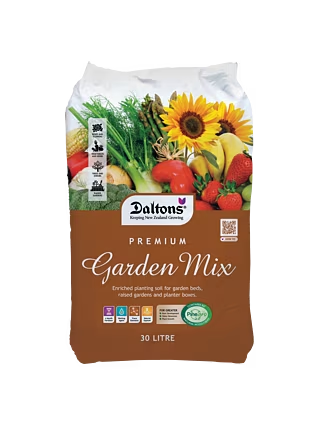
Garden mix
A ready-made blend of organic ingredients, often with added fertiliser, used to improve existing garden soil, fill raised beds and planter boxes, or plant straight into. Unlike potting mix, it's made for gardens in the ground rather than pots.
Germination
The stage when a seed begins to sprout and grow.
Grafting
Joining part of one plant to the rootstock of another so they grow together as one plant.
Green crops
Fast-growing crops grown mainly to be dug back into the soil, adding organic matter and helping support soil condition and fertility. Also called green manure or cover crops.
Greening
When potatoes turn green after being exposed to light. Green potatoes should not be eaten.
H
8 terms
Hand-pollinate
To transfer pollen from a male flower or flower part to a female flower by hand when natural pollination is limited.
Hardened growth
Older plant growth that has matured and toughened, making it generally less vulnerable than soft, fresh growth.
Hardening off
Gradually introducing seedlings or young plants to outdoor conditions before planting them permanently outside.
Hardy plants
Robust plants that can tolerate tougher growing conditions, such as cold or exposed weather, depending on the plant.
Harvest
To pick or collect produce such as vegetables, fruit or herbs when it is ready.
Heavy feeder
A plant that needs plenty of nutrients to grow well and produce a good crop.
Heirloom
A traditional, open-pollinated plant variety that has been grown for generations and is often valued for flavour, character or heritage.
Humus
The dark, stable organic material left once compost and other organic matter have fully broken down in the soil. It helps soil hold on to moisture and nutrients and gives healthy soil its rich, dark colour.
L
6 terms
Laterals
Side shoots that grow from the point where a leaf joins the main stem, commonly referred to when training tomatoes.
Leaching
The loss of soluble nutrients from soil as they are washed down through the soil by heavy rain or excess watering.
Leaf bud
A small bud on a stem or branch that develops into new leaves or shoots.
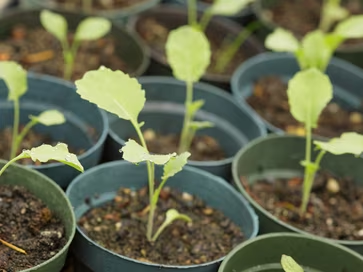
Leggy seedlings
Seedlings with long, thin, weak stems, usually caused by not receiving enough light.
Liquid feed
Fertiliser that is dissolved in water, or bought as a liquid, and applied with a watering can or sprayer. The nutrients are available to plants quickly, so good for a fast boost, but it washes out of the soil sooner than granular fertilisers so needs to be applied more often.
Loam
A well-balanced soil made up of a mix of sand, silt and clay, along with organic matter. It holds moisture and nutrients while still draining well, making it ideal for growing most plants.
M
3 terms
Microclimate
A small area where conditions such as temperature, wind, sunlight or moisture differ from the surrounding garden.
Mounding
Building soil up into a raised mound or ridge around or beneath plants. It can help with drainage, warmth or support, depending on the crop.
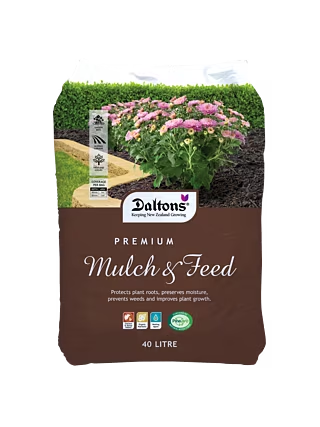
Mulch / Mulching
A layer of material, such as bark, compost or pea straw, spread over the soil surface to help retain moisture, suppress weeds, protect the soil and regulate soil temperature. Mulching is the act of applying it.
N
1 term
NPK
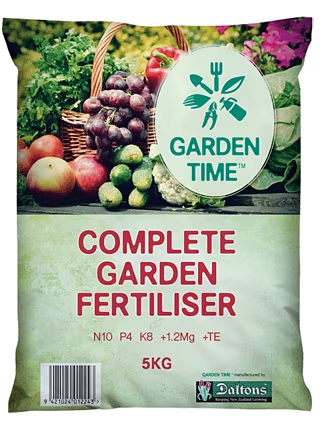
The three main nutrients plants need, shown on fertiliser packs as N-P-K: nitrogen (N), phosphorus (P) and potassium (K). Nitrogen supports leafy green growth, phosphorus supports healthy roots and flowering, and potassium supports flowers, fruit and overall plant health. The three numbers on a pack show how much of each nutrient it contains, always in that order.
O
4 terms
Open-pollinated
A plant variety pollinated naturally by insects, wind or itself. Seeds saved from open-pollinated plants will usually grow into plants with similar characteristics to the parent.
Organic matter
Natural material from plants or animals, such as compost or well-rotted manure, added to soil to support soil structure, moisture retention and fertility.
Ornamental
A plant grown mainly for its decorative value, such as its flowers, leaves, shape or colour, rather than primarily for food.
Over-sow
To sow additional seed over an area that has already been sown, often to fill thin or bare patches in a lawn.
P
9 terms
Perennials
Plants that live for more than two years, often growing and flowering again over multiple seasons.
pH
A measure of how acidic or alkaline soil is, on a scale where 7 is neutral, below 7 is acidic and above 7 is alkaline. Most garden plants grow well in slightly acidic soil, while acid-loving plants such as azaleas, camellias, rhododendrons and blueberries prefer a lower pH, generally between 4.0 and 6.0.
Photosynthesis
The process plants use to turn light, water and carbon dioxide from the air into energy for growth.
Pinching out
Removing the soft growing tip of a plant to encourage bushier growth and more side shoots.
Plant form
The overall shape or growth habit of a plant, such as rounded, columnar, conical, arching or spiky.
Pollination
The transfer of pollen that allows a flower to be fertilised and, in many plants, fruit or seed to form.
Potato nematode
A microscopic parasitic worm that attacks the roots or tubers of potatoes and some other crops.
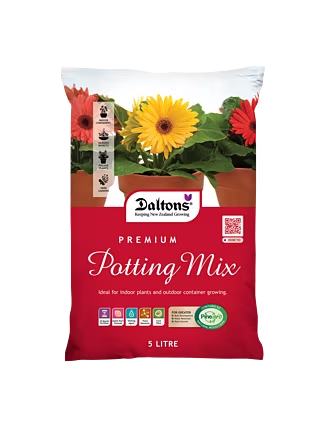
Potting mix
A free-draining growing mix made specifically for pots, containers and hanging baskets. It's lighter than garden soil, usually contains composted bark, and includes long-term fertiliser to feed plants for several months. Garden soil and compost are too heavy for pots, so always use potting mix in containers, and replace or refresh it at least every two years.
Pruning
Removing selected stems, branches or other plant growth to shape a plant, remove damaged growth or encourage healthy new growth.
R
6 terms
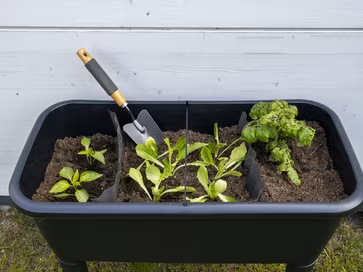
Raised bed
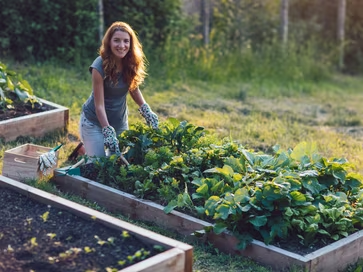
A garden bed built up above ground level, usually with timber, steel or block sides, and filled with garden mix or a blend of garden mix and compost. They drain well and warm up quicker in spring.
Root ball
The mass of roots and soil around the base of a plant when it is lifted from the ground or removed from a pot.
Root bound
When a plant has outgrown its pot and the roots have filled the container, often circling around the inside or growing out of the drainage holes. Also called pot bound.
Root run
The space or area available for a plant's roots to spread and grow in the soil.
Rootstock
The lower part of a grafted plant that provides the roots and is joined to another plant chosen for its fruit, flowers or other desirable features.
Runners
Long stems that grow from a parent plant and can form new plants where they touch the soil, as commonly seen with strawberries.
S
10 terms
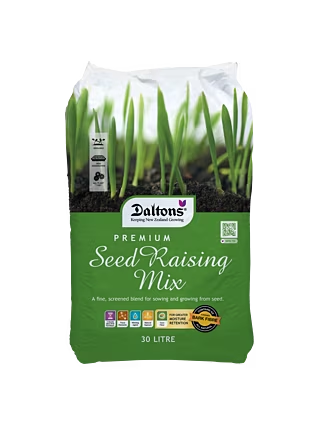
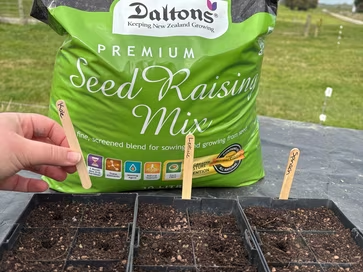
Seed raising mix
A fine, free-draining mix made for sowing seeds and growing young seedlings. It contains gentle, short-term nutrients. Once seedlings have a few true leaves, they can be transplanted into potting mix or the garden.
Self-pollinating
A plant that can produce fruit or seed using pollen from the same plant, without needing a different variety nearby.
Shelter belt
A row of trees or shrubs planted to reduce wind and protect crops, gardens or other plants.
Side dressing
Applying fertiliser to the soil around an established plant during the growing season, rather than mixing it through the soil before planting.
Slips
Young shoots or plant pieces taken from a parent plant and used for replanting, such as kumara slips.
Slow-release fertiliser
Non-coated fertilisers which release nutrients gradually over time, at a rate that depends on moisture and temperature, so plants get a steadier supply and need feeding less often.
Soil aeration
Creating more air space in the soil, helping air, water and plant roots move through it more easily.
Soil-borne disease
A plant disease caused by organisms that live or survive in the soil and can infect plants grown there.
Stem
The main supporting part of a plant that carries leaves, flowers or fruit and connects them to the roots.
Succession planting
Staggering sowing or planting times so crops are ready at different times rather than all at once. This is often done by sowing small batches of seed every few weeks, also called successive sowing, to spread the harvest over a longer period.
T
5 terms
Thinning out
Removing some seedlings or plant growth to reduce overcrowding and give the remaining plants more room, light and airflow.
Topsoil
The natural upper layer of soil. Bagged or bulk topsoil is screened or unscreened natural soil, sometimes blended with sand or compost, used for filling, levelling, lawn repairs and topping up gardens. It's usually low in nutrients, so add compost or fertiliser when planting, and it isn't suitable for pots.
Transplanting
Moving a plant from one place to another, such as from a seed tray into a pot, or from a pot into the garden.
True leaves
The first leaves that develop after a seedling's initial seed leaves. They usually look more like the mature leaves of the plant.
Tubers
Swollen underground plant parts that store food and can be used by some plants for regrowth, such as potatoes, kumara and dahlias.
U
1 term
Underplanting
Planting low-growing plants, such as groundcovers, perennials or bulbs, beneath taller shrubs or trees. It makes use of bare ground, adds layers of colour and interest, and helps cover the soil to reduce weeds and moisture loss.
V
1 term
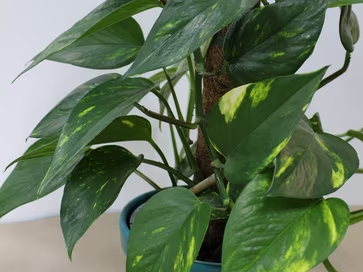
Variegated
Leaves that have two or more colours, such as green with white, cream or yellow edges, stripes or patches. They may need more light than all-green plants to keep their colouring.
W
2 terms
Waterlogged soil
Soil that stays saturated because excess water cannot drain away freely.
Wet feet
A gardening expression for plant roots sitting in soil that is too wet for too long.
Y
1 term
Yield
The amount of fruit, vegetables, flowers or seed a plant or crop produces. Good soil, regular feeding, watering and picking at the right time all help improve yield.