Protecting our Pollinators

Protecting our Pollinators
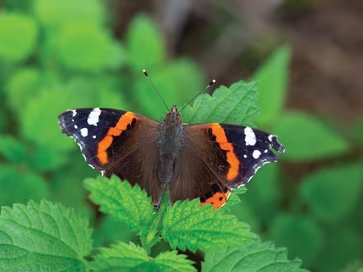
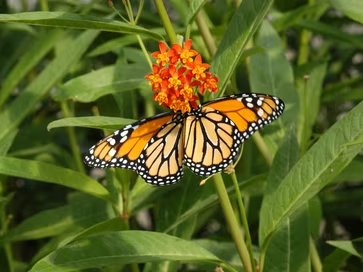
We all love butterflies in the garden, but this year numbers are dwindling and monarchs (in fact all butterflies) need our help more than ever. Jacqui Knight from the Moths and Butterflies of New Zealand Trust shares some advice to help encourage and protect these beautiful pollinators.
Unfortunately, in most parts of NZ, we are seeing very few monarchs this 2024-2025 season. Normally the population would be booming – but we are estimating that numbers are down generally all over the country by about 75% over data collected in 2019, which is huge.
Monarchs and other butterflies belong to the insect order Lepidoptera and play an important role as pollinators of many plants. Sadly, they are becoming increasingly scarce worldwide, mainly due to the destruction of their habitat. Human preference for removing what we consider to be unsightly plants from our environment, overuse of pesticides, a reduction of wild spaces and a conversion to mown lawn and tidy spaces is having a huge effect on our insect friends. Where once there were 20 or so butterflies common in our neighbourhoods, now you only see a few.
No matter the garden size, we can all play a small part in providing more nectar plants and larval food plants to help butterflies (and other pollinators along the way). Ideally, you will need a variety of nectar plants for the adult butterfly, and the correct larval plants for butterflies to lay eggs and feed growing caterpillars.
Top tips for your garden:
- Sun is important not only for plants but also for butterflies to warm their wings to be able to fly. A north-facing location for your butterfly garden is ideal.
- Shelter from shrubs, trees or a fence will help a butterfly when it tries to land and will block breezes from cooling the butterflies.
- Include a warm perch on which the butterfly can land to warm itself like rocks, evergreens, etc.
- Rid your garden of pesticides that kill butterflies
- Prepare the soil well before planting both nectar and swan plants. They will also respond to applications of Daltons Garden Time range of fertilisers throughout the growing period.
- Plant host plants (swan plants etc) in groups to give caterpillars more cover to keep them safe from predators and parasites.
- Butterflies need places to hide; plant nectar plants in clumps as opposed to single specimens.
Nectar Plants:
Butterflies, the final stage of the insect’s metamorphosis, need nectar to survive. The following plants grow in most parts of New Zealand:
- Ageratum, Candytuft, Cleome, Coreopsis, Cosmos, Dianthus, Dimorphotheca, Echinacea, Marigold (Calendula and Tagetes), Blue Salvia, Sunflowers, Wallflowers and Zinnias.
- The Monarda family, Primula and spring bulbs.
- Conifers, bottlebrushes, cabbage trees, poinsettia, rhododendrons and camellia.
- Fruiting trees and ornamental blossoms like flowering cherries and mock orange blossom.
It’s not too late to help
Every monarch we can get to maturity now helps build the population back up. As any seasoned butterfly gardener knows, these caterpillars are ferocious eaters. Planting multiple swan plants throughout the year is the best way to ensure you do not run out of tucker mid-season. Ideally, let your plants grow large and woody to provide a solid food bank for the months ahead.
Shopping Safely for Swan Plants
If you are heading to the garden centre to top up your stocks, be a bit choosey. Many mass-produced plants are treated with systemic pesticides like neonicotinoids to keep them looking pristine on the shelf. Unfortunately, these chemicals stay in the leaves and can be fatal to the very caterpillars you are trying to save.
Ask the Team: Do not be shy. Ask if their swan plants are grown pesticide-free. Many local nurseries and specialists now work closely with the MBNZT to ensure their plants are caterpillar-safe.
Look for Local: Smaller local nurseries or community plant sales are often your best bet for organic, spray-free plants.
Check the MBNZT Directory: The Trust maintains an up-to-date list of Butterfly-Friendly Retailers and certified habitats across Aotearoa. Click here to find your nearest bee and butterfly-friendly supplier: https://www.nzbutterflies.org.nz/project/approved-by-butterflies/
Tips for Raising Magnificent Monarchs
Once you have your safe plants in the ground, remember that nature usually knows best.
Caterpillars shed their skin five times. Each growth stage is called an instar. Avoid handling them while they are moulting as they have been doing this for millions of years without our help.
In 2026, social wasps are a major threat. Consider using a fine mesh butterfly house or netting over your plants to give your caterpillars a safe space to grow.
To learn more about how you can support our native moths and butterflies, visit the experts at www.nzbutterflies.org.nz.
Photo : The NZ Moth and Butterfly Trust’s stand won a Silver Award in the Resene Upcycling category at the 2018 NZ Flower and Garden Show. The stand demonstrated ways in which people could use recycling ideas to enhance their butterfly garden.