How to Grow Watermelons
Watermelons, with their sweet, refreshing taste, are the perfect fruit for hot summer days. Although they need a bit more space and time to grow, the reward of slicing into your homegrown juicy watermelon makes it well worth it!
Selecting the Right Variety
There are several different watermelon varieties available, either as seeds or seedlings. Watermelon plants are available from Garden Centres from late October/ early November.
Our friends at Kings Seeds have also have a wonderful selection.

| Varieties to try | Description |
| Crimson Red | A favourite with watermelon lovers for its sweet flavour, vibrant red flesh and crisp texture. |
| Crimson Sweet | This large, round variety is renowned for its juicy sweetness and deep red flesh. |
| Sugar Baby | Compact and sweet, Sugar Baby watermelons are perfect for smaller gardens and individual servings. |
| Sugar Sweet | These watermelons are exceptionally sweet and flavourful, with a bright green rind and medium to large size. |
| Sweet Red | Known for their bright red interior and delicious sweetness, Sweet Red watermelons are versatile for fresh eating, juicing, or desserts. |
| Watermelon Gold in Gold F1 | Striking fruit that have a pale-yellow background with a golden-yellow stripe. The internal flesh is orange-gold in colour, firm and sweet and juicy. |
Prime Planting Time
Watermelons grow best in warm, temperate to subtropical climates, needing at least 80-100 frost-free days, plenty of sunlight, and consistently warm soil and air temperatures to mature fully. If summer is cool, cloudy and rainy, be prepared for a longer growing season.
- Plant watermelons from early November after the soil has warmed and the risk of frost has passed. A good rule of thumb is to wait for daytime temperatures to consistently exceed 20°C and nighttime temperatures to remain above 15°C, though this may vary after a cool spring.
- In cooler areas, start seeds indoors a few weeks before transplanting them outside.
- Cover plants overnight with frost cloth or cloches to protect them from late frosts etc.
How many plants to grow
This depends on your garden space and your love for watermelon! For an average family of four, three to four plants should be sufficient if space allows. Watermelon vines spread out so if space is limited, consider growing Sugar Baby, which has a smaller growth habit.

Ideal Planting Conditions
- Soil Conditions: Watermelons thrive in light, sandy soils and struggle in heavy clay soils. Improve clay soils by adding compost and gypsum for better drainage.
- Site & Sun: Choose a location with full sun for optimal growth.
- Space: Watermelons require ample space to sprawl in the garden. They can also be grown along wires or trellises but make sure you support fruit with slings or recycled pantyhose.

Planting
Watermelons are extremely vigorous growing plants and need plenty of space. Plant them at least 90 cm apart.
Sowing Seed
- Directly sow seed into the garden in well-prepared soil by adding in compost and Daltons Premium Garden Mix to ensure good drainage.
- Sow indoors in biodegradable pots or in trays filled with Premium Seed Mix and place in a warm location. Read our Seed Sowing guide for step-by-step advice.
Planting Seedlings
- Soak the seedling Garden Time Seafeed and water for 10-15 minutes before planting (save the leftover mixture for later). This reduces stress and helps the plant establish more quickly.
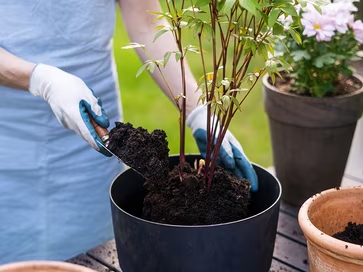
- Dig a hole that is twice as wide and deep as the plant's pot to allow for better root expansion.
- Enrich the soil by mixing in Garden Time Compost and Premium Garden Mix to provide essential nutrients and improve drainage.
- Position the plant in the hole to check that the final height of plant's stem will sit slightly above ground level. If necessary, add more soil mix to the planting hole to elevate the plant. This step is crucial in moist or heavy soils to prevent stem rot.
- Replace the soil around the plant and pat it down firmly.
- Water the plant with the remaining Seafeed mix.
- Add a layer of Daltons Premium Mulch & Feed around the top of the plant (avoiding contact with the stem) to protect developing fruit and suppress weeds.
Feeding and Watering
Feeding
Regularly feed with Garden Time Seafeed – especially when flowering begins.
Watering
Keep plants well-watered, especially during the growing period. A deep watering once or twice a week should suffice depending on the season and temperatures in your area.
Pests and Diseases
Keep an eye out for common pests and diseases like whitefly, aphids and powdery mildew. Use appropriate organic or chemical controls as necessary – your local garden centre can guide you.
Pollination
Watermelons are primarily pollinated by bees, which transfer pollen between male and female flowers. Only the female flowers develop into fruit after successful pollination.
Poor pollination can result in misshapen or underdeveloped fruit, so ensure your garden is inviting for bees to get the best harvest!
To encourage good pollination:
- Plant bee-friendly flowers nearby, like borage or lavender, to attract pollinators.
- Avoid insecticides during flowering, as they can deter bees.
- If bee activity is low, hand-pollinate with a small paintbrush by transferring pollen from the male flowers (with thinner stems) to the female flowers (which have a small bulb indicating developing fruit).


Harvesting
Knowing when to harvest watermelon can be tricky requiring some guesswork to determine the right picking time. Here are a few signs that your watermelon is ready to pick:
- Check the tendril nearest to the melon on the vine; it should be brown and dry, not green and curly. This is one of the best indicators of maturity.
- Where the watermelon sits on the ground (called the ground spot) the skin changes colour as the fruit ripens. It should turn a creamy yellow when the melon is ready for picking.
- Give the watermelon a knock – a ripe melon will produce a deep, hollow sound, while an unripe one will sound more dull or solid.
- In New Zealand, watermelons typically take around 14–16 weeks from sowing to maturity. Harvest times may vary slightly depending on the variety and growing conditions.
Ongoing Care & Maintenance
- Regularly check plants for signs of stress or pests.
- To promote plant growth, remove any weeds and maintain a layer of mulch around the plants. Explore our range of bagged mulch and bark products.