November Gardening Tasks
November is an exciting month in the garden with warmer days and a little spring rain, they really come into their own. Summer vegetables are growing quickly, roses are putting on a beautiful show and the first strawberries are ready to pick in some areas. There's still plenty to plant, along with a few jobs to get your garden ready for the warmer months ahead.
In the Vegetable Garden
Continue planting your summer vegetable garden, including frost tender vegetables now that temperatures are warming.
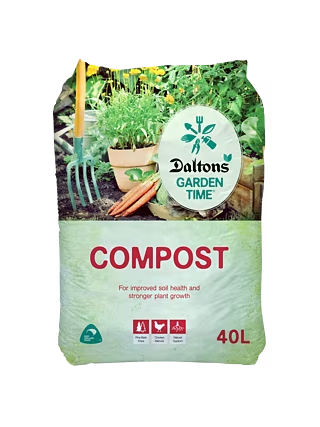
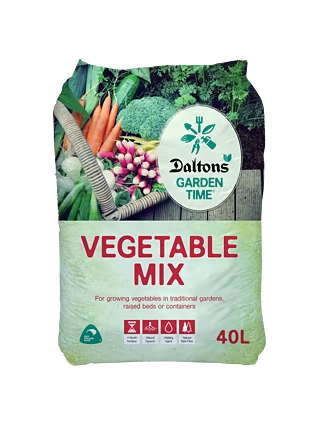
Before planting, give your garden beds a boost by mixing Daltons Garden Time™ Compost or Vegetable Mix through the existing soil. Growing in pots? Start with fresh potting mix.
Ready to harvest
Depending on your region and planting times, asparagus, broad beans, cabbage, carrots, cauliflower, lettuce, peas, radishes, silverbeet and spinach may be ready to pick.
Sow or plant now
Beans, beetroot, carrots, capsicums, celery, chillies, courgettes, cucumbers, eggplants, lettuce, melons, potatoes, pumpkins, radishes, silverbeet, sweetcorn and tomatoes.
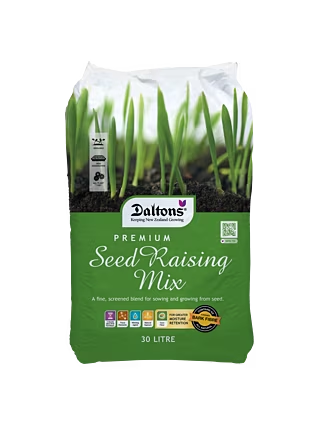
Photo: Tomato and pea seedlings grown in Daltons Seed Raising Mix, ready to plant out in the garden – @savs_organic_produce.


Tomato Care
If you planted tomatoes in October, they should be growing nicely by now, with flowers appearing and perhaps even a few tiny tomatoes starting to form. It's a good time to feed them.
- Remove side shoots (laterals) from tall-growing indeterminate varieties to manage growth. Bush varieties generally don't need this pruning.
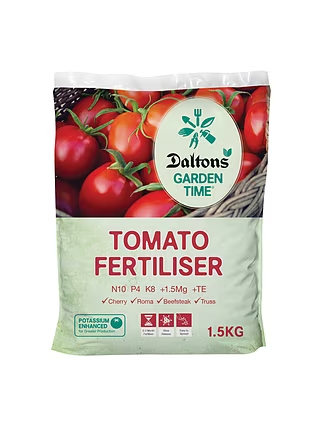
- Feed with Daltons Garden Time Tomato Fertiliser to support flowering and fruit development.
- Keep watering consistent, especially once tomatoes start forming. Letting the soil dry out too much between waterings can contribute to split fruit and blossom end rot.
How to Grow Tomatoes
Sweetcorn
Plant in blocks rather than long, single rows to improve wind pollination and help cobs develop with fewer missing kernels. Keep plants well-watered, particularly as tassels and silks develop.
How to Grow Sweetcorn
Still planting kūmara?
November is an important planting month, with warm soil helping slips establish. Choose a sunny, sheltered position, allow plenty of room for spreading vines and keep young plants watered until established.
How to Grow Kūmara
Fruit
Citrus Tree Care
If your citrus trees are prone to melanose or verrucosis (citrus scab), a copper-based fungicide may help protect developing fruit. Application timing around petal fall is important, so follow the product label for the disease being treated. Check with your local garden centre for advice on the best product.
Strawberry Care & Harvesting
If you're not picking strawberries yet, it won't be long! More delicious berries should be ripening over the coming weeks.
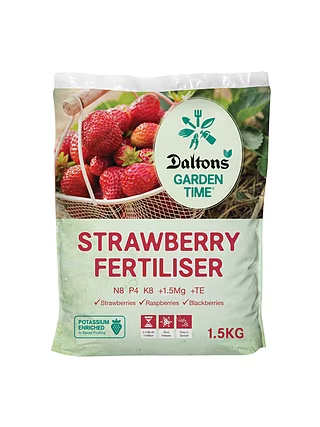
- Give your strawberries a feed with Daltons Garden Time Strawberry Fertiliser, to encourage more flowers and juicy fruit. If you've already fed them, check the pack for when they're next due and set yourself a reminder.
- Place pea straw or fine bark mulch beneath plants to keep developing fruit off damp soil.
- Keep the soil moist while strawberries are flowering and fruiting, but don't overwater. They don't like sitting in soggy soil.
- Pick strawberries regularly once they're fully red and ripe.


Passionfruit Care
Passionfruit vines are growing strongly as warmer weather arrives, with flowers and developing fruit to look forward to.
- Guide new shoots along a sturdy trellis or fence, gently tying them in to keep the vines growing in the right direction.
- Keep vines well watered during dry spells, particularly while flowering and developing fruit.
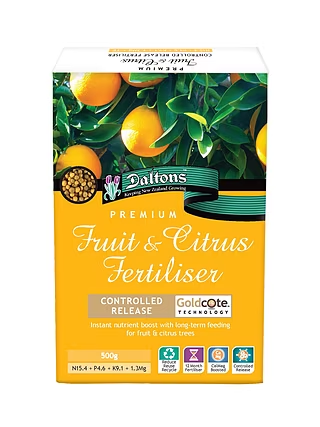
- If your passionfruit is due for a feed, apply Daltons Premium Fruit & Citrus Fertiliser according to the pack directions.
- Check new growth for pests and remove any dead or damaged growth.
Fruit Tree Care
There's plenty happening on fruit trees now, with new leaves, developing fruit and lots of growth to look after.
- Some fruit trees may be ready for another feed. Check when you last fertilised and follow the directions for Daltons Premium Fruit & Citrus Fertiliser. Spread it around the tree's drip line (beneath the outer edge of the branches), lightly work it into the soil and water well.
- Check developing fruit and foliage for signs of pests or disease.
- Keep newly planted fruit trees watered during dry weather while their roots establish.
- Check stakes and ties, loosening any that are becoming tight as trunks grow.
Flowers
Summer Perennial Garden
Bring more colour to your garden with perennials such as alstroemeria, salvia, echinacea, lavender, asters and dianthus. Many will flower right through summer.
- Have a few gaps in your flower beds? Fill them with new perennials, mixing some Daltons Garden Time™ Compost into the soil before planting.
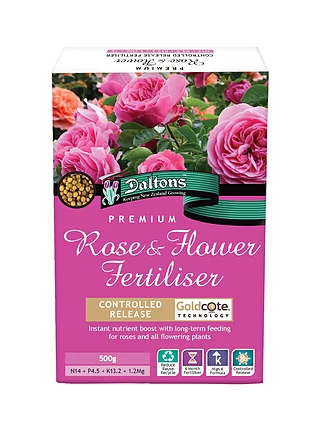
- Feed established flowering plants with a Daltons Premium Rose & Flower Fertiliser and water in well.
- Stake taller varieties such as delphiniums before their flower stems become top-heavy.
- Remove finished flowers regularly to encourage more blooms, and give plants a light tidy-up to keep them looking their best.
Rose Care
Roses are putting on a beautiful display in many parts of New Zealand, with bush and climbing varieties reaching their peak flowering period. A little care now will help you enjoy more blooms over the coming months.
- Check new shoots and flower buds for aphids, and keep an eye out for black spot or rust on the leaves. Treat any problems early to help stop them spreading.
- If you haven't fed your roses yet this spring, apply Daltons Premium Rose & Flower Fertiliser following the pack instructions.
- Deadhead finished flowers regularly to encourage repeat-flowering varieties to produce more blooms.
- Water deeply during dry spells, directing water around the base rather than over the foliage.


Planting Dahlias in November
November is dahlia planting time, particularly in cooler parts of New Zealand where late frosts can delay planting. With a little love and preparation, you'll enjoy colourful blooms right through summer and into autumn.
Dahlia Planting & Care Tips
- Choose a sunny, sheltered position with fertile, free-draining soil.
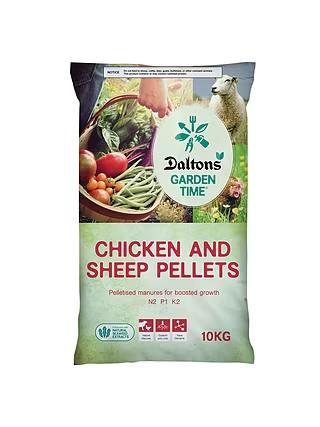
- Dahlias are heavy feeders, so enrich the existing soil with Daltons Garden Time™ Compost and Garden Time™ Chicken & Sheep Pellets before planting.
- Plant tubers approximately 10-12 cm deep, with the growing points facing upwards, once the risk of frost has passed.
- Give dahlias plenty of room to spread, and put stakes in place when planting taller varieties so you don't accidentally damage the tubers later.
- Once plants have developed 2-4 sets of leaves, pinch out the central growing tip to encourage bushier growth and more flowering stems.
- Watch for slugs and snails, which can quickly damage tender emerging shoots.
Spring Bulb Care
Leave the green foliage of finished spring-flowering bulbs to yellow and die back naturally - this helps replenish the bulbs for next year's flowers.
Depending on the variety and growing conditions, bulbs can be left in the ground to naturalise or lifted and stored once their leaves have browned and died down.
Herbs & Containers
Herb Garden
Herbs should be producing plenty of lovely fresh growth for picking and using in the kitchen.
- Plant summer favourites such as basil, parsley, chives, dill, thyme and oregano. Basil prefers warm conditions, so wait until frost risk has passed.
- Trim herbs regularly, even if you're not using them, to encourage more growth. Avoid cutting young plants back too heavily.
- Coriander can be a bit tricky in warmer weather (it actually prefers the cold), often bolting and going to seed before you've had much chance to pick it. Try growing it with some afternoon shade and sowing small batches regularly.
How to Grow Herbs
Container Garden Care
Pots, hanging baskets and planters need a little extra attention as summer approaches, especially those in full sun or exposed to wind.
- Check potting mix regularly and water thoroughly when needed, allowing excess water to drain away.
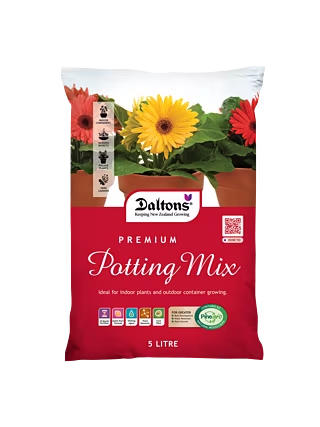
- Refresh tired containers with Daltons Premium Potting Mix before replanting, and check that pots have adequate drainage holes.
- Group containers together where practical to make watering easier and provide some shelter from drying winds.
- Plants that have been growing in the same potting mix for a while may need fresh new mix or a top-up of nutrients. Check when they were last fed before adding more fertiliser.


Around the Garden
Trees, Shrubs & Hedges
If you've planted new trees or shrubs over winter or spring, remember they're still settling in. Keep an eye on watering as the weather warms, particularly in windy or exposed areas.
- Check stakes and ties to ensure they aren't rubbing against or restricting growing trunks.
- Feed established trees and shrubs with Daltons Premium Tree and Shrub Fertiliser following the pack directions. Avoid applying fertiliser directly against stems or trunks.
- Lightly trim hedges where needed to maintain their shape, checking for nesting birds before cutting.
Mulch Before Summer Arrives
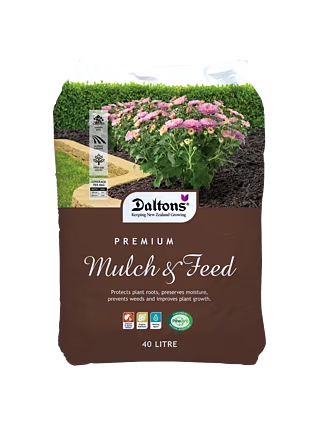
A quick reminder that with El Niño underway, mulching helps soil retain moisture, protects against drying winds, suppresses weeds and reduces soil erosion during heavy rain.
- Remove weeds and dead plant material before mulching.
- Water the soil thoroughly first.
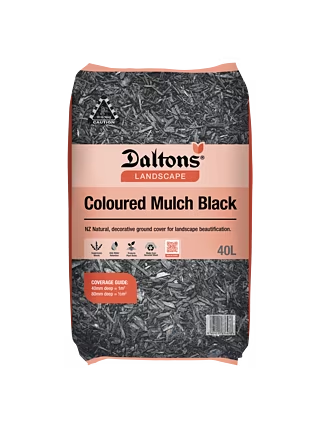
- Apply a 5-10 cm layer of mulch, depending on the plants and garden area.
- Keep mulch away from plant stems and tree trunks to help prevent rot.
Pest & Disease Watch
Unfortunately, we're not the only ones enjoying all that fresh spring growth! Aphids, whitefly, slugs and snails can quickly make themselves at home, so keep an eye out for early signs of trouble.
- Check new growth and the undersides of leaves for aphids and whitefly, especially on vegetables and flowering plants.
- Holes in leaves and damaged seedlings can indicate slugs and snails. Check plants in the evening or after rain when they're often active.
- Watch for powdery mildew on courgettes, pumpkins and cucumbers. Allow good airflow between plants and remove badly affected leaves where needed.
- Encourage beneficial insects such as ladybirds and hoverflies by including flowering plants and herbs in the garden.
Lawn Care
With summer approaching, a few simple changes to mowing and watering will help keep lawns healthy.
- Mow regularly, avoiding cutting grass too short. Slightly longer grass helps shade the soil and reduce moisture loss during hot weather.
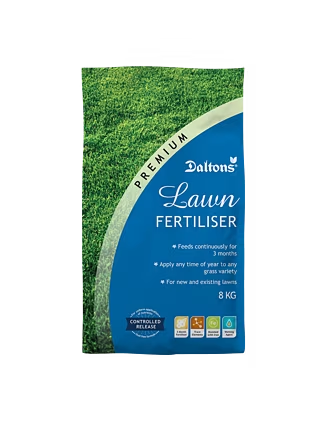
- Feed with Daltons Premium Lawn Fertiliser to encourage healthy, lush green growth before summer. Water in well after applying, following the pack instructions.
- Give established lawns a good, deep watering when needed, preferably early in the morning. Avoid watering late at night, as grass staying wet for long periods can encourage disease.
- Keep newly sown lawns consistently moist while grass establishes and avoid heavy foot traffic until it's growing strongly.

Quick Answers
November gardening tasks include planting summer vegetables and dahlias, caring for tomatoes, harvesting strawberries, feeding flowering plants and mulching before summer. Keep an eye on soil moisture, pests and developing fruit.
Plant beans, beetroot, carrots, courgettes, cucumbers, capsicums, chillies, lettuce, pumpkins, sweetcorn and tomatoes. In cooler areas, wait until the risk of frost has passed before planting tender vegetables.
Absolutely! November is a key planting month for dahlia tubers in New Zealand, particularly in cooler regions. Choose a sunny position with free-draining soil and plant once the risk of frost has passed.
If you haven't fertilised your roses this spring, November is still suitable for feeding. Daltons Premium Rose & Flower Fertiliser provides controlled and slow-release nutrients for up to nine months. Follow the pack instructions.
November is a good time to apply mulch before summer heat arrives. Water the soil first, then apply a 5-10 cm layer of mulch, keeping it clear of plant stems and trunks.
Watering depends on your local rainfall, temperature and soil type. Check moisture below the surface and water deeply when needed, particularly around newly planted vegetables and crops developing fruit.
Gardening Terms Explained
Side shoots that grow between a tomato plant's main stem and leaf branches. These are often removed from tall-growing tomato varieties to manage growth.
Tomato varieties that continue growing and producing fruit throughout the season. They generally need staking or support and may benefit from regular pruning.
The stage after flowering when petals drop from the blossoms. An important timing reference for some fruit tree disease treatments.
The area on the ground beneath the outer edge of a tree's canopy, where rainwater would naturally drip from the branches and many actively feeding roots are found.
When plants such as coriander and lettuce begin producing flower stalks and seeds, often triggered by warmer temperatures or longer days.