Frost Damage: How to Protect Plants and Help Them Recover
Frost can quickly damage tender leaves, shoots and flowers, and even though spring has arrived, late frosts can still catch plants out. Fresh new growth is particularly vulnerable, so a little preparation can help protect susceptible plants when colder conditions are forecast.
If frost does cause damage, don't assume the plant is lost. Knowing when to leave it alone and when to prune can give affected plants the best chance of recovering as temperatures warm.

How can I protect plants from frost?
Choose the right position
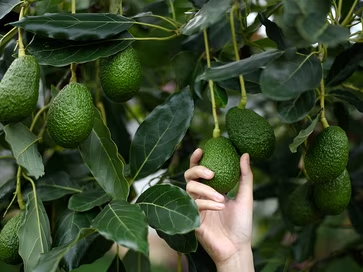
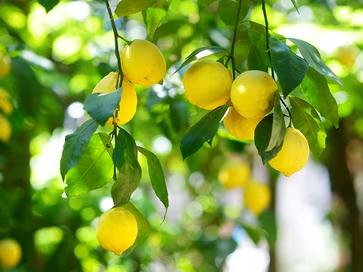
Prevention starts with choosing the right plant for the right position. Frost-tender species, such as citrus, avocado, hibiscus and other subtropical plants, should be planted in warmer, sheltered parts of the garden and away from known frost pockets where possible.
Protect plants with frost cloth
During particularly cold spells, cover frost-tender plants with frost cloth. Drape it over the plant so the foliage (leaves) and tender new growth are protected, securing it so it remains in place overnight. Frost cloth helps create a more protected environment around the plant and reduces exposure to freezing temperatures.
Move potted plants to shelter
If frost-sensitive plants are growing in pots, move them to a more sheltered position during cold spells, such as under eaves or onto a covered porch.
Consider copper protection
For some frost-tender plants, an application of copper oxychloride beginning in early autumn can help harden foliage and make it less susceptible to frost damage. Always check that the product is suitable for the particular plant and follow the label directions for application.
What should I do if my plants are damaged by frost?
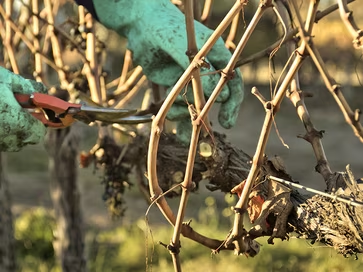
Frost-damaged foliage can quickly turn brown or black and look like it needs to be removed, but don't be too quick to reach for the secateurs!
Leave damaged leaves and branches on the plant while there is still a risk of further frost. This damaged growth can provide some protection to healthier parts of the plant below.
Pruning too early may also encourage fresh new growth, which could then be damaged by another cold snap.
When should I prune frost-damaged plants?
Wait until warmer temperatures arrive and the risk of further frost has passed. Look for fresh shoots and buds developing from healthy parts of the plant, as this will give you a much clearer indication of what has survived.
Once you can see where the plant is actively growing again, remove dead or badly damaged leaves and branches, pruning back to healthy growth.
This is also a good time to assess the overall health of the plant and how significantly the frost has affected its recovery.
Are young or newly planted plants more vulnerable to frost?
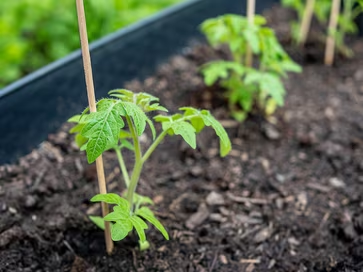
Yes. Newly planted and young plants can be more vulnerable to frost while they are still establishing, so give them extra protection when cold conditions are forecast.
The type of growth also makes a difference. Young, fresh foliage is more susceptible to frost damage than older, hardened growth, which means even an established plant can be vulnerable if it has recently produced a flush of soft new shoots.
This is particularly important in early spring, when plants are starting to put on fresh growth but late frosts can still occur. Keep frost cloth handy and protect newly planted plants and tender new growth when needed.


Should I fertilise frost-sensitive plants before winter?
As winter approaches, avoid fertilising frost-sensitive plants in a way that encourages a flush of soft, young foliage.
Fresh growth is more susceptible to frost damage than older, hardened foliage, so allowing plants to harden off before colder weather arrives can help reduce the risk of damage.
Once the risk of frost has passed and plants are moving back into active spring growth, you can resume their normal feeding programme. Learn how to use fertilisers here.
What should I plant in areas that regularly get frost?
IIf certain parts of your garden regularly experience frost, factor this into your plant selection. Choose tougher, frost-tolerant plants for colder positions and reserve frost-sensitive varieties for warmer, sheltered areas. Talk to your local garden centre who will have more information on the best plants for your own climate.
A little planning, timely protection and some patience after frost damage can make a big difference to how well your plants come through cold weather and recover once temperatures warm.
Gardening terms explained
Frost-tender: A plant that is sensitive to freezing temperatures and may be damaged or killed by frost.
Frost pocket: An area where cold air tends to settle, often in low-lying or sheltered parts of the garden, making frost more likely.
Frost cloth: A lightweight, breathable fabric used to cover and protect plants from frost and cold temperatures.
Foliage: The leaves of a plant.
Hardened growth: Older plant growth that has matured and toughened, making it generally less vulnerable to frost than soft, fresh growth.
Copper oxychloride: A copper-based garden spray used to help protect plants from some fungal and bacterial diseases. For some frost-tender plants, it may also be used to help harden foliage ahead of colder conditions.
Secateurs: Hand-held pruning tools used for cutting small branches, stems and shoots.