How to Grow Chillies
Chillies are surprisingly easy to grow at home and add colour, flavour and heat to your cooking! With the right care, just a few plants will reward you with a steady harvest all summer long.
Chillies love warm, sunny conditions, and they are perfect for every garden type from small balcony gardens to garden beds.
Selecting the Right Variety
There are chillies to suit every taste! From mild and fruity to fire hot. The heat of a chilli comes from capsaicin, the natural compound measured on the Scoville Scale - the higher the number, the hotter the chilli.
When choosing your variety, think about how you might use them in the kitchen and your heat tolerance.
Varieties to Grow
Try a few varieties with different heat levels to add variety in both flavour and colour, some ripen red, yellow, orange, or even purple!
- Mild: Jalapeño, Anaheim or Shishito F1 - perfect for everyday dishes and milder flavour.
- Medium: Cayenne, Serrano, Hungarian Yellow Wax or Asian Fire F1 - versatile and productive.
- Hot: Habanero, Thai Hot F1 or Bhut Jolokia - great for those who like serious heat.
- Very Hot / Challenge Varieties: Carolina Reaper and other ultra-hots is for the true chilli fans!
Ideal Planting Conditions
Chillies love warmth and sunshine! Choose a hot, sheltered spot that receives at least 6–8 hours of direct sunlight each day.
- Chillies are frost-tender, so wait until the soil has warmed before planting outdoors.
- In cooler regions, grow chillies in containers so they can be moved to sunny, protected spots when temperatures drop.
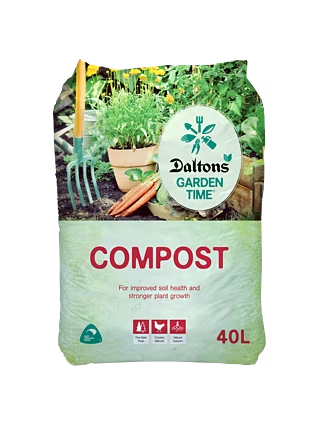
- Plant in light, free-draining soil enriched with Daltons Garden Time Compost.
- Avoid heavy or waterlogged soils, add compost to improve drainage. For sandy soils, compost helps retain moisture and nutrients.
- Protect plants from strong winds.
Prime Planting Time
Timing is key for chillies.
- In most parts of New Zealand, plant in spring through to early summer once frosts have passed and the weather is consistently warm.
- In cooler regions, start seeds indoors from August to September, then harden off seedlings before transplanting outside.
- Chillies grow best when soil temperatures stay above 18°C and daytime temperatures reach 20–30°C.
- Container-grown chillies do well on warm patios, decks, or balconies where soil and air heat up faster than in the garden.


Planting in the Garden
- Prepare soil by mixing in Daltons Garden Time Compost, loosening to a spade’s depth.
- Space plants 45–60 cm apart for good airflow and room to bush out.
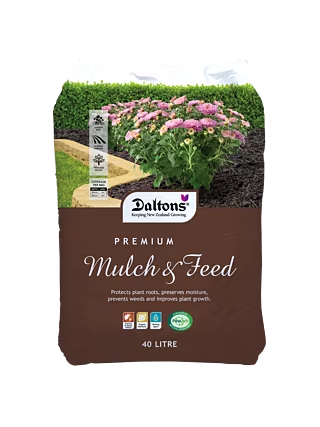
- Add a layer of Daltons Premium Mulch & Feed to lock in moisture.
- Water in well.
- For bushier or sprawling varieties, add a small stake now to avoid disturbing roots later.
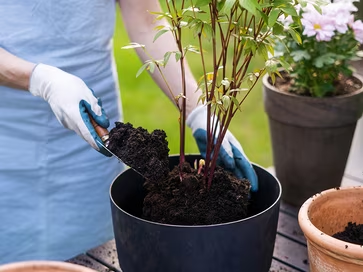
Growing in Pots
- Choose a container 25–30 cm wide with good drainage holes.
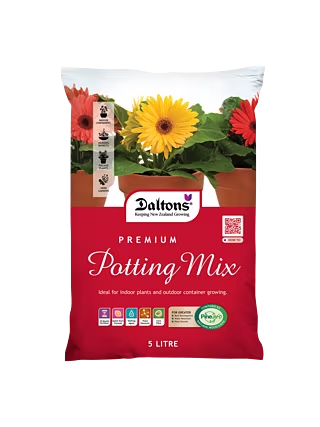
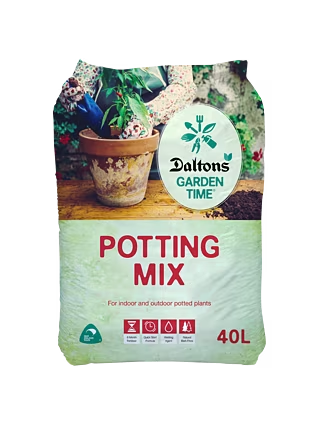
- Fill with Daltons Premium Potting Mix or Garden Time Potting Mix.
- Firm lightly and water to settle the mix.
- Top up if needed, leaving 2–3 cm space below the rim.
- Add a thin layer of Daltons Premium Mulch & Feed on top to help retain moisture.
- Place pots in a warm, sunny, sheltered spot and protect from frost.
- Water regularly, pots dry out faster than garden beds.
- Plant only one chilli per container to give it plenty of room to grow.
Fertilising
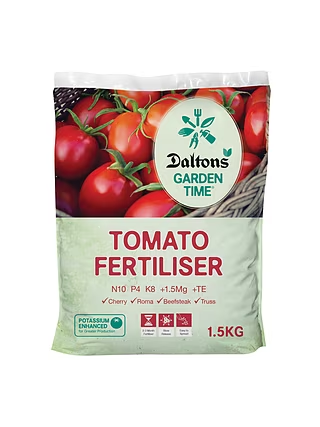
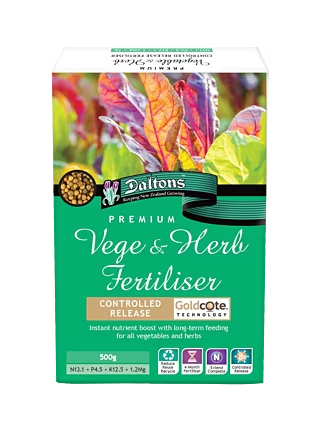
- Feed every 4-6 weeks with Daltons Premium Vege & Herb Fertiliser or Garden Time Tomato Fertiliser and water in well. Yes, you can use tomato fertiliser on chilli plants as they are both heavy feeders with similar nutrient requirements.
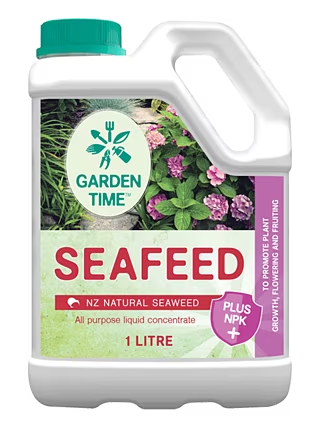
- Chilli plants, especially those in containers benefit from Daltons Seafeed waterings applied every 7-10 days
Watering
- Water deeply two to three times a week, depending on weather.
- Always water at the base, keeping leaves dry to reduce the risk of fungal disease.
- Keep soil consistently moist but not soggy.
- Maintain a good mulch layer to conserve moisture. Explore our range of bagged mulch and bark products.
- Check on pots in hot weather daily! They dry out much faster than garden beds.
Fruiting
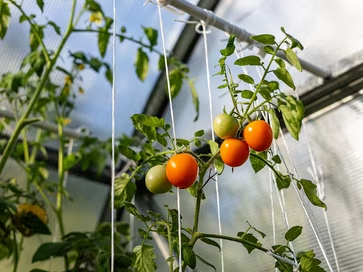
Fruit usually begins forming 8–10 weeks after planting, with ripening following 3–5 weeks later depending on variety and temperature. Most plants will produce fruit from mid-summer through early autumn.
Harvesting
Pick chillies green for a milder flavour or leave them to ripen red, orange, or yellow for more heat and sweetness.
- Regular picking encourages more fruit to form.
- Use clean scissors or secateurs to avoid damaging stems.
- Chillies can be dried, frozen, or preserved in oil or vinegar.

General Care and Maintenance
- Always maintain a good layer of mulch around your plants, especially in summer, to retain moisture, add nutrition, and suppress weeds. Explore our range of bagged mulch and bark products.
- Remove damaged and diseased leaves promptly.
- In cooler climates, you can overwinter plants in a greenhouse, or sunny indoor spot. Chillies can survive for several seasons if protected from frost.
Pests and Diseases
- Protect young seedlings from slugs and snails with traps.
- Hose off aphids and whitefly with water or use natural sprays.
- Prevent root rot by ensuring soil and pots drain well.
- Powdery mildew: avoid overwatering, ensure adequate airflow and remove affected leaves.
Gardening Terms Explained
- Capsaicin / Scoville Scale: Capsaicin is the compound that gives chillies their heat; the Scoville Scale measures that heat intensity.
- F1 hybrid: A first-generation cross between two parent plants bred for improved vigour, yield, or disease resistance.
- Frost-tender / warm-season crop: Plants that can’t tolerate frost and must be grown in warm conditions.
- Heirloom: Traditional open-pollinated plant varieties valued for flavour and character.
- Mulch: A layer of bark, compost, or other organic material spread over soil to retain moisture and suppress weeds.
- Pinching out: Removing the soft growing tips to encourage bushier growth and more branches.
- Self-pollinating: Plants that can pollinate themselves without needing another plant or insect.
- Side dressing: Applying fertiliser around the base of plants during the growing season for a nutrient boost.