How to Grow Brassicas
Brassicas include a wide range of vegetables such as broccoli, cabbage, cauliflower, Brussels sprouts, kale, and pak choy. Rich in fibre, and high in vitamins C and K, these nutrient-dense veggies are ideal for growing in New Zealand’s cooler months, offering flavour and versatility in the kitchen, and a steady supply of fresh produce.
Read our step-by-step guide for bountiful brassica harvests!
Choosing the Right Spot
Brassicas like a sunny, sheltered spot with around 4–6 hours of sun a day. The better the conditions, the stronger and more productive your plants will be.
Ideal Planting Conditions
- Fertile, free-draining soil that holds moisture but doesn’t get boggy/soggy.
- Raised beds or large containers with fresh, nutrient-rich mix.
- Before planting, dig through Daltons Compost or Daltons Garden Mix to give your soil a boost.
- For pots, use Daltons Premium Potting Mix and choose deep containers with room for roots.
Planting in the Garden
- Avoid low-lying areas that hold water in wet weather.
- Brassicas hate being crowded, so give them plenty of elbow room. Good spacing helps airflow and reduces the risk of fungal issues.
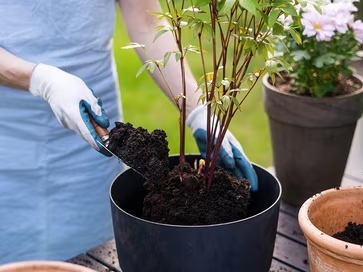
- Prepare your planting area well with plenty of Garden Time Compost and Garden Time Vegetable Mix. Mix with existing soil till it is fine and crumbly.
- Plant seedlings deep enough to bury the base of the stem, this keeps them stable and encourages strong root development.
- Sprouting broccoli is great for continual picking, and mini varieties are a good fit for smaller spaces.
Growing in Containers
- Smaller varieties like mini broccoli, cauliflower, and cabbage are ideal for pots.
- Use Daltons Premium Garden Mix to get the best results as it is specifically designed for pots and containers.
- Kale also thrives in containers and can produce for months if well fed and watered.
Crop Rotation
Avoid planting brassicas in the same spot as last year. Rotating your crops helps prevent soil-borne diseases like clubroot and keeps your soil healthier over time. Learn more about crop rotation here.
Sowing/Planting Tips
- Start seeds in trays and transplant once they’re strong enough to handle.
- Sow seeds or plant seedlings every few weeks – this is called succession planting, and it keeps your harvest going over a longer period.
- In warmer regions, you may be able to plant later – just keep an eye out for pests like white butterfly.
When to Plant
Brassicas grow best during the cooler months - autumn, winter, and early spring. In warm, humid conditions, they can “bolt,” which means the plant rushes to flower and set seed before it’s fully matured, often resulting in smaller crops and bitter-tasting leaves or heads. That’s why it’s best to avoid planting in mid-summer.
Here’s a quick guide to help you time things right:
| Crop | Sow Seeds | Plant seedlings | Notes |
| Asian greens (like pak choy) | Feb–Aug (Late summer to late winter) | Mar–Sep (Autumn to early spring) | |
| Broccoli | Jan–Apr (Mid-summer to early autumn) | Feb–Jun (Late summer to early winter) | |
| Brussels sprouts | Dec–Feb (Early to late summer) | Jan–Mar (Late summer to early autumn) | Need a long growing season - start early for a good winter harvest. |
| Cabbage | Jan–Apr (Mid-summer to early autumn) | Feb–Jun (Late summer to early winter) | |
| Cauliflower | Jan–Apr (Mid-summer to early autumn) | Feb–Jun (Late summer to early winter) | |
| Kale | Feb–Aug (Late summer to late winter) | Mar–Sep (Autumn to early spring) | |
| Kholrabi | Feb–May (Late summer to late autumn) | Mar–Jun (Autumn to early winter) | Can bolt if planted too late in autumn, especially in the South Island. |
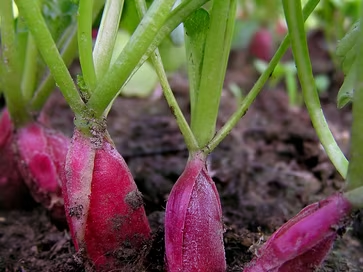
| Radishes | Year-round (Best Feb–Sep) | Direct sow only | Fast growers – great for quick results and succession sowing. |
| Turnips | Feb–Aug (Late summer to late winter) | Mar–Sep (Autumn to early spring) | Fast growers - great for quick results and succession sowing. |


Watering
Brassicas like their soil to stay consistently moist, not too wet, not too dry.
A good layer of mulch around the base of plants helps lock in moisture and keep things steady, especially during dry spells.
- Use Daltons Mulch & Grow to help retain moisture and suppress weeds.
- Always water at the base of the plant, not over the leaves—this helps prevent mildew and fungal issues.
- Avoid overwatering, as soggy roots can lead to rot.
Fertilising
Brassicas are heavy feeders which means they need plenty of nutrients to grow.
- Feed every 3–4 weeks with Daltons Garden Time™ Vegetable Fertiliser to support strong growth and healthy harvests.
- Use Garden Time™ Seafeed as a gentle liquid feed every 7–10 days, especially for leafy types like kale and pak choy.
- Go easy on high-nitrogen fertilisers – they’ll encourage too much leafy growth and not enough heads or roots.
Pests & Diseases
Brassicas are hardy, but they can still fall victim to a few common garden pests. Keep an eye out and act early:
- White butterfly caterpillars: These love laying eggs under brassica leaves. Cover plants with mesh or netting, or gently remove eggs and caterpillars by hand.
- Slugs and snails: These guys can devour young seedlings quickly – set traps or use bait if needed.
- Aphids: Often found clustering on fresh growth. A firm spray with the hose usually does the trick. Get more aphid advice here.
- Clubroot: This soil-borne disease causes swollen roots and stunted growth, especially in cabbage and cauliflower. The best defence is crop rotation, don’t plant brassicas in the same spot two years running. Learn more about crop rotation here.
Harvesting
- Broccoli: Harvest central head before it flowers. Smaller side shoots may follow.
- Cabbage: Ready when heads are firm and compact.
- Cauliflower: Harvest when heads are tight and white. Don’t wait too long or florets will loosen and yellow.
- Kale: Pick lower leaves regularly. Plants can produce for months.
- Brussels sprouts: Begin harvesting from the bottom when sprouts are firm and about 2–3cm wide.