How to Grow Strawberries
There’s nothing quite like the taste of sun-warmed strawberries picked fresh from the garden. Strawberries are one of the easiest fruits to grow – perfect for new gardeners and a great way to get kids involved too. Give them their own pot or patch to look after, and they’ll love harvesting sweet berries they’ve grown themselves.
Whether you’re planting into the veggie patch or popping a few in pots, this guide will walk you through everything you need to know – choosing the right varieties, when and how to plant, and how to keep your strawberries healthy and fruiting right through the season.
Selecting the Right Variety
Different strawberry varieties fruit at different times, so planting a mix can help stretch your harvest across the season. Here are some top picks for New Zealand home gardens:
| Camarosa | Early cropping with large, firm fruit. Tolerates cooler, moist conditions, so it’s a good choice for southern regions. |
| Pajaro | A reliable all-rounder with excellent flavour and consistent yields. |
| Camino Real | Heavy cropping with dark red, sweet berries that fruit later in the season, helping to extend your harvest. |
| Ventana | Another early variety, similar to Camarosa, with slightly higher early yields. Produces sweet, firm berries and grows well in cooler areas. |
| Albion | A variety that doesn’t rely on day length to produce fruit, so it crops repeatedly throughout the season. Berries are large, sweet, and aromatic. It’s becoming more available through NZ nurseries and is ideal if you want fruit over a longer period. |
Prime Planting Time
- Planting can begin from May through to early spring, depending on when plants become available at your local garden centre.
- If you’re planting out runners, aim to get them in by August at the latest so they have enough time to establish before fruiting.
Ideal Planting Conditions (soil, site, sun, etc)
- Strawberries thrive in full sun and warm, free-draining soil. Choose a sheltered spot that gets plenty of sunshine.
- If your soil is heavy or clay-based, improve it by working in organic matter or Daltons Garden Time Strawberry Mix, and plant into raised mounds for better drainage.
Planting in the Garden
- Run rows north to south for even sun exposure and ripening.
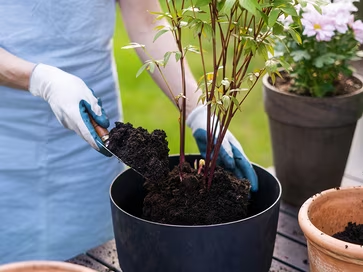
- Work Daltons Garden Time Strawberry Mix into the soil to about 1½ spade depth before planting.
- Space plants about 15cm apart and plant into mounded rows to encourage warmth and better drainage.
- Keep the crown (where the leaves meet the roots) sitting just above ground level.
- Mulch well to retain moisture, reduce weeds, and keep fruit clean. Explore our range of bagged mulch and bark products.
- Once plants flower, protect them with bird netting so you get to the fruit before the birds do!


Growing Strawberries in Containers
Strawberries grow beautifully in pots, troughs, or hanging baskets.
- Use Daltons Garden Time Strawberry Mix – it contains the right balance of slow-release nutrients and moisture-retaining ingredients.
- Always mulch the top of your container to help keep moisture in.
- Place pots in a warm, sheltered spot that gets plenty of sun, ideally north-facing.
- Refresh the mix each season for healthy plants and good fruiting.
Fertilising
- If you’ve used a quality strawberry mix, additional feeding is only needed from mid-spring.
- Apply a side dressing of Daltons Garden Time Strawberry Fertiliser in October and again in November to encourage strong growth and fruiting.
- Avoid overfeeding—too much fertiliser can result in leafy growth at the expense of berries.
Watering
Strawberries need regular watering, especially during dry spells and when grown in containers.
Keep the soil evenly moist – not soggy. Overwatering can lead to watery, tasteless fruit and increase the risk of Botrytis (grey mould), especially in humid conditions.

Harvesting
- Strawberries are ready to pick when they’re fully red, glossy, and fragrant – don’t wait too long, as they won’t ripen further once picked.
- Harvest in the morning when fruit is cool and firm and always use scissors or snip with your fingers just above the green cap (calyx) to avoid damaging the plant.
- Check plants daily during peak fruiting as berries ripen very quickly – especially in warm weather.
- Regular picking encourages more fruit to form, so the more you harvest, the more you get!
- Strawberries are best eaten fresh, but they also freeze well. To freeze, wash gently, hull, and lay them out on a tray to freeze individually before transferring to containers or bags.
General Care and Maintenance
- Replace plants every 2–3 years. Older plants slow down and are more prone to viruses. Planting fresh runners each season keeps your crop healthy and productive.
- Keep weeds out. Strawberries don’t like competition, so maintain good garden hygiene.
- Mulch regularly to keep soil moist, fruit clean, and prevent rot.
- Remove runners if you want the plant to focus its energy on fruit. Or save by potting a few to grow new plants for next season.
Issues, Pests and Diseases
- Grey mould (Botrytis): Keep plants well-spaced for airflow, avoid wetting the foliage, and remove any rotting or damaged fruit and leaves.
- Poor fruiting can happen if plants are in too much shade, over-fertilised, or the weather has impacted pollination. Try hand-pollinating with a soft paintbrush during flowering.
- If you have small berries, this could be due to poor soil, water stress, or older plants past their peak. Try replacing them with new stock and feeding as recommended.
More Helpful Information
Read our range of Strawberry Q&A’s to answer common questions and give you even more helpful tips.