How to Propagate from Cuttings
Propagating plants from cuttings is a simple, rewarding, and budget-friendly way to grow your garden. It’s easier than you think - so why not give it a go?
Whether you’re a first-timer or a seasoned gardener, these steps (with a little help from Daltons Premium Cutting Mix) will set you up for success.
Cutting Types & Timings
While the timing below is common practice, remember that both softwood and semi-hardwood cuttings can theoretically be made at any time of the year. The important factor is the condition of the plant material, not the calendar.
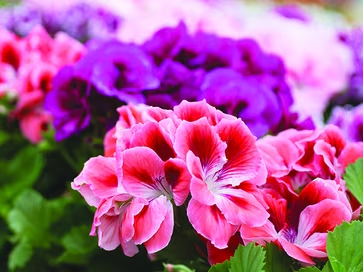
- Softwood Cuttings (spring/summer): Taken from soft, new growth - ideal for fast growers like herbs, annuals, and perennials (e.g., geraniums, petunias, fuchsias, salvias).
- Semi-Hardwood Cuttings (late summer/autumn): Partially matured stems suited to shrubs like camellias, gardenias, azaleas, lavender, hebes, and rosemary.
- Hardwood Cuttings (late autumn/winter to early spring): Mature, woody stems perfect for deciduous trees, shrubs (e.g., roses, hydrangeas), and some hedge plants like corokia, griselinia and buxus.

Image

What You Need for Propagation
- Healthy specimen plant – pest and disease free
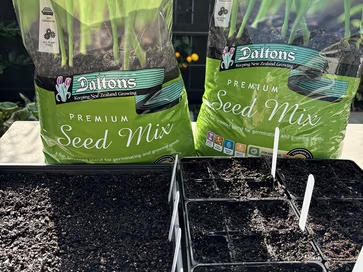
- Daltons Premium Cutting Mix
- Clean, sharp secateurs (sterilise tools before use to prevent disease transfer)
- Small pots or a propagation tray
- Rooting hormone (optional, but recommended for hardwood cuttings)
- A clear plastic cover, propagator, or even a plastic bag to maintain humidity
Taking Cuttings
- Take cuttings just below a node, where the leaf meets the stem. Nodes are packed with growth hormones that help roots form.
- Ensure stems are pest-free and undamaged for the best chance of success.
- Cuttings should be 10-15cm long to provide enough material for root development
- Remove leaves from the lower half and trim large leaves to reduce water loss.
- If the material is suitable, multiple cuttings can sometimes be taken from the same stem. Divide longer stems into multiple sections with at least one node each.
Planting Your Cuttings
- Prepare the Mix: Fill pots or a propagation tray with Daltons Premium Cutting Mix. Lightly water to moisten but avoid making the mix overly wet.
- Use Rooting Hormone (Optional): Dip cuttings into rooting hormone for faster growth, especially for harder wood types.
- Insert the Cuttings: Plant the cuttings into the mix, ensuring at least one node (the part of the stem where leaves were removed) is buried. Firm the mix gently around the base of each cutting.
- Space Wisely: Space the cuttings apart to allow airflow and prevent overcrowding.
- Keep it Humid: Cover the pot or tray with a clear plastic cover or propagator lid. Ensure the cover does not touch the cuttings directly.
- Label Your Cuttings: Use plant labels to track the type of plant and date of propagation for easy monitoring.
Caring for Your Cuttings
- Watering: Keep the mix consistently moist but not soggy. Check daily to ensure consistent hydration.
- Light: Place the cuttings in a bright, warm area with indirect sunlight. Avoid direct sunlight, which can cause overheating.
- Temperature: Maintain 18-24°C for optimal growth. A heat mat can help in cooler months.
- Humidity: Maintain high humidity by misting the cuttings. Replace the cover if condensation starts to fade.
- Monitoring Root Development:
- Check for root growth after 3-6 weeks, depending on the plant type. Softwood shrubs like fuchsias, hebes, and lavender develop roots within 3-4 weeks.
- Gradually reduce humidity and "harden off" the cuttings by removing the cover for longer periods each day.
Transplanting Rooted Cuttings Once Established
- Prepare a New Pot: Use Daltons Premium Potting Mix to support further healthy growth.
- Transplant Gently: Carefully lift the rooted cutting, keeping its delicate roots intact.
- Water In: Water the newly transplanted cutting to settle the mix around its roots.
- Harden Off: Gradually introduce the plants to outdoor conditions over 1-2 weeks before planting in their final location.
- Foster Growth: Keep them in a sheltered spot until they show new leaves or roots reach the pot’s base.
Troubleshooting Common Issues
- Cuttings Wilting: Ensure high humidity and consistent moisture levels. Avoid placing cuttings in direct sunlight.
- No Root Growth: Check if the cuttings were taken from healthy parent plants and review light, temperature, and humidity conditions.
- Mould or Rot: Remove affected cuttings, improve ventilation, and avoid waterlogging the mix.
For more cuttings advice: READ OUR Q&As