July Gardening Tasks
July may be the middle of winter, but there is still plenty to do. Asian greens can keep the vege patch productive, daphne brings beautiful winter fragrance, citrus is ready to harvest, and hardwood cuttings are a simple way to grow more plants from the garden you already have.
While plants are dormant, it is also a good time to plant new roses, trees and shrubs, prune established plants and move existing roses if needed.
In the Vegetable Garden
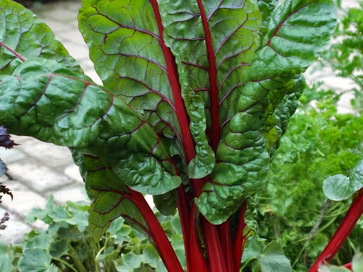
Keep harvesting broccoli, Brussels sprouts, cauliflower, celery, kohlrabi, leeks, lettuce, parsnips, radish, silverbeet and spinach. Where soil is not too wet, plant seedlings of cabbage, cauliflower, broccoli and lettuce. Work fresh compost through the bed first to help seedlings settle in.
Grow Asian Greens for Winter Meals
Asian greens are great for quick, fresh winter picking, especially for stir-fries, soups, broths and warm seasonal meals. They also work well in smaller gardens, raised beds and containers. Many can be picked within a few weeks of sowing, and with a bit of succession planting, you can keep a steady supply going all season.
- Try pak choi, bok choy, tatsoi, mizuna, mustard greens or Chinese cabbage.
- Plant seedlings in a sunny, sheltered spot with free-draining soil.
- Refresh the soil with compost or garden mix before planting to help plants settle in. Keep young plants weed-free.
- Read our How to Grow Asian Greens Guide for full planting and care advice.
Care for Cyclamen
- Cyclamen are one of the best indoor plants for winter colour. Place them in a bright spot away from direct heat and avoid overwatering.
- Remove finished flowers and tired leaves by gently twisting them away from the base of the plant.
- If cyclamen start to look a little flat, move them outside to a sheltered position for a few days to freshen up, then bring them back indoors.
Enjoy Daphne in Flower
Few winter shrubs stop you in your tracks like daphne. Their gorgeous scent and the soft clusters of colour on a cold morning make it one of the real highlights of the winter garden.
- What to look for when buying daphne plants: Choose a plant with healthy, shiny leaves, rich green colour and a well-branched shape. Avoid those with dull, wrinkled or dehydrated foliage.
- Best New Zealand daphne varieties: Daphne odora 'Aureomarginata' or 'Rubra' and Daphne 'Perfume Princess' are top choices, known for their robustness, larger flowers, and outstanding fragrance.
- Soil: Plant in well-drained soil as they dont like wet feet. Add compost and our Premium Acid Mix for the best start.
- Position: Daphne prefer shade or early morning sun. A sheltered spot near a path or entrance is ideal, where you can enjoy the fragrance as you pass by.
For more daphne advice, read our Q&A's here.


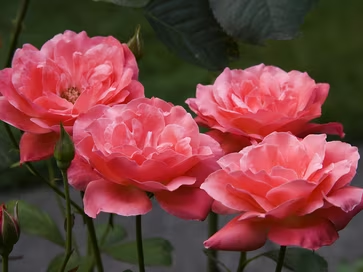
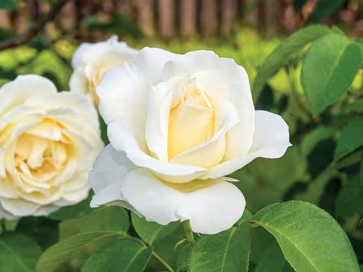
Plant, Prune and Move Roses
June and July are key months for roses. While plants are dormant, it is a good time to plant new roses, prune established plants, and move existing roses if needed.
Plant New Roses
Bare-root and potted roses can be planted now. Choose a sunny position with good airflow and prepare the soil well before planting.
Planting:
- Improve the soil with compost or Daltons Premium Garden Mix.
- Soak bare-root roses before planting in Daltons Garden Time Seafeed to help the plant settle in.
- Dig a generous planting hole and spread the roots out carefully.
- For potted roses, avoid disturbing the root ball too much.
- Water in well after planting.
- Add mulch around the base, keeping it clear of the stems.
Move Existing Roses
If you want to move a rose to a new location, do it while the plant is dormant.
- Prepare the soil and new planting hole first so the rose can be replanted straight away. (see above)
- Prune the rose before moving if needed, then dig carefully around the plant and lift it with as much of the root system as possible.
- Replant immediately into your prepared soil, water in well, and mulch around the base.
Prune Established Roses
Finish pruning established bush and climbing roses this month.
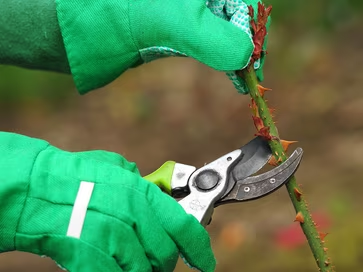
- Use sharp, clean secateurs and start by removing dead, diseased, weak or crossing stems.
- Aim to open up the centre of the plant so air can move through it.
- Cut back to healthy outward-facing buds and remove old leaves and pruning debris from around the base.
- After pruning, spray with copper to help control overwintering black spot and rust.
- Add fresh compost around existing roses to improve the soil before spring growth begins.
Plant a Herb Pot Close to the Kitchen
Keep fresh flavour close at hand with a pot of herbs near the kitchen. Parsley, thyme, chives, coriander and rosemary are useful options for soups, roasts, broths and everyday meals.
- Choose a sunny, sheltered spot and plant with Daltons Premium Potting Mix.
- Ensure your pot has drainage holes.
- Water only when needed, as herbs in pots can struggle if they sit wet through winter.
Older perennial herbs growing in the garden can be tidied lightly now, but save any hard cutbacks until early spring.
Citrus and Early July Fruit Jobs
Get two time-sensitive jobs done early this month:
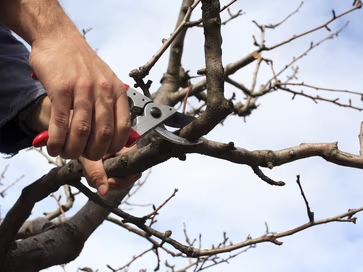
- Finish pruning pip and stone fruit trees if you haven't already (keep height manageable, a tree you can actually reach to pick from is worth far more than a tall one),
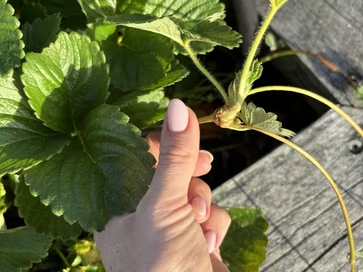
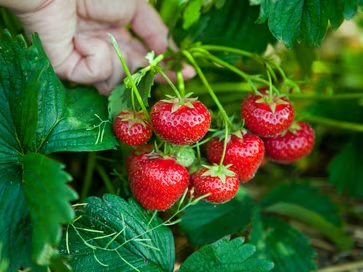
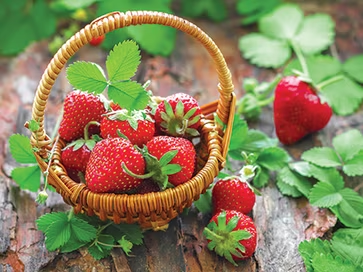
- Get strawberries planted if you haven't alrady - use our Garden Time Strawberry Mix in the garden or pots.
Lemons, oranges, clementines and mandarins should be ready to harvest now. Taste-test before picking a large amount, as citrus is best harvested once fully coloured and ready. In frost-prone areas, keep frost cloth handy for young or exposed trees on the coldest nights.
For citrus in pots, check containers are draining freely and are not sitting in saucers of water.


Grow More Plants from Hardwood Cuttings
Hardwood cuttings are pieces of mature, woody stems taken while plants are dormant, then grown on to form new plants.
They are a cost-effective way to grow more of the plants that already do well in your garden, especially for hedges, borders and garden gaps.
This month, take cuttings from your favourite deciduous trees and shrubs, including roses and hydrangeas (save hydrangea pruning until after the last frost), as well as hedge plants such as corokia, griselinia and buxus.
Use clean, sharp secateurs, choose healthy pest-free stems, and plant cuttings into Daltons Premium Cutting Mix. For step-by-step advice, read our guide to propagating plants from cuttings.
The Night-Time Pest Check
A torch and ten minutes after dark is one of the most useful jobs you can do for the vege patch right now.
- Head out after rain or once it’s properly dark and check leafy crops, seedlings, pots and anywhere damp and sheltered.
- During the day, peel back the lower leaves of brassicas, lettuce and spinach. Slugs and snails often tuck in close to the stem to wait out daylight hours.
- Tidy away old leaves, weeds and garden debris where slugs and snails can hide.
- Protect vulnerable seedlings and young leafy crops, especially in warmer regions where pests can stay active through winter.
Quick Answers
What should I do in the garden in July in New Zealand?
In July, focus on planting Asian greens, harvesting winter vegetables, enjoying daphne in flower, harvesting citrus, taking hardwood cuttings, checking for slugs and snails at night, caring for winter herbs and houseplants, and planting, pruning or moving roses while they are dormant.
What vegetables can I grow in July in New Zealand?
Asian greens such as pak choi, bok choy, tatsoi, mizuna, mustard greens and Chinese cabbage are well suited to July. You can also keep harvesting established winter crops including broccoli, cauliflower, leeks, silverbeet and spinach.
Can I plant roses in July?
Yes. July is one of the best months to plant bare-root and potted roses while they are dormant. Prepare the soil with compost, soak bare-root plants before planting, water in well and mulch around the base.
Can I move roses in July?
Yes. While roses are dormant, July is a good time to move them from one position to another. Prepare the new hole first, lift with as much root as possible, replant straight away and water in well.
When should I prune roses in New Zealand?
June and July are key months for rose pruning in many parts of New Zealand. Remove dead, diseased and crossing growth, cut to outward-facing buds, then spray with copper after pruning.
What should I look for when buying daphne?
Choose daphne plants with healthy, shiny leaves, rich green colour and a well-branched, balanced shape. Avoid plants with dull, wrinkled or dehydrated foliage.
Can I take hardwood cuttings in July?
Yes. July is a good time to take hardwood cuttings from suitable deciduous trees and shrubs, including roses and hydrangeas, as well as hedge plants such as corokia, griselinia and buxus. Use a quality cutting mix and keep cuttings in a sheltered, bright spot out of direct sun.
What citrus can I harvest in July?
Lemons, oranges, clementines and mandarins may be ready to harvest in July, depending on your region and variety. Taste-test before picking a large amount, as citrus is best harvested once fully coloured and ready.