Thrips on Hedges: Grey Leaves and Black Dots
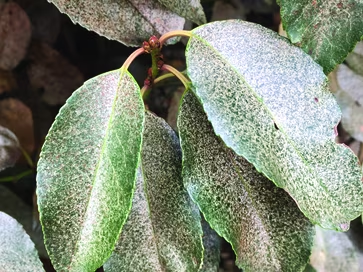
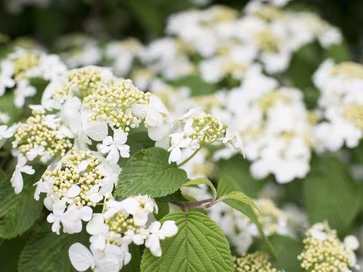
My viburnum hedge leaves are turning a fawny grey colour with lots of tiny black dots on them. I’ve sprayed four weeks in a row with an aphid and mite spray but it hasn’t helped. New leaves look wilted and curled, and normally the hedge would be in flower now. Could this be aphids?
From your description, it is more likely that your hedge has been affected by thrips, rather than aphids.
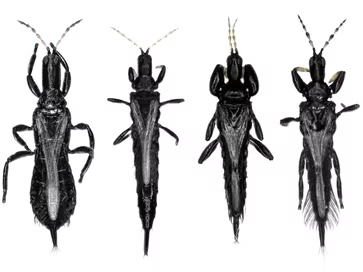
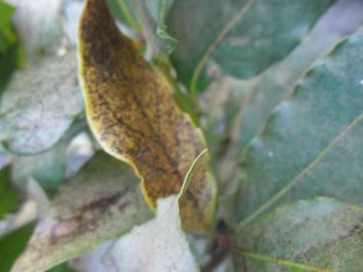
Thrips are extremely small insects that attack many plants, including hedges such as viburnum. They feed by scraping the surface of the leaf and sucking out the sap. This feeding damage often causes silvery or grey discolouration on the upper side of the leaves, while tiny black dots (their droppings) are commonly visible as well.
Even if spraying has reduced the thrips population, the leaf damage will remain until those leaves naturally fall and are replaced by new growth during the next growing season.
To help reduce further problems:
- Keep the hedge healthy and vigorous with regular care.
- Clip hedges during the summer months to encourage fresh growth.
- During extended dry spells, give the hedge deep watering to avoid stress.
- It is also worth noting that viburnum hedges can become quite woody once they reach around ten years of age, and the leaves may appear smaller or less vigorous over time.
- To extend the life of your viburnum hedge, regular clipping over the summer months as well as fertilising with Daltons Premium Tree and Shrub Fertiliser, and deep watering when extended dry spells are experienced, will all help maintain your hedge in healthy condition.
If the hedge continues to decline, it may be worth discussing options with your local garden centre. They can help you decide whether to rejuvenate the hedge or consider replanting with a species better suited to your conditions.