December Gardening Tasks
The first month of summer brings a burst of almost unbelievable growth. Fresh vegetables planted in early spring are ready to harvest, flowers are blooming, and the whole garden feels alive. It’s also a great time to tidy paths, trim overgrown plants, and refresh pots to create inviting outdoor spaces for Christmas entertaining and summer BBQs.

Vegetable & Herb Garden
Harvest
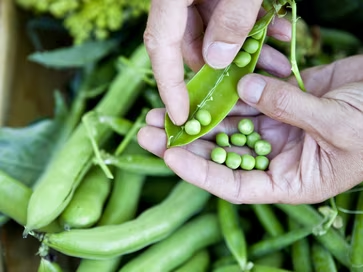
- Courgettes are at their peak; pick them small and often to keep plants productive and avoid oversized fruit.
- Powdery mildew can appear during warm, humid weather; good airflow and consistent soil-level watering help reduce its impact – read more advice here.
- Herbs such as basil, mint, chives, parsley, and rosemary thrive with regular picking and are perfect for summer meals.
- Regularly harvest leafy crops to encourage fresh, tender regrowth.
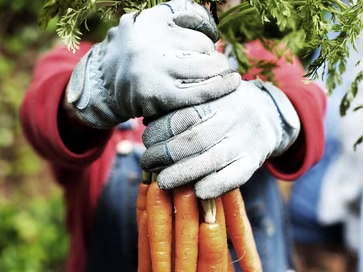
- Early planted potatoes may be ready to be harvested in time for Christmas.
Plant
- Keep sowing and planting quick crops like basil, rocket, lettuce, beans, cucumbers, radish, spinach, and spring onions to maintain a steady supply.
- Succession planting lettuces and leafy greens every few weeks helps avoid bolting in the heat and keeps salads coming.
- For later-summer harvests, plant beetroot, carrots, celery, corn, onions, silver beet, and more courgettes/zucchini.
Maintenance
- Provide temporary shade for new or young seedlings during the hottest part of the day to protect them from heat and prevent wilting.
- Water plants deeply to support strong, steady growth through extended dry spells.
- Tomatoes carry heavier fruit now - support trusses, regularly check for pests and diseases, maintain good airflow, and water consistently to reduce blossom-end rot.
Grapes
- Vines put out vigorous growth this month; remove excess shoots and train fruiting stems along wires to maintain airflow.
- Water deeply during dry spells, especially for young vines still establishing their framework.
- Thin grape clusters lightly if they form too densely - this improves air movement and helps fruit ripen better later on.
- Remove basal shoots (suckers) to keep energy focused on productive growth.
- Provide temporary shade for young vines if they wilt during intense heat.
Fruit Trees
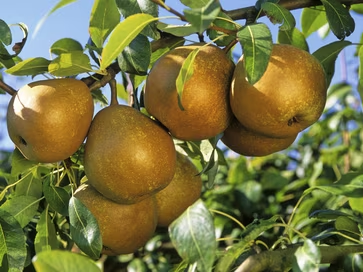
- Early variety peaches, plums, apricots, and cherries begin ripening towards the end of the month. Harvest fruit when it smells fragrant and comes away easily.
- Lightly prune where growth is not required to improve access to fruit and airflow where branches are overcrowded.
- If you planted new fruit trees over winter, keep a close eye on them and check regularly for water and nutrient needs.
- Net trees if birds become troublesome.
- If you haven’t set a codling moth trap for your apple trees yet, get on to it asap. Trapping early helps break the cycle and protects developing fruit – read more here.
- Applying mulch around trees now helps conserve moisture and suppress weeds around the root zone.
Berry Fruit
- Strawberries, blueberries, raspberries, boysenberries, and hybrid berries ripen rapidly – pick daily, ideally in the morning to encourage continual fruiting and stay ahead of birds.
- Water strawberries sparingly and only when soil becomes very dry to avoid disease.
- Top up mulch around berry beds to help keep roots cool during hot spells.
- December is peak season for many raspberries - thin excessive new growth and tie up fruiting canes for easier picking and better airflow.
Image

Image


Flower Gardens
- Summer bloomers are vibrant now; regular deadheading keeps flowers coming and helps prevent disease.
- Thin overcrowded plantings to improve airflow, especially in humid conditions.
- Fill any gaps with heat-loving annuals like asters, ageratum, cosmos, marigolds, petunias, strawflowers, salvias, and zinnias.
- Containers and hanging baskets can dry out super fast quickly so water in the morning and consider adding Daltons Garden Time Water Storage Crystals.
- Hydrangeas look stunning now. Keep them well watered to help them cope with afternoon heat and hold their blooms through summer.
Roses
- The first burst of summer flowering on many rose bushes is now finishing.
- Time to give plants a light summer pruning to stimulate new growth and a fresh wave of blooms early next year.
- Mulch with either with Garden Time Compost or Premium Mulch & Feed to help keep the root zone cool and moist.
- Water deeply and regularly, particularly during dry spells, aiming at the soil rather than the foliage.
- Diseases such as black spot and rust often appear at this time of year - remove affected leaves from the property (do not put in compost bin) and consult our How to Grow Roses guide for advice on treating.
Indoor Plant Care
- Many indoor plants thrive in summer warmth but can scorch if placed too close to sunny windows — keep foliage away from direct afternoon sun.
- Ensure plants receive bright, indirect light and maintain consistent watering without overwatering.
- Mist humidity-loving plants or group them together to create a more humid microclimate.
Mulching & Watering
- Top up mulch across garden beds to help retain moisture and protect soil.
- Check irrigation systems and hoses before heading away for the holidays. A timer can be a game changer during hot spells.
- Watch for signs of plant stress: drooping leaves, dry soil, or scorched foliage appear quickly in late December. Give them a hand by applying Daltons Garden Time Seafeed or Kiwi Garden Plant Stress Solution.
Container Gardens
- Containers heat up quickly and dry out faster than garden beds - water in the morning and monitor soil moisture closely.
- Apply a layer of mulch, decorative bark, or stones on top of containers and pots to help lock in moisture and give them a tidy, finished look.
- Move pots into gentle afternoon shade or under trees if plants are showing signs of heat stress.


Hedges
- Trimming hedges early in December is a good way to make the most of summer growth.
- The key to growing a dense, healthy hedge is regular, careful pruning to encourage plenty of new growth.
- Like any plant, hedges respond well to fertilising - it helps support good growth, strong leaf colour, and flowering on varieties that produce blooms.
Lawn Care
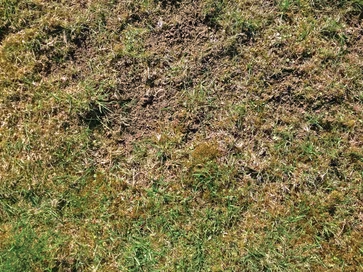
- Avoid mowing too low - slightly longer grass shades the soil, protects the roots, and helps retain moisture.
- Irrigate in the cooler parts of the day, especially the evening, to soak into the roots overnight.
- Keep mower blades sharp for a cleaner cut that reduces lawn stress.
Pest & Diseases
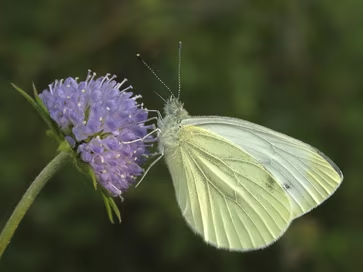
- Warm weather brings out a whole mix of pests - aphids, thrips, whitefly, mites and caterpillars can all appear quickly at this time of year. A quick daily check of new growth makes a big difference, and catching problems early keeps everything far easier to manage.
- Healthy, well-watered plants with good airflow are far more resilient. Giving them a regular feed and removing any damaged leaves as you spot them helps keep growth strong and reduces the chance of disease taking hold.
- Read our Q&A’s for help identifying and treating common pests and diseases.