How to Grow Winter Veggies
Winter vegetables are easy to grow in New Zealand and can keep your garden productive through the colder months. With the right site, soil preparation and planting timing, you can harvest fresh veg right through winter.
Getting the Site Right
- Choose a sunny, sheltered spot, ideally north facing. Winter growth slows in cold, exposed areas, so positioning makes a real difference, especially in coolder climates.
- Good drainage is especially important over winter. Avoid areas where water sits, as cold, wet soil can lead to poor growth and root problems.
- When planning your winter vegetable garden, allow enough room between plants for air circulation and easy maintenance such as weeding and harvesting.
Soil Preparation
Good soil preparation is one of the most important steps for a successful winter vegetable garden. Aim for soil that is deep, loose, crumbly, free draining and rich in organic matter.
Prepare the bed one to two weeks before planting. This gives the soil time to settle and is worthwhile after removing older crops that may have used up much of the available nutrition.
- Before planting, remove old crops and weeds and dispose of them, rather than leaving them nearby where disease can carry over to winter vegetables.
- Work a generous layer of Daltons Garden Time Compost into the soil.
- Dig it through to around one to one-and-a-half spade depths to help aerate the soil, improve nutrient content and soil life.
Raised beds and planters
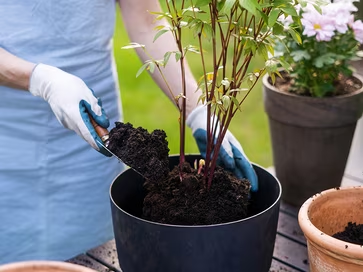
- Fill with either Daltons Premium Garden Mix or Daltons Garden Time Vegetable Mix
- Apply a very light layer of mulch around vegetable seedlings, as a thick layer can lead to cold wet soils in winter.
Planting Winter Vegetables
- Sow seed in trays with Daltons Premium Seed Raising Mix, and plant seedlings out later.
- Buy seedlings from your local garden centre and plant them directly into the garden. This is the quickest and easiest option in autumn, especially if you want to get winter crops established before temperatures drop further.
- Stagger plantings every two to three weeks for a more continuous harvest. These are all good choices for cooler weather and are relatively easy to grow through autumn and winter.
Reliable winter vegetables to plant include:
- Asian Greens like Pak and Bok Choy
- Broad beans
- Broccoli
- Brussel Sprouts
- Cabbage
- Cauliflower
- Kale
- Silverbeet
- Spinach


Growing Vegetables in Pots
If space is limited, winter vegetables can be grown very successfully in pots and containers. Good options include: Silverbeet, Spinach, Broccoli, Peas, Winter lettuce.
- Choose pots or containers with good depth and drainage, and fill them with Daltons Garden Time Vegetable Mix. These mixes contain balanced nutrients and hold moisture well.
- Refresh the mix in pots and containers each time you plant a new crop, as it can become depleted over time. Alternatively, older mix can be revived with Daltons Premium Vege & Herb Fertiliser.
- Place containers in a sunny, sheltered position away from strong winds.
- Add a layer of Daltons Premium Mulch & Feed on top for improved moisture retention.
Feeding and Watering
Winter vegetables are generally hardier than summer crops and need less feeding if the soil has been prepared well before planting.
- A light side dressing of fertiliser during early establishment (April–May) is usually enough.
- Always water fertiliser in well.
- Water less often in winter, but do not let soil dry out completely.
- Check containers more regularly, as they dry out faster than garden beds.

Protection and Garden Maintenance
Young seedlings are the most vulnerable in winter, so it helps to protect them from frost, birds and pests while they establish.
You can use:
- Jars or plastic bottles over seedlings at night
- Frost cloth or simple covers over hoops
- Bird protection where tender seedlings are being targeted
Remember to remove covers during the day.
Pests and Diseases
- Slugs and snails can still be a problem in winter, especially in northern parts of New Zealand. Protect plants with pet and child friendly slug and snail pellets, or try simple options such as beer traps and barriers like crushed shell, bark, propagation sand or sawdust.
- Good garden hygiene also helps keep pests and diseases at bay. Remove dead leaves and old foliage regularly, and keep weeds under control.
Empty Garden Beds
If you are not planting vegetables in some areas over winter, do not leave beds bare and exposed.
- Sow a green crop such as lupin or mustard to help protect and improve the soil.
- Once the crop reaches around 30cm high and before it flowers, chop it up and dig it back into the soil.
- Leave it to break down for six to eight weeks before planting again.
Quick Answers
What winter vegetables grow well in New Zealand?
Silverbeet, spinach, broccoli, cabbage, cauliflower, Brussels sprouts and broad beans are all reliable winter vegetables for New Zealand gardens.
Can I grow winter vegetables in pots?
Yes. Silverbeet, spinach, broccoli, peas and winter lettuce all grow well in pots and containers if they have good drainage, quality mix and enough sun.
When should I plant winter vegetables in NZ?
Autumn is the best time to plant winter vegetables, while the soil still has enough warmth to help plants establish well.
Do winter vegetables need much feeding?
No. If the soil is prepared well before planting, winter vegetables usually only need light feeding during early growth.

Regional Planting Guide
| Vegetable | Planting and harvesting (Warmer climates) | Planting and harvesting (Cooler climates) |
|---|---|---|
| Beetroot *Can be grown all year round | Planting: Sow direct in garden April/May (for winter crops). Harvesting: 8-10 weeks after sowing. | Planting: Sow direct in garden April/May (for winter crops). Harvesting: 8-10 weeks after sowing. |
| Broad Beans | Planting: Sowing direct: March-June. Harvesting: From August-October. | Planting: Sowing direct: March-June. Harvesting: From August-October. |
| Broccoli | Planting: Sow in seed trays from early March, and plant out in garden from April-May. Harvesting: July/August. | Planting: Sow in seed trays from late February, and plant out in garden from late March-mid May. Harvesting: July/August. |
| Brussels Sprouts *Grows better in colder climates | Planting: Sow in seed trays from mid/late January, and plant out in garden from April-May. Harvesting: July/August. | Planting: Sow in seed trays from mid/late February plant out in garden from April-May. Harvesting: July/August. |
| Cauliflower | Planting: Sow in seed trays from mid/late January and plant out in garden from March-April. Harvesting: July/August. | Planting: Sow in seed trays from mid/late January and plant out in garden from March-April. Harvesting: July/August. |
| Carrots | Planting: Direct sow anytime of the year. Harvesting: Throughout the year. | Planting: Direct sow anytime of the year. Harvesting: Throughout the year. |
| Kale (brocole) | Planting: Sow in seed trays from mid/late January and plant out in garden from March-April. Harvesting: July/August. | Planting: Sow in seed trays from mid/late January and plant out in garden from March-April. Harvesting: July/August. |
| Leeks *Can be grown all year round | Planting: Plant all year round. Sow in seed trays 6 weeks before planting. Harvesting: 3 months after planting. | Planting: Plant all year round. Sow in seed trays 6 weeks before planting. Harvesting: 3 months after planting. |
| Onions | Planting: Sow direct all year round. Harvesting: 8-12 weeks after planting. | Planting: Sow direct all year round. Harvesting: 8-12 weeks after planting. |
| Pak Choy/Bok Choy (Asian greens) *Can be grown all year round | Planting: Sow in seed trays from mid/late January and plant out in garden from March-May. Harvesting: 4-6 weeks after planting. | Planting: Sow in seed trays from mid/late January and plant out in garden from March-May. Harvesting: 4-6 weeks after planting. |
| Peas | Planting: Sow direct in garden April/May. Harvesting: 12 weeks after planting. | Planting: Sow direct in garden April/May. Harvesting: 12 weeks after planting. |
| Potato *Warm areas only | Planting: All year round. Harvesting: 4-5 months from planting. | Planting: All year round. Harvesting: 4-5 months from planting. |
| Silverbeet (Swiss Chard) *Can be grown all year round | Planting: Sow in seed trays from mid/late January (for winter crops) plant out in garden from March/April. Harvesting: Throughout winter. | Planting: Sow in seed trays from mid/late January (for winter crops) plant out in garden from March/April. Harvesting: Throughout winter. |
| Spinach *Can be grown all year round | Planting: Sow in seed trays from mid/late January (for winter crops) plant out in garden from March/April. Harvesting: Throughout winter. | Planting: Sow in seed trays from mid/late January (for winter crops) plant out in garden from March/April. Harvesting: Throughout winter. |
| Swede | *Cold regions only | Planting: Sow direct in garden April/May. Harvesting: Throughout winter (approx 12-14 weeks after planting). |
| Turnip | *Cold regions only | Planting: Sow direct in garden April/May. Harvesting: Throughout winter (approx 12-14 weeks after planting). |
| Parsnip | Planting: Sow direct in garden all year round. Harvesting: All year round. | Planting: Sow direct in garden all year round. Harvesting: All year round. |
| What vegetables you plant and when will depend on the area you live in. Always check that the variety you purchase is suited to your climate. | ||
Gardening Terms Explained
Green crops: The growing of a cover crop that will be dug back into the soil to improve soil quality. They are useful if you have empty garden beds, particularly over winter.
Hardy vegetables: These are vegetables that are tolerant of colder temperatures and grow best in this environment.
Harvest: To pick or collect the produce you have grown e.g. fruit and vegetables etc.
Mulching: A top layer of organic matter so the soil and plant are protected.
Side dressing: Means to apply fertiliser to the soil on or around the sides of the plant.
Soil aeration: Digging over soil to promote the movement of air and moisture through it. In particularly heavy soils you can add compost to help promote aeration of the soil.
Succession planting: Staggering your plantings or planting varieties so you do not have them all cropping at once.