How to Grow Tamarillos
Tamarillos, also known as tree tomatoes, are fast-growing subtropical fruit trees with delicious, tangy red or golden fruit. They grow well in warmer parts of New Zealand, producing fruit through autumn and winter. With a sunny, sheltered spot and a bit of care, you can enjoy your own homegrown tamarillos.
When to Plant Tamarillos
Spring (September to November) is the main planting season for tamarillos in New Zealand, once the soil has warmed and the risk of frost has passed.
In warmer areas such as Northland, Auckland and the Bay of Plenty, you can continue planting into early summer.
If you're gardening in a cooler region, choose a warm, sheltered spot and protect young trees from frost.
Tamarillo Varieties to Grow
There are several tamarillo varieties grown in New Zealand, ranging from the traditional tangy reds to sweeter golden varieties.
| Oratia Red | Large red fruit with a sharp, classic tamarillo flavour. Good for eating fresh, cooking and making jams |
| Ted’s Red | A popular variety with large, oval red fruit with a tangy, acidic flavour |
| Tango | Vibrant red-orange variety with a milder, sweeter flavour with low acidity |
| Bold Gold | Golden-yellow variety with a sweeter flavour that is generally less acidic than red varieties |
| Amber | Small to medium golden yellow fruit with a red blush and mild, sweet taste |
Ideal Growing Conditions for Tamarillos
Tamarillos love a warm, sunny spot sheltered from strong winds and frost. They prefer fertile, free-draining soil, as their shallow roots don't like sitting in wet conditions.
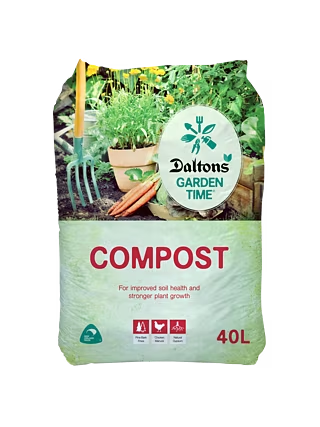
Healthy soil is key for strong growth and fruiting. Improve the soil by mixing in plenty of Garden Time Compost and for an added nutrient boost, Chicken and Sheep Pellets.
Tamarillos can grow 2-3 metres tall, so give them plenty of room. Good airflow around the tree also helps reduce the risk of powdery mildew.

Planting Tamarillos in the Garden
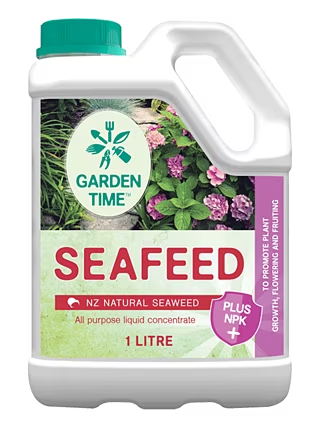
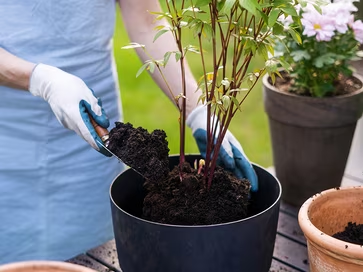
- Soak root ball in Garden Time Seafeed prior to planting
- Dig a hole twice as wide as the root ball, but no deeper
- Place the plant in the hole at the same depth it was growing in its container, then gently backfill with soil
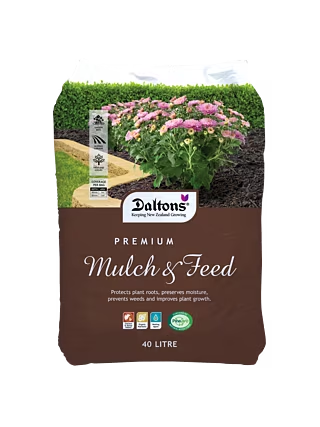
- Water in well and mulch around the base with Daltons Mulch & Feed, leaving a gap around the trunk
- Stake young plants to provide support and prevent wind damage
Growing Tamarillos in Pots and Containers
Tamarillos can also be grown in large pots, making them a good option for smaller gardens or sheltered patios.
- Use a large pot at least 60cm in diameter
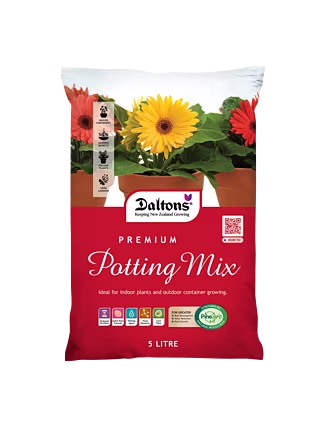
- Always use a quality mix like Daltons Premium Potting Mix and ensure there is adequate drainage
- Place in a warm, sunny, sheltered spot
- Mulch with Daltons Mulch & Feed
- Water more frequently than garden-planted trees
Watering Tamarillos
Tamarillos have shallow roots, so they can dry out quickly during warm weather. Keep the soil evenly moist, especially while fruit is developing, but avoid waterlogging.
- Water more often during dry periods
- Avoid letting the soil dry out completely
- Add Garden Time Seafeed to waterings every 7-10 days for a nutrient boost.
Tamarillo General Care and Maintenance
- Mulch is essential for tamarillos as it helps retain moisture, protects shallow roots, reduces weeds. Apply a generous layer of Daltons Mulch & Feed around the base, keeping clear of the trunk.
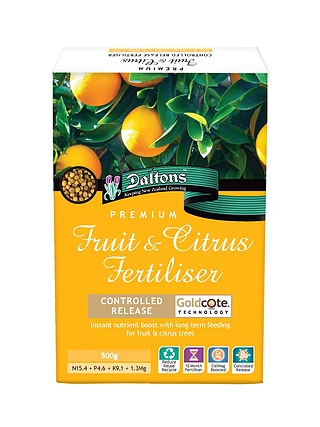
- Feed regularly to support strong growth and fruiting with Daltons Fruit & Citrus Fertiliser.
- Protect from frost and ensure young plants are staked to prevent wind damage
- Prune tamarillos in spring, once the risk of frost has passed. They fruit on new season's growth, so pruning encourages fresh branches and helps keep trees at a manageable size. Remove dead or damaged wood and cut back branches that have fruited. Young trees can also have their growing tips pinched out to encourage a bushier shape.
- Take care when weeding around your tamarillo, as its shallow roots are easily damaged. A good layer of mulch will help keep weeds down.
When and How to Harvest Tamarillos
Tamarillos usually start producing fruit around 18-24 months after planting. In New Zealand, fruit ripens from late autumn through winter, with the main harvest from June to August. In some areas, you may still be picking into spring.
- Fruit will develop full colour (depending on variety, red, orange, or yellow)
- Gently twist ripe fruit from the tree or use clean, sharp scissors or secateurs to cut the stalk without damaging the branches
- Leave the stalks attached to help fruit store for longer
- Harvest regularly to encourage continued production
- Harvested fruit will keep for 2-4 weeks in a cool area and even longer if refrigerated


Common Tamarillo Pests and Diseases
Powdery mildew
- One of the biggest problems for tamarillos in New Zealand. Watch for white, powdery patches on the leaves, which can turn yellow or brown and eventually drop off. Bad infections can seriously weaken trees, affect fruit production and even contribute to tree death.
- Give your tamarillo plenty of space for good airflow and check the leaves regularly, particularly during warm, humid weather. Remove badly affected leaves and dispose of them in the rubbish rather than the compost.
- If powdery mildew appears, treat it early with a suitable fungicide labelled for use on tamarillos.
Tomato Psyllids
- These tiny insects resemble miniature cicadas and have dark bodies with distinctive white markings. Watch for stunted growth, curling or yellowing leaves and small, sugar-like granules on the plant or ground.
- Tomato potato psyllids can also spread a bacterial disease that seriously damages tamarillo trees. Check plants regularly, especially under the leaves, and deal with infestations early.
- Ask your local garden centre for advice on a suitable treatment approved for tamarillos.
Aphids and Whitefly
- These small, sap-sucking insects can cause leaves to curl or yellow. Check underneath leaves and around new growth.
- Small infestations can often be washed off with a firm spray of water.
- For larger infestations, use a suitable treatment approved for tamarillos.
Quick Answers
Plant tamarillos in spring (September to November), once the risk of frost has passed. In warmer regions, you can continue planting into early summer.
White, powdery patches on tamarillo leaves are often a sign of powdery mildew. This fungal disease can cause leaves to yellow, brown and drop off. Treat infections early to prevent serious damage to your tree.
Tamarillos generally start producing fruit around 18–24 months after planting. The main harvest season in New Zealand runs from June to August.
Yes, tamarillos grow well in large pots. Choose a container at least 60cm wide, use a quality growing mix and keep it in a warm, sheltered spot. Water regularly, especially during summer.
Gardening Terms Explained
Soil that allows excess water to drain away, so plant roots don't sit in wet conditions.
A fungal disease that causes white, powdery patches on leaves and can weaken plants if left untreated.
The fresh shoots and branches a plant produces during the current growing season.