How to Control Passionvine Hoppers (Fluffy Bums)
Our garden had a heavy infestation of Passionvine Hoppers (“fluffy bums”) this summer, covering many plants and trees. Spraying hasn’t controlled them. What is the best spray to use, and is there anything that will destroy their eggs over winter?
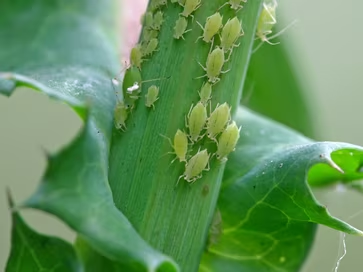
Passionvine hoppers are sap-sucking insects. The “fluffy bums” are the wingless juvenile nymphs, and they can explode in number after hot, dry summers. They also sit on the undersides of leaves and tucked into dense growth, which is one reason spraying can feel ineffective.
Best spray option for home gardens
A good quality horticultural oil is a practical choice because it works by coating/smothering small sap-suckers and needs less “poison power” than many insecticides. The trick is coverage:
Spray thoroughly, including leaf undersides, stems, and sheltered growth
Reapply as the label directs (repeat applications are usually needed with heavy infestations)
Start early when you first notice nymphs - smaller populations are much easier to bring under control
The non-spray step that really helps
Use the garden hose on a firm fine spray to blast plants where hoppers are active:
Aim for reasonable pressure and work methodically around the plant
Hit the undersides of leaves where they shelter
Do it daily for several days to dislodge and disrupt them
This won’t “solve it” in one go, but it can reduce numbers fast when you stick with it.
Can you destroy the eggs in winter?
There’s no guaranteed “one-and-done” winter spray that reliably wipes out passionvine hopper eggs in the average home garden. Your best winter strategy is reducing survival and shelter:
Remove leaf litter, dead plants, dead branches, and messy organic build-up
Thin dense, tangled growth where hoppers shelter
Keep weedy areas tidy around shrubs, vines, and shelter planting
Set your plants up to cope better next summer
Healthy, actively growing plants handle sap-suckers better. Keep soil moisture steady and make sure plants aren’t running on empty - stress tends to make hopper damage look worse.