June Gardening Tasks
Warmer spells followed by cooler snaps have kept plants, and gardeners, on their toes in some parts of the country. With winter now underway, growth naturally slows, so the focus shifts to keeping plants protected and healthy. Time to pop on the gumboots and tackle a few essential jobs.
Sow, Plant and Harvest Veggies
Harvest
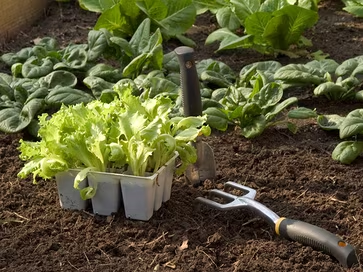
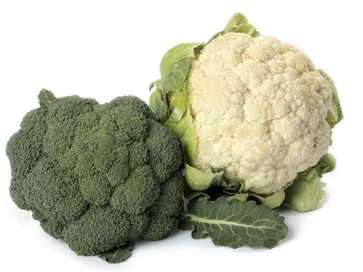
- Keep harvesting vegetables planted in late summer and autumn. Crops ready now may include broccoli, Brussels sprouts, cabbage, cauliflower, carrots, celery, leeks, lettuce, parsnips, radishes, silverbeet, spinach and turnips.
- Pick leafy crops regularly to encourage fresh growth and harvest mature brassicas before they sit too long in cold, wet soil.
Sow/Plant
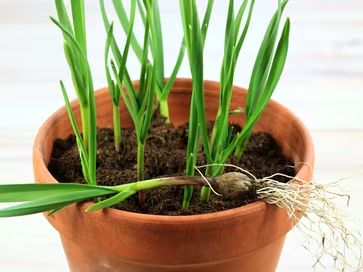
- Where temperatures are warmer and soil is free-draining and not too heavy, plant broad beans, cabbage, cauliflower, lettuce, onions, peas, radish, silverbeet and spinach.
- For heavier soils, keep to raised beds or mounded rows so young plants are not sitting in winter wet.
- Same as any other planting, enrich the soil first with Daltons Garden Time Compost or Daltons Garden Time Enriched Garden Mix.
Maintain
Winter growth is slower, so the aim is to keep plants healthy rather than push too much soft new growth.
- A reminder to add compost around maturing vegetable plants. This helps reduce the impact of winter downpours, smothers emerging weeds, and long-term, improves the fertility of existing soil.
- Keep removing weeds while they are small, especially around onions, garlic and young brassicas.
- Another month of keeping watch for hungry slugs and snails around seedlings, leafy greens and damp garden edges.
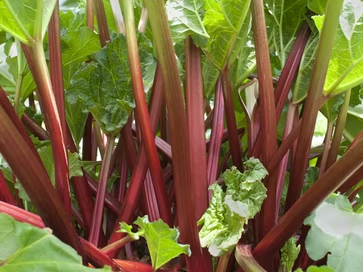
Plant, Divide and Feed Rhubarb
Rhubarb slows down over winter, so it's easier to refresh crowded clumps or plant new crowns before spring.
Planting new crowns
- Choose a sunny, free-draining spot.
- Prepare the soil with Daltons Garden Time Compost and Daltons Garden Time Chicken & Sheep Pellets.
- Plant crowns with the growing bud sitting just above soil level.
- Water in well and mulch lightly, keeping mulch clear of the crown.
Maintaining existing plants
- Lift older, crowded clumps and split into strong sections.
- Keep pieces with healthy roots and at least one growing bud.
- Replant into refreshed soil with compost and Daltons Garden Time Chicken & Sheep Pellets.
- Remove old or damaged leaves.
- Let divided plants settle before picking heavily.


Tidy Berry Canes
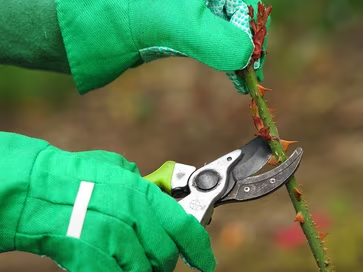
Raspberries, boysenberries and blackberries benefit from a winter sort-out before the new season gets underway.
- Cut out canes that carried fruit last season. These are usually older, woody and darker in colour.
- Keep the strongest new canes for the coming crop.
- Tie selected canes to wires or supports so they are spaced out and easy to manage.
- Remove thin, weak or tangled growth.
- Clear weeds and old leaves from around the base of plants.
- Mulch around the root zone.
Tip: Good spacing makes picking easier and helps air move through the berry patch.
Don’t Leave Empty Beds Bare
If you are not planning on planting in garden beds until spring, cover the soil rather than leaving it exposed through winter. Empty garden beds can lose structure in heavy rain, and weeds are quick to take advantage of bare soil!
- Add a layer of compost or mulch to protect the soil surface.
- Sow a green manure crop such as lupin or mustard in resting beds.
- Dig green crops back in once they reach around 15–20cm high to add organic matter back into the soil.

Protect Plants from Frost and Winter Wet
Cold snaps, heavy rain and soggy soil can be harder on plants than low temperatures alone. A little protection helps reduce stress on young plants, tender crops and exposed containers.
- Keep frost cloth or cloches handy for seedlings, citrus, tender plants and potted colour.
- Repurposed plastic bottles or jars can work as simple cloches for small seedlings. Just remove or lift them during the day so plants do not overheat or trap too much moisture.
- Move pots into sheltered spots before frosts or strong winds arrive.
- Raise containers slightly off cold paving or decks to help water drain freely.
- Empty saucers after rain so roots are not sitting in water.
- Mulch around established plants to help protect roots and reduce winter weeds.
- Keep mulch clear of stems, crowns and trunks to help prevent rot.
- Check stakes and ties on young trees after rough weather.
Make the Most of a Wet Garden Walk
It’s a good month to spot winter problem areas. After heavy rain, pop on your gumboots and take a slow walk around your garden or outdoor area, and note where water sits, where paths become slippery, and which pots or beds are staying too wet.
- Mark boggy lawn or garden bed areas so you can improve drainage later in the year.
- Raise pots slightly off cold, wet paving to help water drain away.
- Check that containers are not sitting in saucers full of water.
- Clear leaves and debris from garden drains, channels and path edges.
- Avoid digging soil when it is waterlogged, as this can damage soil structure.
Care for Camellias, Azaleas and Other Acid-Soil
Loving Plants
- Keep an eye on soil moisture, especially for plants growing under eaves, large trees or dense shrubs where rain may not reach the soil properly.
- Mulch around the root zone to help keep roots cool, conserve moisture and protect shallow roots.
- Avoid digging around these plants, as many acid-loving shrubs have shallow roots that are easily disturbed.
- Feed with Daltons Premium Acid Fertiliser or Garden Time Acid Fertiliser during the growing season, following the pack directions. For established plants, early spring is the key time to start feeding.
- Avoid using lime, as it raises soil pH and can affect plant health.


Prune Fruit Trees and Follow Up with Winter Sprays
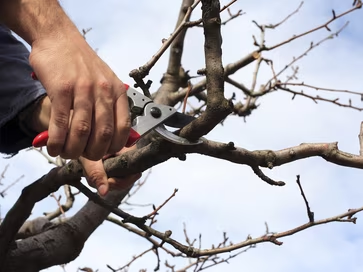
Complete any remaining stone fruit pruning. Time to start apple and pear pruning. These trees produce the very best fruit on two-year-old wood so prune to promote the fruit bearing branches, and maintain the height of fruit trees to for easy access for harvesting. Both apples and pears can grow to a considerable height if not pruned significantly.
After pruning, winter sprays help reduce pest and disease carryover.
Pruning tips
- Use clean, sharp tools.
- Remove dead, damaged, diseased or crossing branches.
- Open the tree so light and air can move through.
- Keep height practical for picking.
- Leave healthy fruiting spurs on apples and pears where possible.
- Remove old fruit, fallen leaves and prunings from around the tree.
Winter spray tips
- Spray on a calm, dry day.
- Apply a copper spray after pruning to help protect against fungal disease.
- Follow with winter oil around a week later to help manage overwintering insect pests such as scale, aphids and mites.
- Do not mix copper and oil sprays together.
- Always follow the directions on the product label.