Treating Grass Grub in Your Lawn
How do I get rid of grass grub in my lawn?
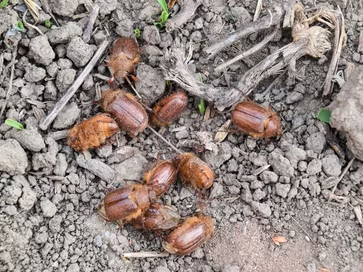
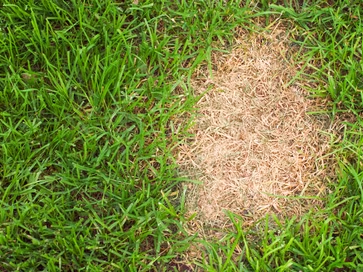
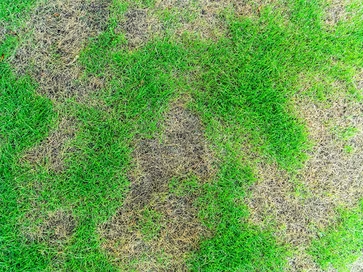
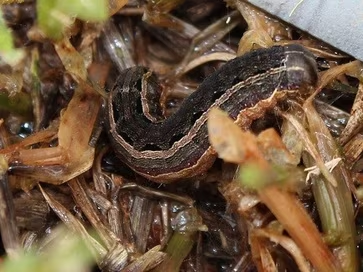
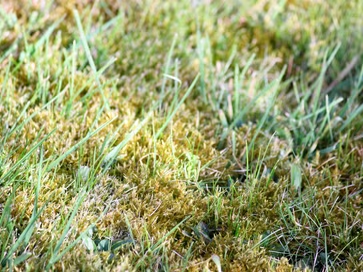
Grass grub is a common pest that causes double trouble in the garden - the larvae (creamy-white, C-shaped grubs with brown heads and three pairs of legs) chew through grassroots in autumn, leading to brown, patchy lawns, while the adult beetles (bronze in colour) emerge in spring and feed on the leaves of trees and shrubs.
May and heading into winter is not the right time to treat your lawn, as the larvae are moving deeper underground and are harder to reach. But it’s the perfect time to plan ahead.
Here’s how to stay on top of them:
- The best time to treat lawns is from late January to early autumn, when young grass grub larvae have recently hatched and are actively feeding near the surface. For most regions, aim for late January to mid-February, as this aligns with peak egg hatch and gives the most effective results. Try Acelepryn, a lawn insecticide that treats a range of lawn pests including grass grub.
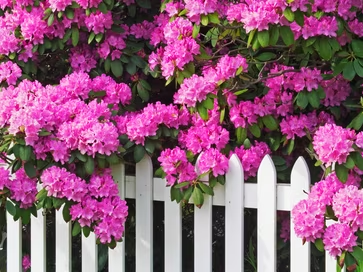
- In spring (October to early December), adult beetles emerge and feed on tree and shrub foliage during warm, still evenings. Use a beetle-specific insecticide on affected plants to reduce feeding damage and help break the lifecycle.
- Take note of which plants are hit hardest by beetles – this can guide future planting choices.
- Pop into your local garden centre for advice on the best timing and products for your region.
With the right timing and a little forward planning, you can protect your lawn and garden from grass grub damage year after year.
Guides
All Gardening Guides
Topic