How To Grow: Hanging Baskets
Hanging baskets can feel a bit old-school, but they’re still one of the simplest ways to add colour and greenery where space is tight. When used well, they suit modern gardens and outdoor living just as easily as traditional ones, offering a flexible way to grow flowers, herbs, leafy greens, and even strawberries without taking up ground space.
They’re ideal for decks, fences, balconies, and small courtyards, and they make great use of vertical space. Keeping plants off the ground also improves airflow and makes watering, maintenance, and harvesting easier.

Selecting the Right Plants
Hanging baskets do best when planted with varieties that enjoy container life and regular watering.
Varieties to try:
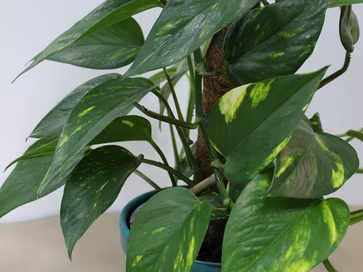
- Flowers: Pansies, petunias, begonias, lobelia, alyssum, sweet peas, fuchsias and more. Mixing upright plants with trailing varieties helps baskets fill out naturally and softens the edges. You can also use some houseplants if growing indoors.
- Herbs: Basil, parsley, thyme, mint, coriander, oregano and creeping rosemary are all good options. Mint is especially well suited to hanging baskets – it’s a great way to keep it contained rather than taking over the garden.
- Leafy greens: Lettuce, rocket and baby spinach grow quickly and are perfect for regular picking close to the kitchen.
- Strawberries: All types.
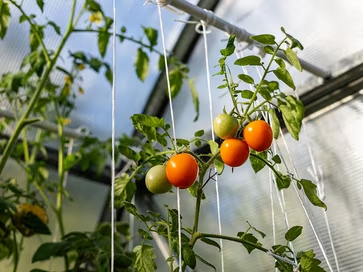
- Tomatoes: Dwarf, compact cherry tomato varieties suited to container growing.
- Succulents and foliage (leaves): Trailing sedum, donkey’s tail, string of pearls, tradescantia, dichondra “Silver Falls”.
Tip: Group plants with similar sun and water needs.
Where to Hang
Hang baskets where they frame the space without getting in the way.
- Decks, fences, balconies, pergolas and sturdy tree branches all work well.
- Make sure baskets are easy to reach for watering, harvesting and maintenance, and positioned where plants get the right amount of sun.
- Hanging baskets can also be grown indoors, particularly in spaces with tiled or easy-clean floors – use drip trays if needed. Kitchens, bathrooms, and entranceways are all great spots to add greenery while making the most of vertical space.
Best Time to Plant
Hanging baskets can be planted at most times of the year, as long as the plants suit the season.
- Spring and early summer are ideal for flowering baskets and edibles, while autumn works well for leafy greens and cooler-season flowers.
- In winter, baskets can still be planted but may need shelter from heavy rain or cold winds.
What you'll need
Basket
The basket you choose plays a big role in how successful your planting will be.
- Larger baskets are always easier to manage, as they hold more potting mix, stay moist for longer, and give roots more room to grow.
- Smaller baskets dry out very quickly and often need watering more than once a day in summer.
- As a general rule, choose the largest basket your space will comfortably allow, especially for mixed plantings or edible crops.
Liners
Liners are just as important. Most hanging baskets use coconut fibre or felt liners, which help hold the potting mix in place while allowing excess water to drain away.
- Before planting, mist the liner with water to soften it. This makes it easier to work with and helps the basket retain moisture once planted.
- Make sure the liner sits snugly inside the basket, with no large gaps where potting mix could fall out.
Potting Mix
Hanging baskets dry out much faster than garden beds, so the potting mix you use really matters.
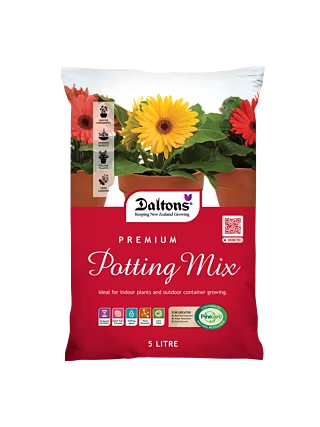
- A quality potting mix designed for containers, such as Daltons Premium Potting Mix, helps retain moisture while still draining freely and provides consistent nutrition to support healthy growth.
- Don’t use garden soil, as it compacts easily and doesn’t drain well in baskets.
Hanging Basket Planting - Step by Step
- Choose the basket: Opt for a larger basket to keep roots cool and improve water retention.
- Prepare the liner: Mist the liner with water to soften it, then place it inside the basket.
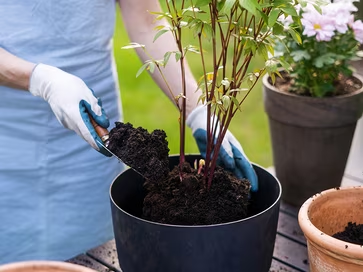
- Add potting mix: Fill the basket with a quality potting mix, leaving room for planting.
- Arrange your plants: Place plants around the sides of the basket by gently poking them through the liner. Add more plants on top for a lush, full effect.
- Water thoroughly: After planting, water the basket to moisten the soil and settle the plants.
- Maintain moisture: Water regularly to keep the soil consistently damp and support healthy growth.
Fertilising
Nutrients wash through hanging baskets more quickly than garden beds, so regular feeding helps keep plants healthy and productive.
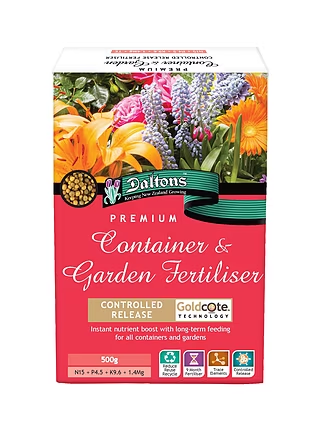
- Feed with a Daltons Premium Container & Garden Fertiliser to give plants a steady supply of nutrients for up to six months.
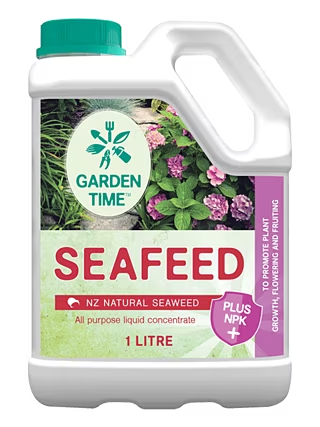
- During peak growing periods, you can also supplement with Daltons Garden Time Seafeed, especially in summer if plants are heat-stressed and need a boost.


Watering
Hanging baskets dry out quickly, particularly in warm or windy conditions. Check baskets daily in summer and water thoroughly whenever the surface feels dry.
- Before planting, mist the basket liner with water to soften it. This makes it easier to work with and helps the basket retain moisture once planted.
- Water slowly so the mix has time to absorb moisture rather than running straight through.
Ongoing Maintenance
- Deadhead spent flowers regularly to encourage continuous flowering and keep baskets tidy.
- Trim back leggy growth, remove dead or damaged foliage.
- Keep an eye on watering and feeding to maintain healthy plants.
- Rotate baskets occasionally for even growth.
- Use drip trays if baskets hang over decking.
- Refresh baskets mid-season by replacing tired plants.