Can Rose Black Spot Spread Through the Soil?
I recently moved one of my roses that wasn’t doing well to a better position in my garden. I noticed black spots on the leaves and am worried that I’m now spreading black spot around my garden. Is there any way to make sure it doesn’t get into the soil for future planting?
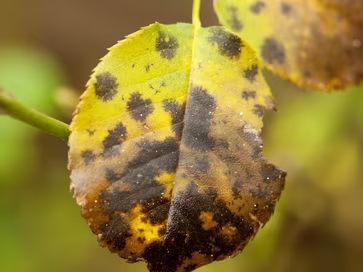
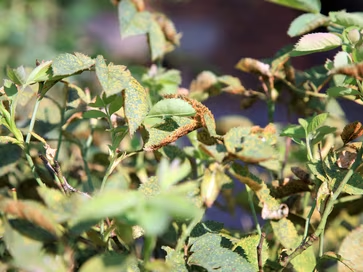
Fortunately, black spot does not infect all garden plants, but it is one of the most common fungal disease of roses. It causes dark spots on the leaves and can lead to yellowing and leaf drop, and can overwinter in infected plant material, so good garden hygiene is important.
Clean up infected material
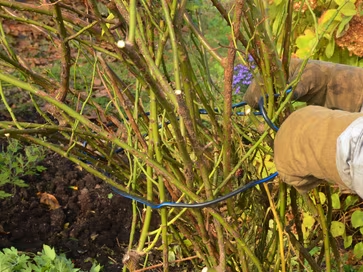
Moving roses during winter, once the leaves have fallen and the bushes have been pruned is the best way to ensure that black spot is not spread throughout the garden.
After pruning, collect and remove all pruned wood and any old leaves remaining around the base of the rose, whether you are shifting the plant or not. This is termed garden hygiene and helps remove infected material that could carry black spot over into the next season.
Treat roses in winter
Winter is also a good time to apply copper oxychloride to your roses as a preventative treatment against black spot later in the season. Always follow the product directions.
While you are checking your roses, look for any signs of scale insects too. If scale is present, apply horticultural oil at the recommended winter strength before the spring buds appear.
Gardening Terms Explained
Black spot: A fungal disease of roses that causes dark spots on the leaves and can lead to yellowing and leaf drop.
Garden hygiene: Removing old leaves, prunings and infected plant material to help reduce pests and diseases carrying over into the next season.
Overwinter: When a pest or disease survives through winter, often in infected plant material, before becoming active again when conditions warm in spring.