February Gardening Tasks
Summer has been challenging, with very wet and unpredictable January weather and fewer long sunny stretches in many parts of the country. Gardens have been slower to ripen, growth has been lush, and fungal disease and pests have been more noticeable than usual.
We’re also very mindful that for some gardeners, this season has been far more than a challenge. With flooding affecting parts of the country, many people are still dealing with damage, clean-up, or uncertainty. Our thoughts are with everyone impacted.
Soil Recovery After a Wet Summer
January rain may have compacted soil, especially in vege beds, paths, and frequently walked areas.
February is a good time to improve soil structure. Healthy soil now makes autumn planting far easier.
- Avoid digging if soil is still sticky.
- Lightly fork compacted areas to reintroduce air.
- Add Garden Time Compost to beds that carried heavy summer crops.
- Mulch bare soil to protect it if drier weather arrives.


Vegetable Garden
Harvests are steady rather than rushed this year. Some heat-loving crops like tomatoes capsicum and peppers may still be catching up after a wet, cloudy start to summer.
What to harvest
- Pick crops regularly to keep plants productive.
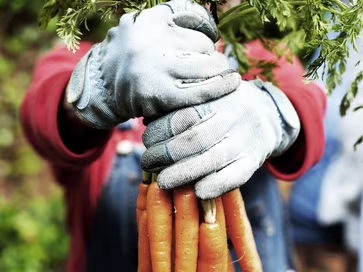
- Harvest beans (dwarf and runner), beetroot, cabbage, carrots, corn, cucumber, eggplant, lettuce, courgettes, melons, onions, parsnips, peppers, potatoes, pumpkin, silver beet, spinach, tomatoes, and radish.
What to plant
- Remove tired or diseased plants completely rather than trying to nurse them through the rest of summer and add quick-return crops like lettuce, radish, spinach, and dwarf beans for late-summer to early-autumn picking.
- Toward the end of the month, start planting winter vegetables such as broccoli, cauliflower, Chinese cabbage, swedes, and parsnips so they establish before cooler nights arrive.
Other tasks
- Thin excess foliage on tomatoes, cucumbers, and pumpkins so light and air can reach fruit.
- Soils are still holding moisture in many gardens. If temperatures rise, water deeply but less often, and avoid watering out of habit.
Blooming Bulbs
With soils staying damp for longer this season, bulb success is more about preparation than planting speed. February is a good time to check what’s already in the ground as well as plan new plantings.
- If bulbs have been growing in wet or poorly drained soil, lift them to check their condition. Discard any that feel soft or show signs of rot.
- Where drainage has been an issue, replant bulbs into containers or raised areas using fresh Daltons Premium Bulb Mix.
Bulbs to plant later this month include anemones, babiana, crocuses, freesias, hyacinths, irises, jonquils, lachenalias, nerines, ranunculi, tulips, and watsonias.
- For new plantings, improve soil structure with compost and Premium Bulb Mix instead of planting directly into wet ground.
- Plant bulbs in small clusters for a more natural spring display.
- Mark planting areas clearly so bulbs aren’t disturbed later in the season.

Rose Care – Clean, Open and Protect
Some roses may have avoided extreme heat stress so far this summer, but they still need some TLC.
- Light summer pruning to open up plants and regular deadheading can encourage a late-season flush as conditions improve.
- Remove dead or diseased leaves promptly - don’t add them to the compost.
- Check mulch levels and top up where needed to keep roots cool and soil moisture even.
- Water deeply at the base of plants rather than overhead to help limit disease.
- Hold off on fertiliser for now; if plants look tired, feed with Garden Time Seafeed instead.
- Take note of which roses struggled with disease or flowering - this is useful when planning pruning and feeding later in the year.
Flower Garden Care
Flower gardens are often at their fullest and sometimes messiest in February. Strong growth earlier in the season can leave plants crowded, floppy, or prone to mildew.
Tasks:
- Remove dead or yellowing leaves and thin congested growth.
- Keep deadheading dahlias, cosmos, zinnias, and similar summer flower to stimulate new blooms.
Planting:
If you have gaps in the garden, late summer planting is still worthwhile if you choose plants that establish quickly. Alyssum, calendula, cosmos, impatiens, marigolds, nemesia, snapdragons, stock, sweet william, violas, and wallflowers can all be planted now.


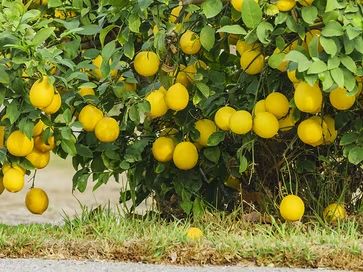
Citrus Care
Give citrus trees a feed while they’re still actively growing and carrying fruit. They’re heavy feeders and need regular applications of a citrus-specific fertiliser.
Take note of the other key times during the year when citrus will benefit from a boost.
- February to mid-April: Feed with Garden Time Fruit & Citrus Fertiliser or Daltons Premium Fruit & Citrus Fertiliser every 4-6 weeks.
- April to September: Do not fertilise during winter.
- October to Christmas: Recommence feeding every 4-6 weeks.
Herbs
Some herbs may have raced ahead and are now flowering or woody.
- Cut back herbs like basil, mint, and oregano to encourage fresh growth.
- Replace tired annual herbs rather than trying to revive them.
- Feed lightly once growth resumes.
Passionfruit Care
Lush growth means passionfruit vines can easily put energy into leaves instead of fruit.
- Lift and untangle vines so fruit isn’t sitting in damp foliage or against fences.
- Thin out non-productive growth so energy goes into ripening fruit.
- Check for pests hiding in dense foliage.
- Check fruit regularly and collet when ready.
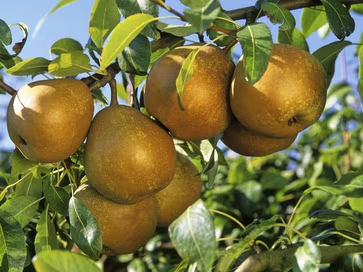
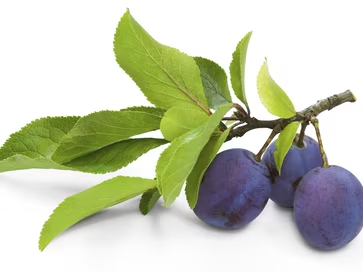
Harvest Pip and Stone Fruit – Steady Picking
- Pick fruit as it matures rather than waiting for a single harvest.
- Continue watering trees as consistent moisture supports fruit size and quality.
- Remove damaged or split fruit as soon as it appears to reduce wasps, birds, and disease.
- Keep grass and weeds away from tree trunks and add a layer of mulch to reduce competition for moisture and nutrients.


Late-Summer Pest and Disease Watchlist
Inconsistent temperatures and lingering moisture create ideal conditions for pests and disease at this time of year.
Keep an eye out for:
- Powdery mildew on zucchini, pumpkins, roses and peas
- Leaf spot on tomatoes
- Black spot and rust on roses
- Aphids, whiteflies, slugs and snails
Early action is more effective than heavy treatment - monitor plants regularly so problems don’t escalate. Read our Q&A’s on how to treat them.
Check the Lawn Before You Act
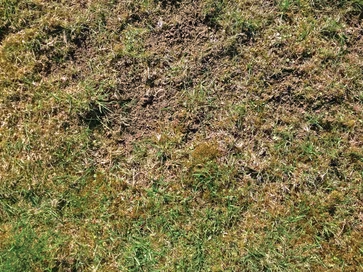
- If grass growth has stalled, hold off on watering until soil begins to dry - many lawns are still carrying moisture from January rain.
- Check for compaction, especially in high-traffic areas. If water is pooling or running off, note those spots for autumn aeration rather than tackling them now.
- Adjust mowing frequency rather than cutting shorter. Letting grass sit a little higher protects roots and helps lawns cope if temperatures lift this month.