Why Aren’t My Espaliered Fruit Trees Fruiting?
We’ve espaliered a couple of fruit trees, but we aren’t getting much fruit. How can we improve fruiting?
Espaliering is an excellent way to grow fruit trees where garden space is limited, but the first few years of training and pruning are important for establishing a productive tree.
Encourage fruiting wood
The main branches, or leaders, are trained horizontally along a fence or strong wires. It is the smaller growth that develops from these main branches that will eventually carry the fruit.
With apples and pears, pruning should encourage the development of short fruiting spurs. These are small clusters of growth along the main branches where flowers and fruit form. Thin out crowded or unwanted growth and regularly shorten suitable side shoots to help maintain productive fruiting wood.
Other types of fruit trees can produce fruit on different-aged wood, so pruning needs to suit the particular type of tree you are growing.
If your espaliered trees are still young, don't be too concerned if cropping is light. During the first few years, much of the tree’s energy goes into establishing its framework and healthy growth.
Feed and water for healthy growth
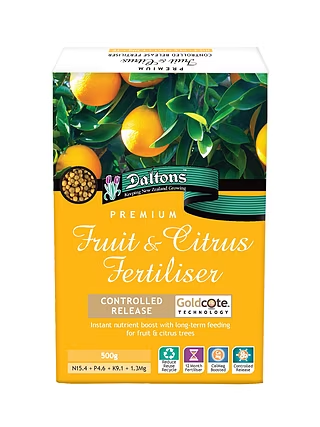
Feed your trees with Daltons Premium Fruit & Citrus Fertiliser in early spring as growth begins, then again around six weeks later. Always follow the application rates on the pack and water well after feeding.
During dry summer weather, water deeply as required so the trees maintain strong, consistent growth. Young and newly established trees will need particular attention while their root systems develop.
Gardening Terms Explained
Fruiting spur: A short section of growth that produces flowers and fruit. Fruiting spurs are particularly important on espaliered apples and pears.