Starting a Vegetable Garden
Which type of garden is best for planting veggies/herbs e.g raised or flat garden and how do you layer the soil?
Establishing a new veggie garden is always an exciting prospect!
A good site is crucial
Where you put your garden really matters. Veggies and herbs need full sun, at least 6 hours a day during the growing season, to grow well and produce good harvests. The spot should also be sheltered from strong southerlies or cold winds and have free-draining soil to avoid waterlogging.
Raised beds make gardening easier
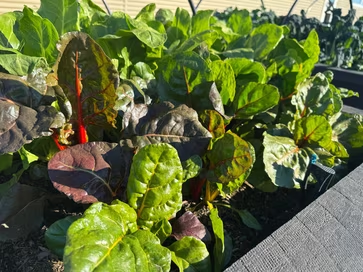
Raised beds are a great choice. They’re easier to work in, help with drainage, and make it simple to build up good soil.
- Aim for around 300mm high using timber, bricks or corrugated iron.
- Fill with a mix of Daltons Garden Time Compost and your existing soil, blended well to create a healthy base for planting.
- You can also get Daltons Premium Garden Mix in bulk at your local Daltons Landscape Supplies Yards.
What to use in planter boxes
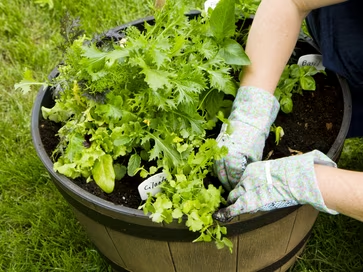
For bigger planter boxes or deeper beds, use Daltons Garden Time Vegetable Mix or Planting Mix, combined with compost to lift nutrient levels and support strong, steady growth.
Feed and mulch to support your plants
Keep your garden growing with side dressings of Daltons Garden Time Vegetable Fertiliser through the season. In summer, add a layer of mulch to help the soil hold moisture and reduce weeds. Explore our range of bagged mulch and bark products.
Build better soil between crops
At the end of the season, plant a green manure crop like mustard. It’s easy to grow and helps restore nutrients and structure. Dig it into the soil in late winter and your garden will be ready for spring planting.