Rebuilding Your Garden After a Flood


Rebuilding Your Garden After a Flood
Flooding can be devastating, affecting homes, routines and wellbeing - not just gardens. With TLC and time, you can restore the beauty and functionality of your garden. When you are ready, take it slow and be patient with your garden (and yourself) as it recovers.
Here are some tips to help:
Assess the damage
The first step is to remove all debris, including dead plants, mud, and any other flood-damaged items. This will give you a better idea of the extent of the damage and make it easier to determine what needs to be done. Remember to wear rubber boots and gloves if dealing with floodwater.
Inspect garden structures for safety
Flooding can damage garden structures like raised planters, retaining walls etc. Inspect these for structural integrity and arrange to or make any repairs. Where necessary ask an expert to provide advice.
Clean your plants
It may feel counterproductive but wash plants and their foliage (leaves) that are covered with mud. This gives the plant a chance to recover and start photosynthesising again.
Harvesting
Floodwaters can contain nasties such as E.coli, so do not harvest any edible crops (beans, tomatoes, lettuce etc) that have been sitting in the water. If you have fruit on damaged branches and they have not been exposed to flood water, harvest them as quickly as possible.
Soil care
Floods can wash away topsoil and damage the soil structure, which can affect plant growth. In some cases, soil will be waterlogged – in healthy soil there are airspaces for roots and important living organisms to ‘breathe’. With flooding, these spaces fill up with water and limit oxygen available for plants and their roots, and microorganisms.
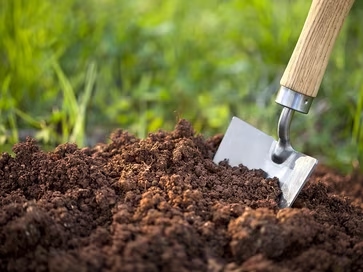
You can restore and repair the soil structure by mixing in plenty of organic matter like compost into your existing soil. This improves soil structure, opening it up and aerating it (adding oxygen), and improving soil drainage. Compost also adds nutrients and provides food for vital soil microorganisms.
Wait for the soil to drain
Before replanting, wait for the soil to drain. Waterlogged soil can harm new plant roots and prevent them from properly establishing. Prepare soil first before planting (see soil care above).
Salvage plants where you can
Your plants will be stressed so be gentle with them. Observe them very closely. Some species will rebound quite quickly, others will take longer and unfortunately, some will die. DO NOT add fertiliser at this time as the plants will not absorb the nutrients.
Prune damaged foliage (leaves), plants, and trees
Prune stems or branches down to the next viable shoot or bud to promote vigorous new growth. Don’t cut back too hard as your plant is already under stress – take a lighter approach and if in doubt, just remove the minimum.
Replenish mulch
Add fresh mulch around your plants and garden. Mulch helps protect soil, prevents erosion, and adds nutrients as it breaks down. In future downpours, it also absorbs excess water and releases it back into the soil at a slower rate. Explore our range of bagged mulch and bark products.
Water your plants
Where drainage occurs very rapidly, the soil will often become compacted. Light and regular watering helps prevent rapid compaction. Light watering of the plant's foliage (leaves) is also beneficial, as uptake of water through the plant's root system is limited while the plant heals.
Watch for pests and diseases
Floods can increase the risk of pests and diseases by providing the perfect environment for them to flourish - especially in humid conditions in particular areas. Be vigilant and take action if you see any signs of infection.
Treat powdery mildew with a homemade solution of baking soda, water, and a squirt of dishwashing liquid. Prevent rust and other fungus diseases and tackle pests by spraying with neem oil.
Ask for help
If you are feeling overwhelmed, ask for help. Draw on resources or networks available in your community – together you could establish working bees where groups help each other work on one garden at a time in your neighbourhood.
Future-proofing
Where possible, improve drainage in your garden to reduce the impact of future flooding. This includes redirecting water away from low-lying areas, digging drainage ditches, and collecting excess water in rain barrels. When installing additional drainage, ensure there is somewhere for the water to go e.g. not just into other parts of the garden or into a neighbouring property.
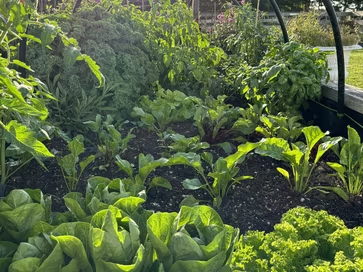
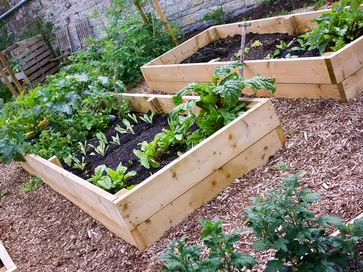
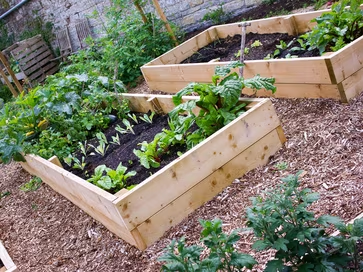
Think about alternative ways to grow your vegetables or ornamental plants if your garden is prone to flooding. You can raise gardens above soil level such as large planters (especially vegetable gardens), grow in containers, grow vertically, or even in hanging baskets. Use a good container mix to ensure your plant has everything it needs.