Cabbage Butterfly Control, Compost Tips, and Seaweed Feeding for Winter Gardens
How do I get rid of cabbage white butterflies so they don’t eat my garden, and what nutrients should I be feeding my plants? Can I use seaweed from the ocean and compost, and what’s a cheap solution?
There’s a lot packed into this question, from stopping cabbage butterflies to feeding your garden naturally on a budget. Here’s what to do.
Stop cabbage white butterflies before they lay eggs
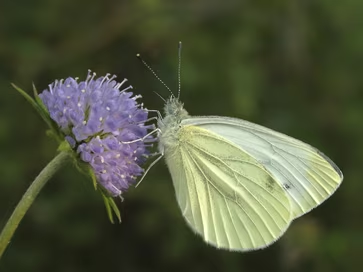
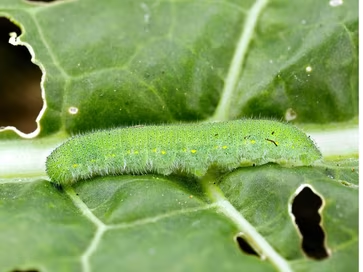
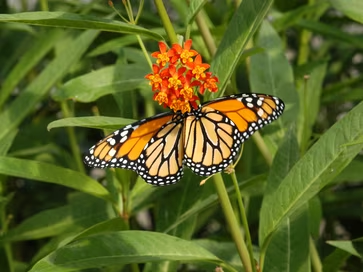
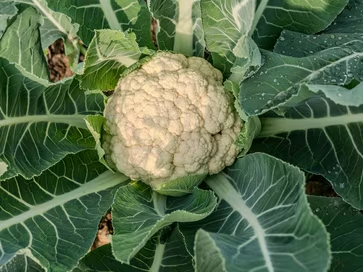
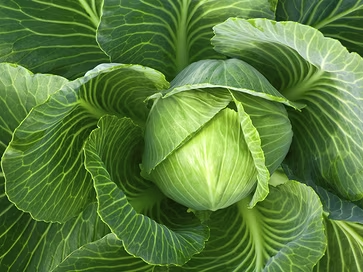
The white butterflies you see fluttering around the veggie patch lay eggs that hatch into leaf-munching caterpillars. To prevent damage, the key is keeping the butterflies off your crops in the first place. Use a fine mesh or netting to create a physical barrier over your cabbages and other brassicas. Make sure it allows enough light through while blocking the butterflies.
You can also plant companion flowers like marigolds nearby, which are known to discourage white butterflies.
Check plants regularly for caterpillars
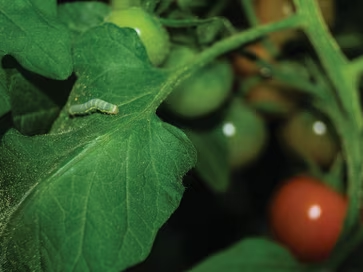
Even with mesh in place, it’s important to check your plants often. Look for caterpillars or eggs and remove them by hand. A strong spray of water from the hose can also help dislodge them.
Feed your soil before planting new crops
In winter, nutrient uptake slows, so it’s not about heavy feeding, it’s about soil preparation. Before planting a new crop, dig in fresh compost and apply a balanced fertiliser. This gives your plants the nutrients they’ll need to get going once growth picks up.
A low-cost compost solution using autumn leaves
If you’re after a budget-friendly way to build up your soil, take advantage of all the fallen leaves from deciduous trees at this time of year. Spread them around mature trees and shrubs as mulch or add them to your compost bin. You can also store excess leaves in black plastic bags - by spring, they’ll have broken down into leaf mould, which is fantastic for improving soil when planting.
Alternatively, bagged compost is actually pretty cost effective from your local garden centre.
Using Straight Seaweed
Seaweed has been used in home gardens for generations. It’s a great source of natural trace elements and minerals. If it’s coated in salt, give it a quick rinse before using. You can dig it straight into the soil or chop it up into smaller pieces. It’s also excellent in compost bins, helping to speed up the breakdown of other materials.
Easy seaweed fertilising with Daltons products
For a simple and effective option, try Daltons Garden Time Seafeed or Daltons NZ Natural Seaweed. These ready-to-use liquid fertilisers are packed with nutrients and can be applied every 7–10 days. They’re particularly good during cooler months when plants need gentle support and are ideal for leafy greens and young seedlings.